中文简体
中文简体



An energy saving injection molding machine is a molding machine that consumes less electricity per part by using servo-driven pumps, all-electric drive systems, variable-frequency motors, or low-loss heating. If you are running a fixed-speed hydraulic machine today, upgrading to a servo-driven or all-electric injection molding machine will typically cut electricity use by 30–70%, and in a two-shift operation, the added investment often pays back within 18–36 months.
A 200-ton hydraulic machine with a fixed-displacement pump draws full motor power during idle phases, cooling, and even gate delays. A servo pump system adjusts motor speed to flow demand, so no-load power drops from around 30–40% of full power to under 10%. This one change is the reason “energy saving injection molding machine” has become a specification, not a slogan.
Why Energy Efficiency Matters in Injection Molding
Energy accounts for roughly 3–10% of the cost of a molded part, so a more efficient injection molding machine directly improves margin, especially in continuous production. Electricity is no longer a fixed overhead that you ignore; it is a variable cost linked to every shot.
- Lower kWh per kg reduces part cost without changing resin or cycle time.
- Lower cooling load means smaller chillers and cooling towers.
- Reduced heat generation improves hydraulic oil and seal life.
- Energy-efficient machines support green procurement and sustainability reporting.
Core Technologies That Reduce Energy Consumption
Four main technologies produce measurable savings on an energy saving injection molding machine: servo-driven hydraulic pumps, all-electric actuation, variable-frequency drives for auxiliary machines, and insulated heating systems.
- Servo-driven hydraulic pumps supply oil flow only when the machine demands it. For typical cycles, this lowers total energy use by 30–60% compared with a fixed displacement pump.
- All-electric injection units use servomotors for plasticizing, injection, and clamping. They eliminate hydraulic dead-head losses and achieve 25–70% savings while improving shot repeatability.
- Variable-frequency drives on pump motors, fans, and conveyors match motor speed to demand, reducing unnecessary power consumption.
- Insulated heater bands and ceramic heaters reduce thermal loss from the barrel, cutting heating energy by 10–30%.
Electric vs. Servo-Hydraulic vs. Conventional Hydraulic Machines
All-electric machines provide the best overall energy efficiency and repeatability, while servo-hydraulic machines offer the most balanced choice for high-tonnage and insert molding where oil power is still practical.
| Feature | Conventional Hydraulic | Servo-Hydraulic | All-Electric |
|---|---|---|---|
| Energy use vs. baseline | Baseline | 40–60% lower | 50–70% lower |
| Repeatability | Good | Better | Best |
| Maintenance | High | Moderate | Low |
| Initial investment | Lowest | Medium | Highest |
| Best suited for | Simple, large parts | General molding, insert molding | Precision, thin-wall, cleanroom |
The exact percentages depend on cycle time, part weight, and resin; use a kWh per kg figure from the supplier for your specific product family.
Why Vertical Energy-Saving Injection Molding Machines Earn Their Keep
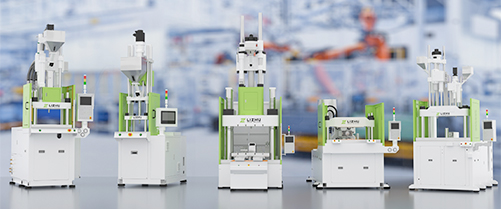
Vertical energy-saving injection molding machines bring the same servo and electric efficiency to insert molding, overmolding, and compact automation cells, without the space penalty of horizontal machines. Since the clamp moves vertically, gravity does part of the work for deep inserts, and operators can access the mold more easily, cutting load/unload time and idle energy.
Manufacturers of vertical machines now offer servo-hydraulic and all-electric models with energy performance comparable to horizontal machines. As explained in our detailed look at why you should choose a vertical injection molding machine, vertical layouts also save floor space and make it easier to integrate robots. The result is a lower total energy cost per finished part.
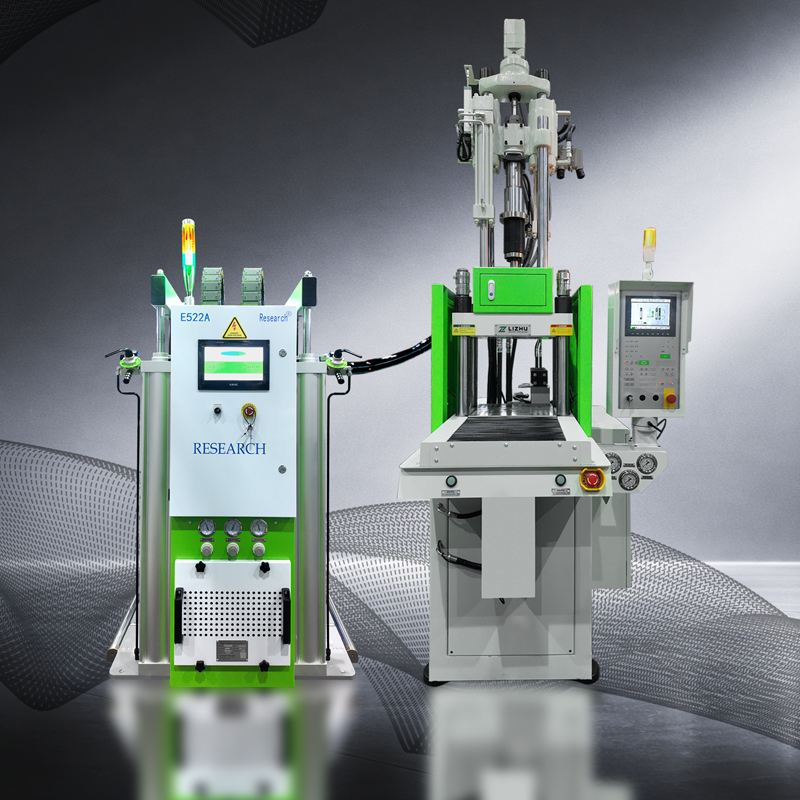
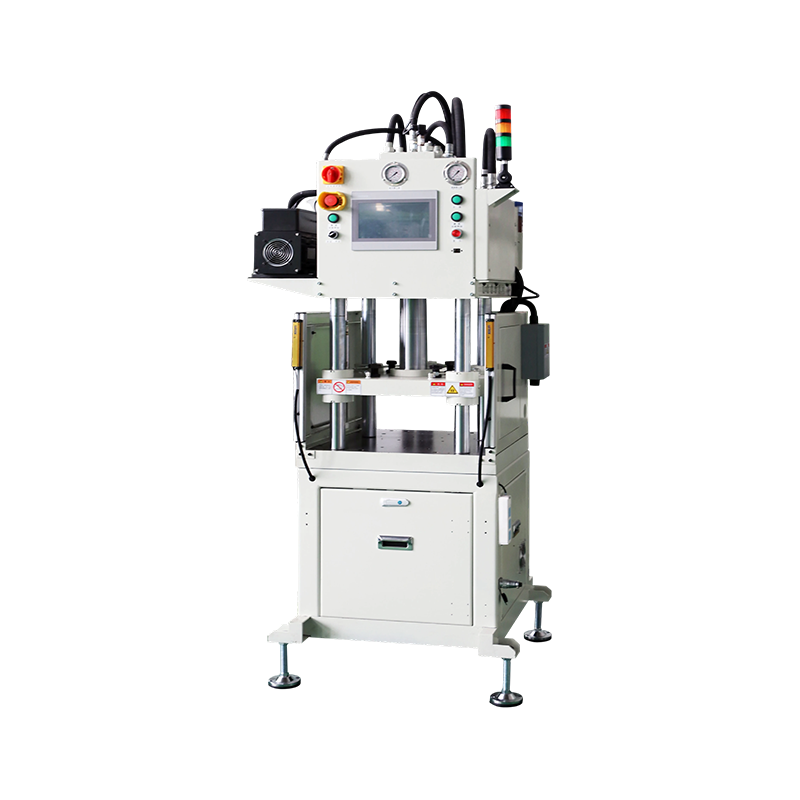
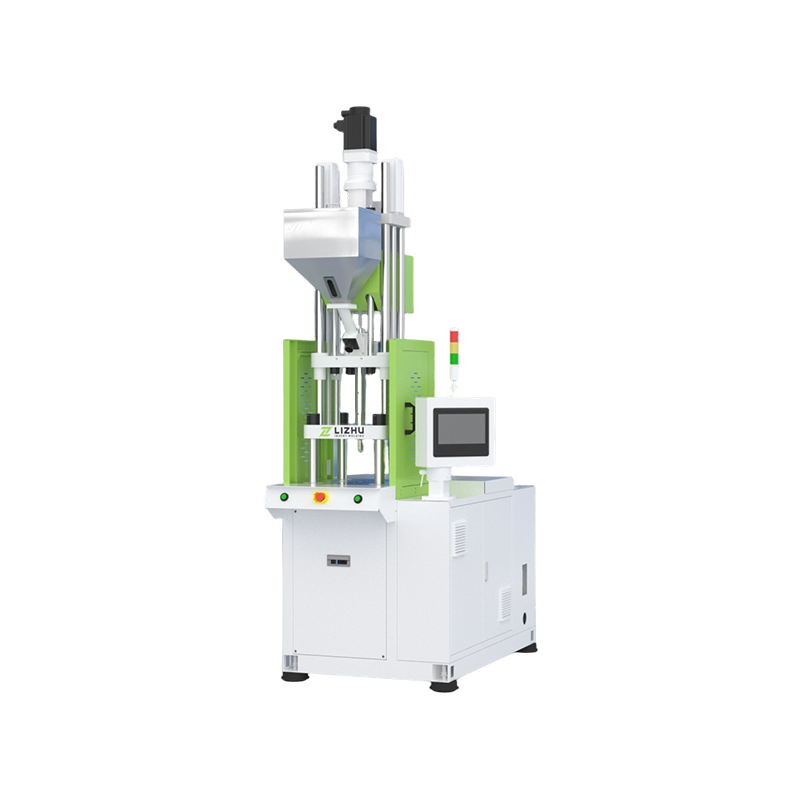 Electric Vertical Injection Molding Machine for Precision Insert MoldingThis all-electric vertical machine offers servo-driven precision, low energy use, and high-speed injection up to 500mm/s. Ideal for thin-wall connectors and dust-free production, with clamping force from 40T to 160T.View Product →
How to Choose an Energy Saving Injection Molding Machine
Choose an energy saving injection molding machine by comparing specific energy consumption under real cycle conditions, not the motor nameplate rating or price alone. A machine that is efficient at 20-second cycles may not be the most efficient at 60-second insert molding cycles.
- Ask for kWh per kg at your typical clamp force and cycle time.
- Check whether the servo pump includes a small fixed pump for standby and holding pressure, which improves low-demand stability.
- Compare all-electric and servo-hydraulic versions of the same clamp tonnage for the molds you plan to run.
- Include auxiliary power consumption: chillers, dryers, conveyors, and hot runners often consume as much as the machine.
- Consider payback: divide the energy saving per year by the price premium; two-shift operations usually make sense.
- Check automation compatibility because a robot can shorten cycles and reduce energy per part.
For a practical start, our FAQ page covers common specification questions for vertical machines and servo hydraulic systems.
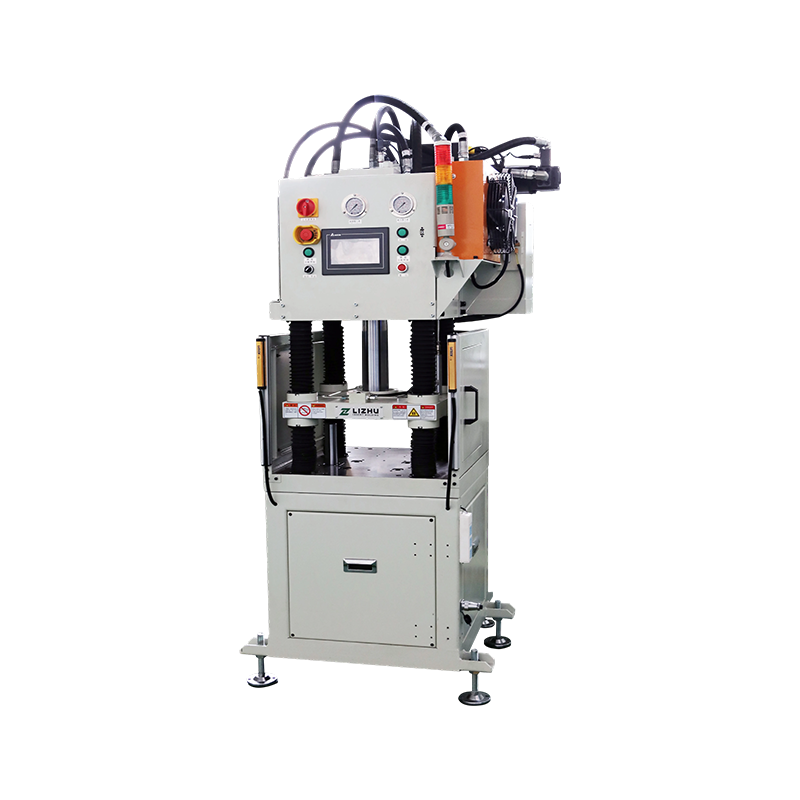
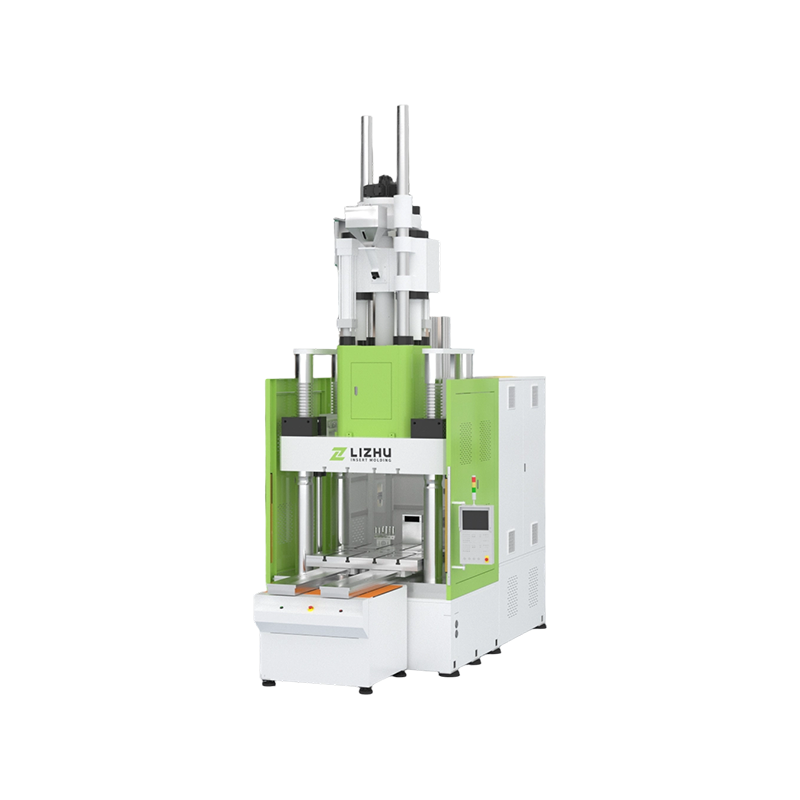
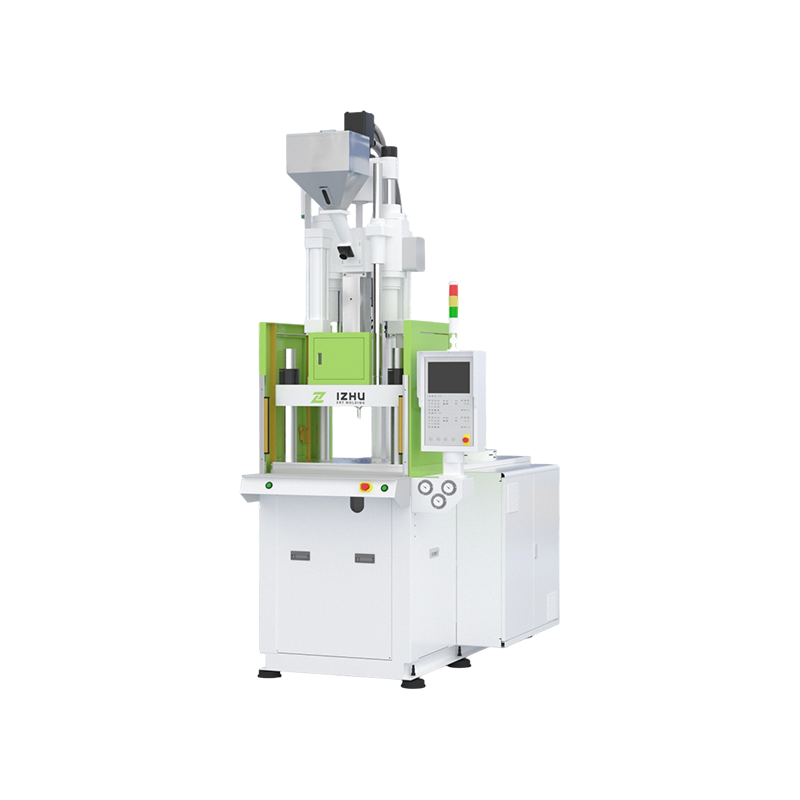 Standard Vertical Injection Molding Machine for Insert MoldingA vertical clamping and injection design that saves floor space and supports manual or robotic insert placement. Suitable for insert molding and encapsulation, with options for electric or high-speed injection units.View Product →
Real-World Applications and Payback
In automotive connector, 3C casing, and medical part production, energy saving injection molding machines typically pay back their price premium within 1–3 years through lower power bills and fewer rejects.
Consider connector insert molding with a sliding table: the sliding platen exposes half the mold while the other half cycles. A servo-driven pump reduces energy during loading, and the vertical clamp height keeps inserts stable, lowering cycle time. Over two shifts, the savings accumulate quickly.
- Automotive interiors: servo-hydraulic vertical presses handle large inserts with controlled clamping force and lower energy consumption.
- 3C electronics: all-electric vertical machines give the clean, stable shots needed for thin housings and precise micro features.
- Medical devices: electric drives eliminate oil leakage risk and reduce cleanroom cooling load.
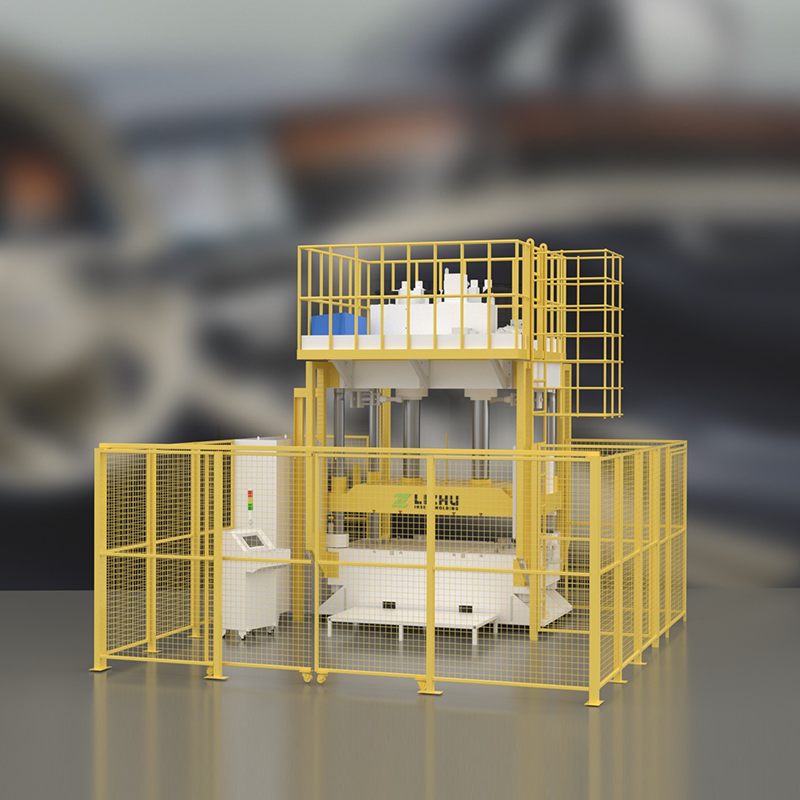
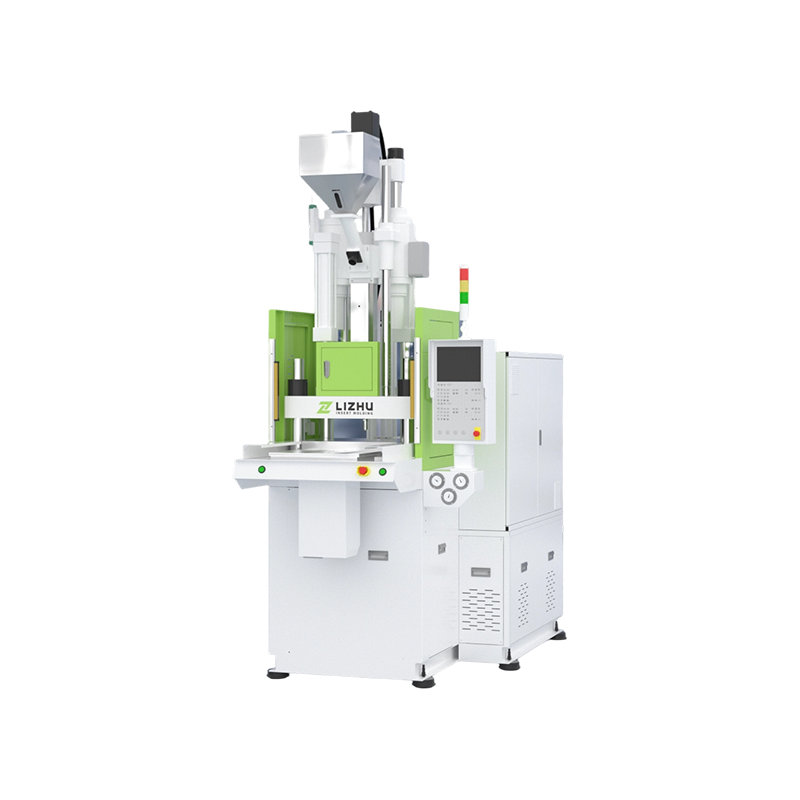 Single Sliding Table Vertical Injection Molding MachineA compact vertical machine with a fixed-slide lower mold that slides out for easy part removal and insert loading. Its simple structure reduces maintenance costs while fitting space-constrained production lines.View Product →
FAQ: Energy Saving Injection Molding Machines
The short answer to most buyer questions: a modern servo-hydraulic or all-electric machine can cut energy use by 25–50% over conventional hydraulic equipment.
How much energy does an energy saving injection molding machine save?
Compared with a fixed-speed hydraulic machine, a servo-driven hydraulic machine saves about 30–60% in typical cycles; an all-electric machine saves 50–70% for precision parts with long dwell or holding phases.
Is an all-electric machine always the best choice?
No. For very high clamp tonnage, large insert parts, or deep-draw forming, servo-hydraulic machines often deliver similar energy performance at a lower price and with better force profile control.
Do vertical injection molding machines use more energy than horizontal machines?
Not inherently. The energy difference depends on pump and drive technology, not the machine orientation. Modern vertical machines with servo motors are as efficient as horizontal equivalents and may save additional energy through faster insert handling.
What is the typical payback period?
For a machine running at least two shifts, the premium for a servo or all-electric drive is usually recovered in 1–3 years from energy savings, lower cooling costs, and reduced scrap.
An energy saving injection molding machine is not an expensive luxury; it is a measurable cost-reduction tool. Start by tracking kWh per part on your current floor, then set a target for the next press purchase. The available data from servo-hydraulic and electric vertical machines shows that efficient technology can cut power use by half in most shops.