 中文简体
中文简体
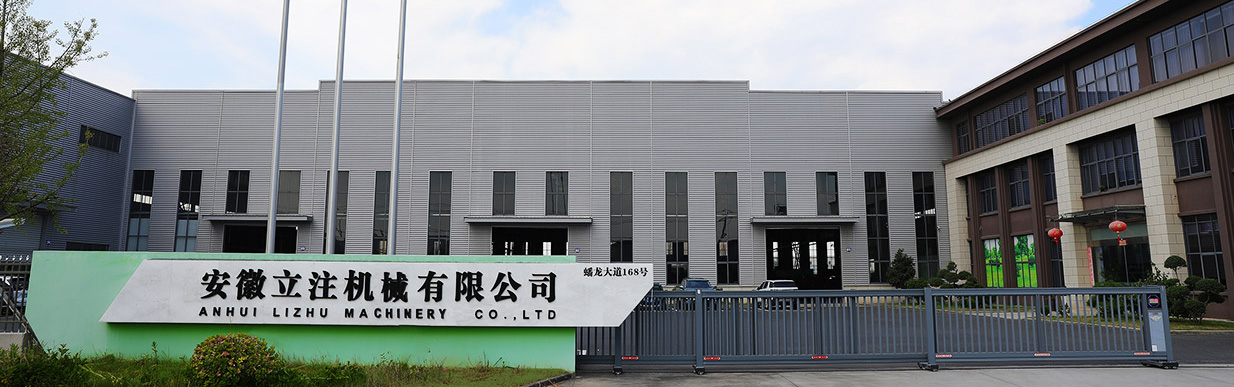
LIZHU Machinery Co., Ltd. was founded in 2011, is a leading company in high-speed precision injection molding...
View More
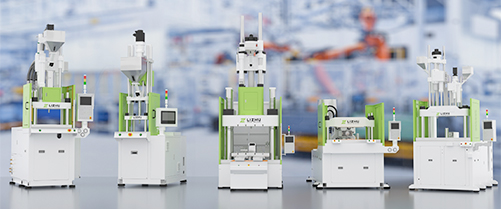
At present, we have various models of standard machines, skateboard machines, disc machines, and multi-color machines under 2000 tons.
View More
Check out the latest from the injection molding machine about the topics relevant to your industry and manufacturing process.
View More

Industry News
Home / News / Industry News / Why Should You Choose a Vertical Injection Molding Machine for Your Production?
 Home / News / Industry News / Why Should You Choose a Vertical Injection Molding Machine for Your Production?
 Why Should You Choose a Vertical Injection Molding Machine for Your Production?
2026-02-11
Introduction to Vertical Injection Molding Machines
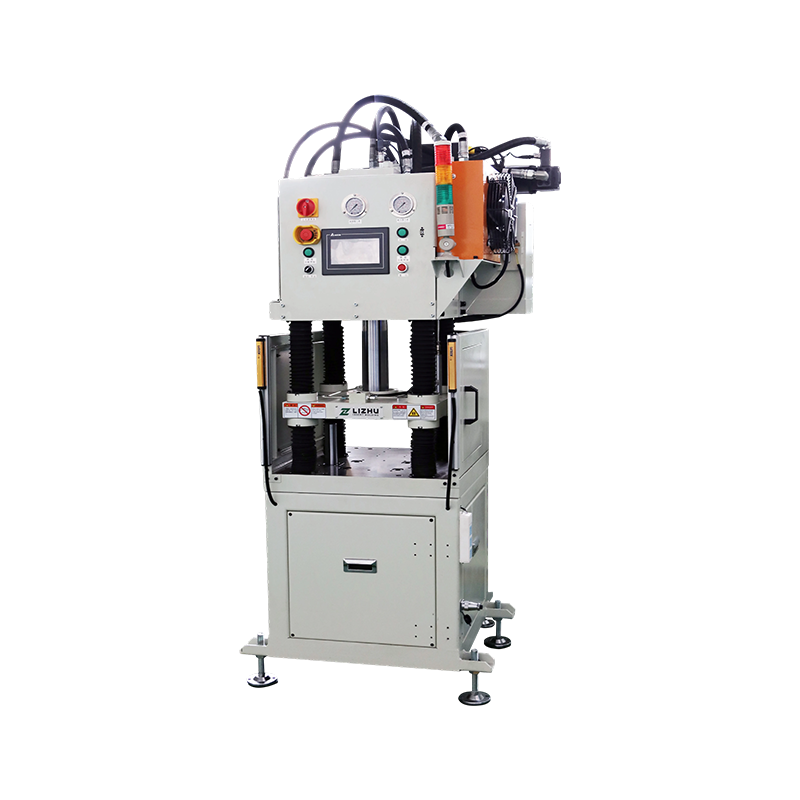
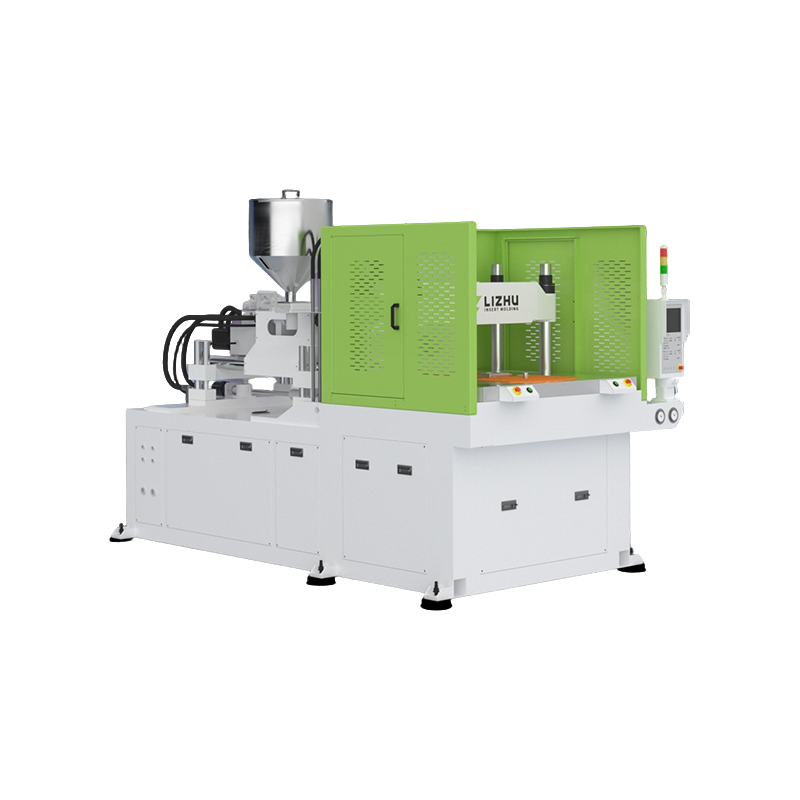
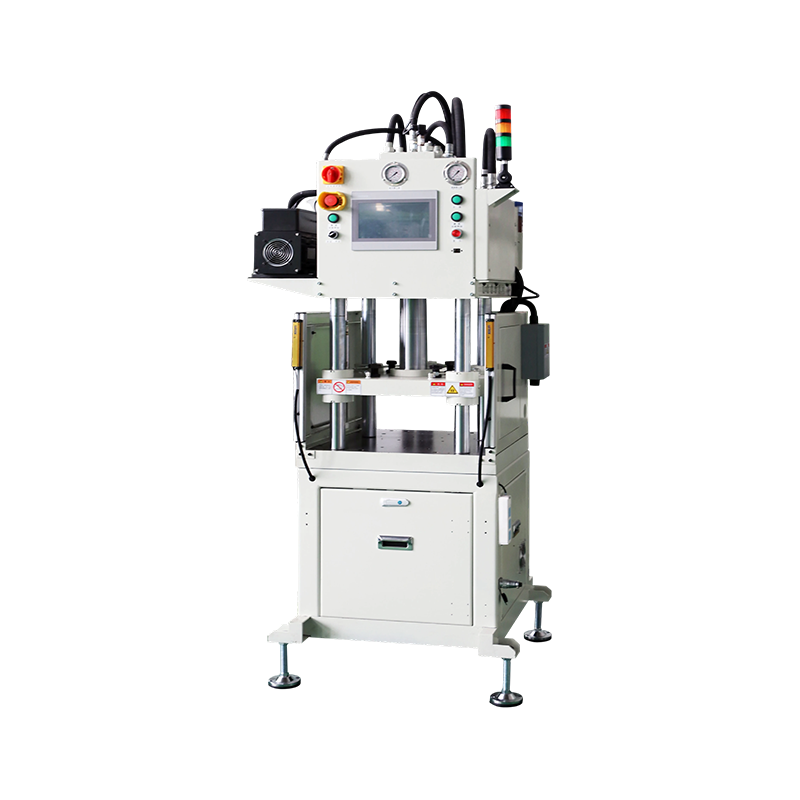
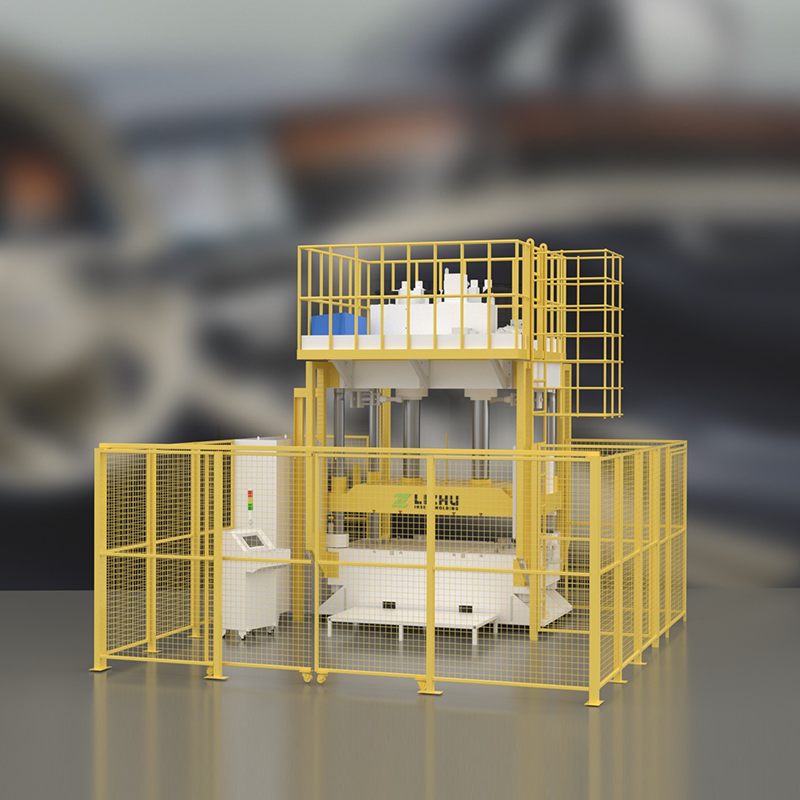
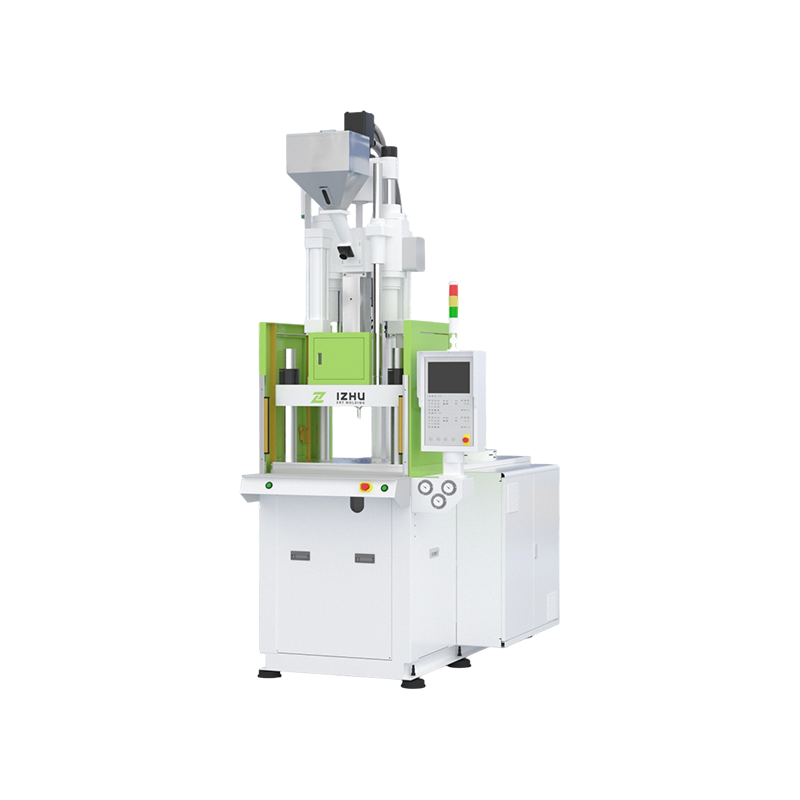
A vertical injection molding machine is an advanced manufacturing tool used to create plastic components by injecting molten plastic into molds under high pressure. Unlike horizontal machines, these machines feature a vertical orientation for both the injection and clamping processes. This configuration allows manufacturers to save floor space, improve precision, and achieve greater energy efficiency. These machines are particularly useful for industries requiring small, intricate parts, multi-material components, and those that need insert molding capabilities.
These machines are commonly employed in the automotive, electronics, medical device, and consumer goods industries. Over the years, vertical injection molding machines have become an essential tool for improving the efficiency and precision of the manufacturing process, enabling companies to produce complex and high-quality components.
Working Principle of Vertical Injection Molding Machines
The operational principle of a vertical injection molding machine is straightforward yet efficient. Here's how it works:
- The mold is placed in a vertical position.
- Molten plastic is injected into the mold cavity under high pressure. The vertical clamping mechanism ensures that the mold remains securely closed during the process.
- Once the molten plastic cools and solidifies, the part is ejected from the mold.
This process is particularly suitable for producing small, high-precision parts, such as connectors, housings, and other intricate components that require high tolerances.
Key Benefits of Vertical Injection Molding Machines
Vertical injection molding machines offer numerous advantages over their horizontal counterparts. These benefits can significantly impact both production costs and product quality. Some of the major advantages include:
- Space Efficiency: Vertical machines are more compact and take up less floor space compared to horizontal machines. This is especially important for small factories or those with limited space. The vertical design allows for stacking or positioning machines in tight spaces without sacrificing efficiency.
- Precision and Accuracy: The vertical orientation of the machine provides greater control over the molding process, which is crucial for producing parts with tight tolerances. This makes vertical injection molding machines ideal for producing small, high-precision components.
- Multi-material and Insert Molding Capabilities: One of the most significant advantages of vertical machines is their ability to perform insert molding. This process allows plastic to be molded around metal inserts or other materials, which is especially beneficial for industries like automotive and electronics.
- Lower Tooling and Production Costs: Vertical machines tend to have lower tooling costs due to their smaller size and reduced material waste. These machines are ideal for low and medium-volume production runs, where reducing tooling costs can significantly impact the bottom line.
- Energy Efficiency: Because of their compact size and efficient material flow, vertical injection molding machines consume less energy compared to larger horizontal machines. This can lead to significant cost savings over time, especially for manufacturers with high production volumes.
Applications of Vertical Injection Molding Machines
Vertical injection molding machines are used in various industries, each benefiting from the unique capabilities of these machines. Some of the key applications include:
- Automotive Industry: The automotive sector is one of the largest users of vertical injection molding machines. These machines are used to produce parts such as connectors, clips, seals, and custom components that require precision and insert molding. Vertical machines are ideal for producing high-strength components that need to be integrated with metal parts or other materials.
- Electronics Industry: Vertical injection molding machines are commonly used to create small, intricate components for the electronics industry. These parts include connectors, housings, and enclosures that require high precision and tight tolerances. The ability to mold around metal inserts also makes them a valuable tool for the production of electronic connectors and devices.
- Medical Device Manufacturing: In the medical field, precision is key. Vertical injection molding machines are used to produce small, precise parts like syringes, catheters, and housings for medical instruments. The ability to incorporate metal parts or create multi-material components is essential for many medical devices.
- Consumer Goods: Vertical machines are also widely used in the production of small plastic parts for consumer goods such as household appliances, toys, and gadgets. The ability to produce high-quality, small, intricate parts efficiently makes vertical injection molding machines an ideal choice for consumer goods manufacturers.
Vertical vs. Horizontal Injection Molding Machines
Choosing between a vertical and a horizontal injection molding machine can depend on a variety of factors such as part size, material, and production volume. Below is a detailed comparison of these two types of machines:
| Feature | Vertical Injection Molding Machine | Horizontal Injection Molding Machine |
| Machine Size | Compact, ideal for smaller production spaces. | Larger, requires more floor space. |
| Injection and Clamping | Injection and clamping are vertically aligned, suitable for insert molding. | Injection and clamping are horizontally aligned, best for larger parts. |
| Production Speed | Faster for small, intricate parts with tight tolerances. | Better for larger parts with simpler designs, but slower for small components. |
| Energy Efficiency | More energy-efficient due to smaller machine size and optimized material flow. | Less energy-efficient, especially with larger molds. |
| Tooling Costs | Lower tooling costs due to compact design and reduced material wastage. | Higher tooling costs, especially for large molds. |
Considerations for Choosing the Right Vertical Injection Molding Machine
When selecting a vertical injection molding machine for your production needs, there are several factors you should take into account:
- Part Complexity: Vertical machines are best suited for complex parts with intricate designs, small components, or parts requiring multi-material molding. If your parts require insert molding or high precision, a vertical machine may be the best option.
- Production Volume: Vertical machines are ideal for low and medium-volume production. They are perfect for manufacturers that need to produce small to medium batches efficiently. However, for larger, simpler parts, horizontal machines may be more suitable.
- Material Compatibility: Ensure that the machine is compatible with the materials you plan to use. Vertical machines are highly versatile and can handle a wide range of materials, including thermoplastics, elastomers, and composite materials.
- Factory Space: If space is limited in your facility, a vertical injection molding machine can help maximize your factory floor space. The compact design of these machines makes them a perfect fit for factories with limited space.
FAQ About Vertical Injection Molding Machines
What is the primary advantage of using a vertical injection molding machine?
The primary advantage of a vertical injection molding machine is its space efficiency. The vertical orientation allows the machine to take up less floor space, making it ideal for smaller manufacturing environments. Additionally, vertical machines are well-suited for producing small, complex parts with tight tolerances.
Can vertical injection molding machines be used for high-volume production?
Yes, vertical injection molding machines can be used for high-volume production, especially for small and intricate parts. However, for large, simple parts, horizontal machines are often more suitable due to their higher production capacity for larger molds.
How do vertical injection molding machines contribute to energy efficiency?
Vertical injection molding machines are typically more energy-efficient than their horizontal counterparts due to their smaller size and optimized material flow. The vertical design allows for better energy usage, reducing overall power consumption during the production process.
What industries benefit most from vertical injection molding machines?
Industries such as automotive, electronics, medical devices, and consumer goods benefit greatly from vertical injection molding machines. These machines are ideal for producing small, precise parts that require multi-material molding, insert molding, and high accuracy.
Conclusion
Vertical injection molding machines offer a wide range of advantages, including energy efficiency, space savings, and the ability to produce small, intricate components with high precision. These machines are particularly valuable in industries like automotive, electronics, medical devices, and consumer goods. By understanding the benefits, applications, and key considerations, manufacturers can choose the right vertical injection molding machine to meet their production needs and optimize efficiency in today's competitive marketplace.
News categories
Product categories
Exhibition Information
-
How to choose high cost-effective standard vertical injection molding machines?
Oct 10,2025 -
Key points for maintenance and upkeep of the mechanical part of the vertical injection molding machine
Oct 10,2025 -
Why do the medical and 3C industries favor vertical electric injection molding machines?
Oct 10,2025
Content
- 1 Introduction to Vertical Injection Molding Machines
- 2 Working Principle of Vertical Injection Molding Machines
- 3 Key Benefits of Vertical Injection Molding Machines
- 4 Applications of Vertical Injection Molding Machines
- 5 Vertical vs. Horizontal Injection Molding Machines
- 6 Considerations for Choosing the Right Vertical Injection Molding Machine
- 7 FAQ About Vertical Injection Molding Machines
- 7.1 What is the primary advantage of using a vertical injection molding machine?
- 7.2 Can vertical injection molding machines be used for high-volume production?
- 7.3 How do vertical injection molding machines contribute to energy efficiency?
- 7.4 What industries benefit most from vertical injection molding machines?
- 8 Conclusion

-
 +86-(0)512-6598 3406
 -
 +86-138 6210 7502
 -

-
 Zhaoyao Science and Technology Park, No. 573 Ruyuan Road, Chengyang Subdistrict, Xiangcheng District, Suzhou, Jiangsu Province, China
Copyright © 2025 Suzhou Lizhu Machinery Co., Ltd. All Rights Reserved.
China precision injection molding machine manufacturers custom precision injection molding machine supplier
