中文简体
中文简体



A hydraulic injection molding machine uses pressurized hydraulic oil to drive the clamping unit and the injection unit, and it is the most widely used type of injection molding equipment in the world. For manufacturers molding large parts, inserting metal components, or processing high-impact engineering plastics, the hydraulic machine is usually the most practical choice because it provides high clamping force at a lower acquisition cost than electric designs and sustains heavy-duty continuous production without difficulty.
This guide explains how hydraulic injection molding machines operate, compares them with electric and hybrid alternatives, and covers the selection criteria, machine configurations, and maintenance practices that matter most in real production.
How Does a Hydraulic Injection Molding Machine Work?
A hydraulic injection molding machine works on a simple principle: an electric motor turns hydraulic pumps that send pressurized oil through valves and hoses to cylinders, and those cylinders move the mold clamp, the injection screw, the ejector, and any core-pulling functions.
The molding cycle consists of five stages:
- Clamping: The hydraulic clamp cylinder closes the mold and holds it shut against injection pressure.
- Injection: The screw moves forward like a piston and pushes molten polymer from the barrel into the closed mold cavity.
- Packing and holding: The screw maintains pressure to compensate for the plastic shrinkage that occurs while the part cools.
- Cooling: The part solidifies in the mold while the screw rotates to plasticize the next shot.
- Ejection: The clamp opens and the hydraulic ejector advances to push the finished part out of the cavity.
Because one hydraulic power unit drives all of these functions, the machine is mechanically simpler than an electric equivalent. That simplicity brings a lower purchase price, easier fault diagnosis, and dependable behavior in dusty or humid factory conditions.
Hydraulic vs. Electric vs. Hybrid: Which Drive System Fits Your Production?
Electric injection molding machines replace hydraulic cylinders with servo motors on each axis, offering better energy efficiency and repeatability for precision parts. Hybrid machines combine a hydraulic clamping unit with an electric injection unit, aiming to balance speed, precision, and cost. Each drive concept has a distinct cost and performance profile.
| Criteria | Hydraulic | Electric | Hybrid |
|---|---|---|---|
| Energy consumption | Higher | Lowest | Moderate |
| Initial purchase cost | Lowest | Highest | Mid-range |
| Maximum clamping force | Very high tonnage | Usually limited | Wide range |
| Precision and repeatability | Good with servo pump | Excellent | Very good |
| Maintenance complexity | Moderate (oil, filters, seals) | Lower | Moderate |
| Noise level | Higher | Lower | Moderate |
| Best suited for | Large parts, insert molding, high-impact resins | Precision medical and 3C parts, clean rooms | General-purpose production |
The choice is not about which drive is absolutely better; it is about matching the system to your product mix. If you mold large automotive exterior panels or parts with metal inserts, a hydraulic machine gives you the tonnage and durability you need at a price your project budget can accept. If you run close-tolerance medical or consumer electronics parts and need the lowest energy cost per cycle, an electric machine justifies its higher price. In many factories, an
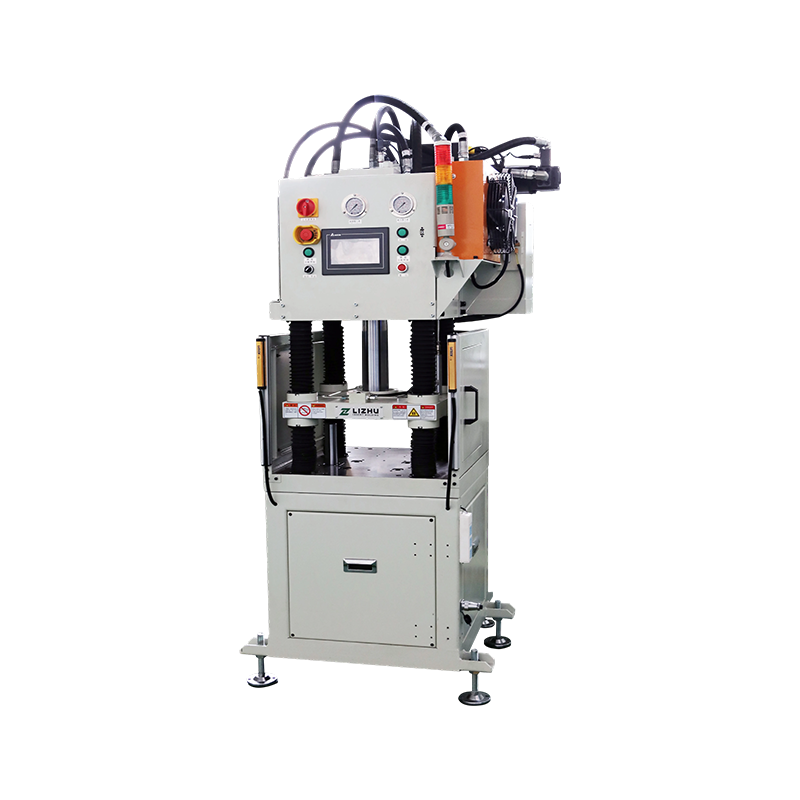
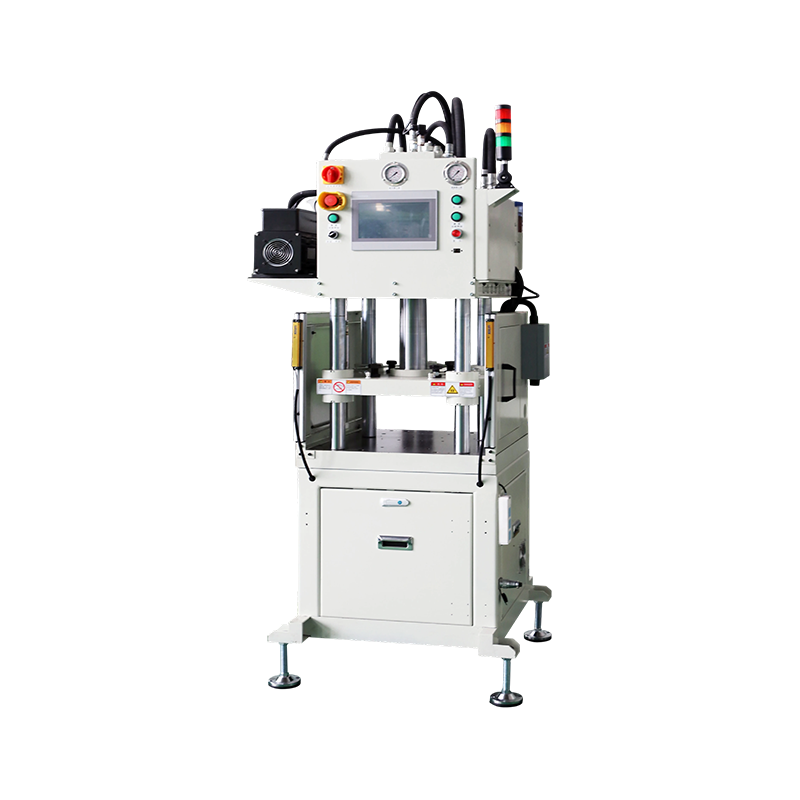
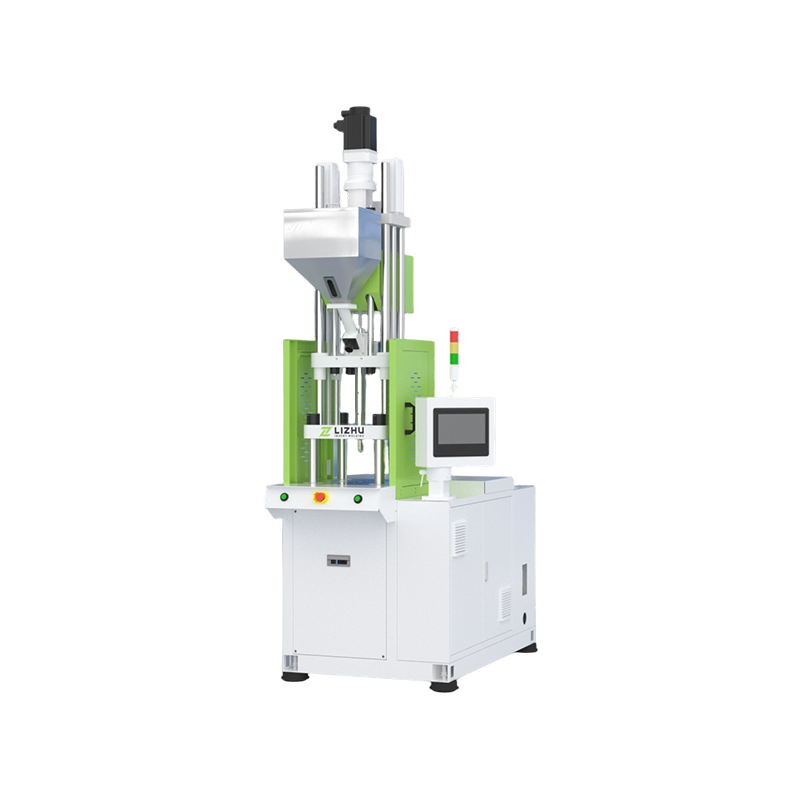 Electric Vertical Injection Molding Machine for Precision PartsThis electric vertical machine suits close-tolerance medical and consumer electronics applications. Its servo-driven system offers low energy consumption, high precision, and optional high-speed injection up to 500 mm/s, making it ideal for thin-wall and insert molding.View Product →
electric vertical machine serves that precision segment while hydraulic machines handle the rest of the production floor.
How to Select a Hydraulic Injection Molding Machine
Selection starts from the part weight, projected area, and resin behavior, not from the brand or list price. The following parameters determine whether a given machine can run your molds at the required quality and cycle time.
- Clamping force: Multiply the projected area of the part (including runners) in square centimeters by a cavity pressure of 300 to 500 kgf/cm², then convert to tons. Choose a machine whose rated clamping force is 10% to 20% above that calculation.
- Shot size: The part weight, including the runner system, should be between 40% and 80% of the machine's rated shot capacity. An oversized barrel degrades the resin through long residence time; an undersized barrel produces short shots and inconsistent part weight.
- Injection pressure and speed: High injection speed helps mold thin-wall parts and improves surface appearance, but it requires a mold that is adequately vented and a material that tolerates high shear rates.
- Tie-bar spacing and mold height: These dimensions define the maximum mold footprint and opening stroke. Measure your current molds and any molds likely to be transferred to the machine before you sign the specification.
- Energy efficiency: A servo-driven hydraulic pump matches oil flow and pressure to the actual load of each cycle, reducing electricity consumption by up to 50% compared with older fixed-displacement pump designs.
A common procurement mistake is buying the largest machine available as a safety margin. A machine operating at 60% to 80% of nominal clamping force and shot capacity will run most efficiently and still leave room for process adjustments.
Vertical or Horizontal: Which Configuration Fits Your Process?
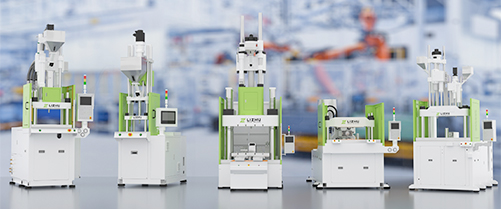
Hydraulic injection molding machines are built in horizontal and vertical configurations, and the difference affects floor space, mold access, insert placement, and automation options.
A horizontal machine is the conventional choice for high-volume parts without inserts. The mold opens on the horizontal plane, and finished parts can drop onto a conveyor below. For insert molding, however, the operator must reach into the mold area to place inserts, which is physically demanding and slow.
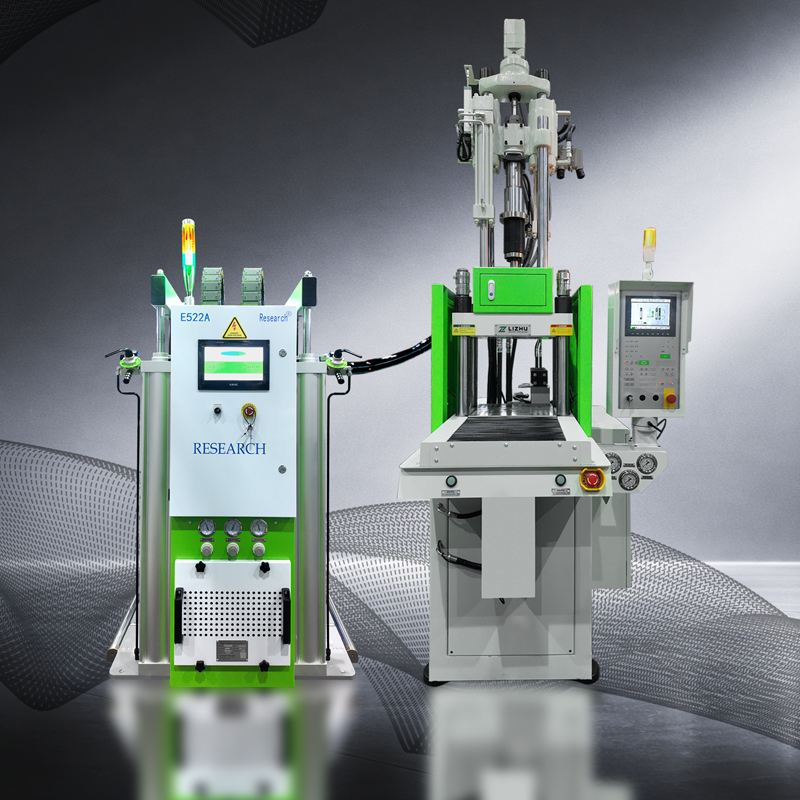
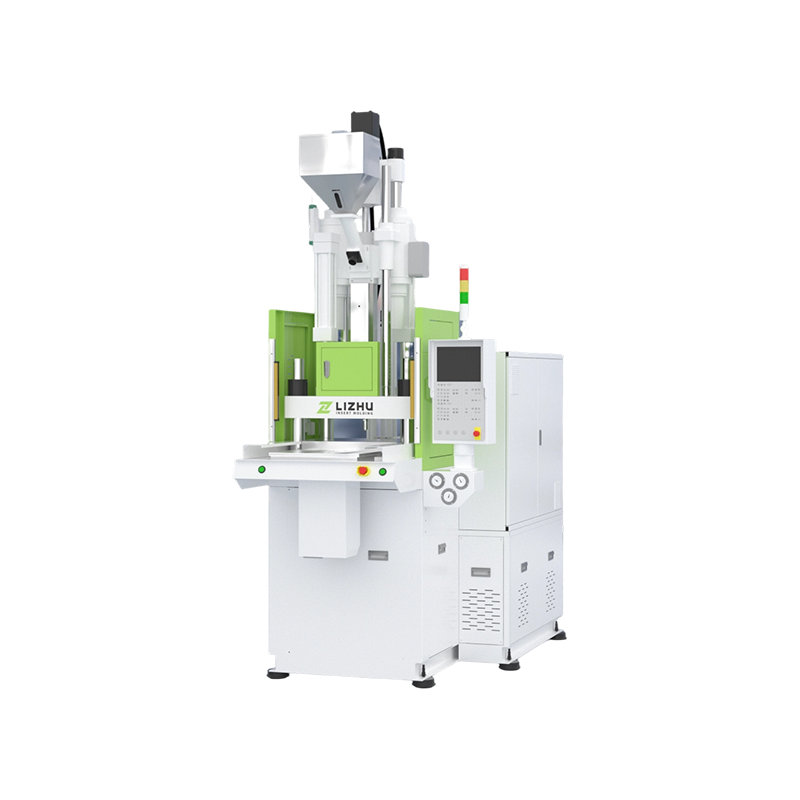
A vertical hydraulic machine keeps the clamp unit vertical, so the mold opening faces upward. This configuration offers three concrete advantages for insert molding: the operator can load inserts from two or three sides without contorting into the machine, inserts stay seated in the mold cavity instead of falling out under gravity, and the machine footprint is roughly half that of a horizontal machine of equal tonnage. Because of these benefits, vertical injection molding machines are widely used across automotive, electronics, and medical device production for parts with molded-in components.
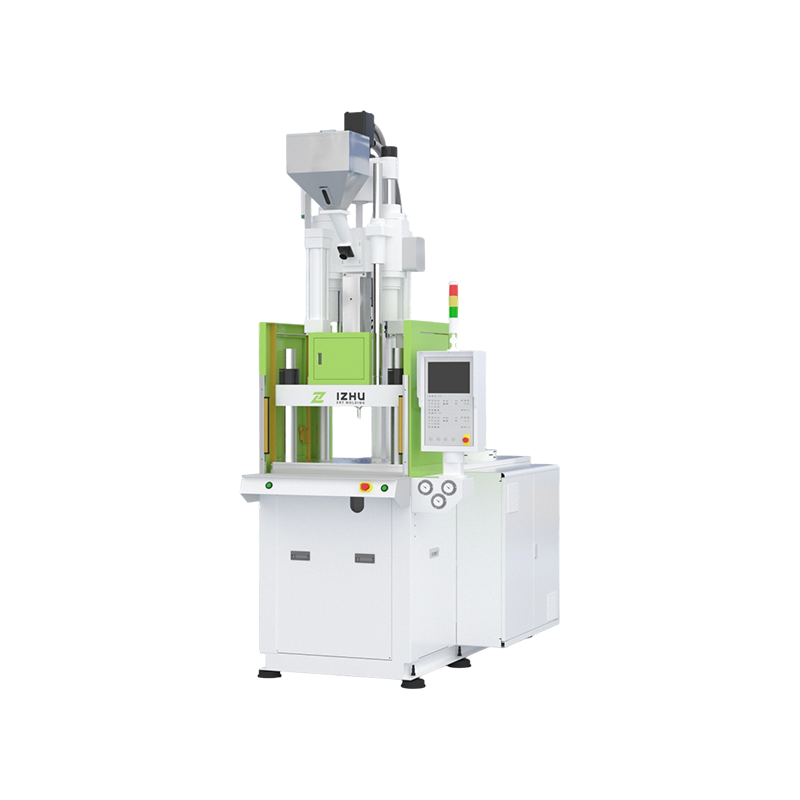 Standard Vertical Injection Molding Machine with Vertical ClampThis hydraulic vertical machine supports insert molding with easy insert placement and a compact footprint. It covers a wide clamping force range and suits automotive, electronics, and medical components requiring tight dimensional accuracy.View Product →
Standard vertical machines cover clamping forces from a few tons to several hundred tons and reliably produce nuts, bushings, connectors, terminals, and other insert-molded metal-plastic components with tight dimensional requirements.
Multi-Station Hydraulic Machines for High-Output Insert Molding
Multi-station designs take the vertical configuration one step further by adding a moving lower platen, reducing idle time between cycles and enabling continuous insert loading.
A sliding table machine moves the lower mold half in and out of the clamp area on a sliding platen. The operator loads inserts on one station while the machine molds on the other, so the clamp only waits for the table movement, not for human hands. Double sliding table machines shuttle two lower mold halves alternately and suit mid-volume production where the molding cycle is short but manual insert placement still takes time.
A rotary table machine mounts several lower mold halves on a rotating platen, allowing three or more stations to work in sequence around the central clamp. This is the fastest approach for high-volume insert molding and for products that must combine multiple components in a single molding cycle, such as automotive connectors and appliance control modules.
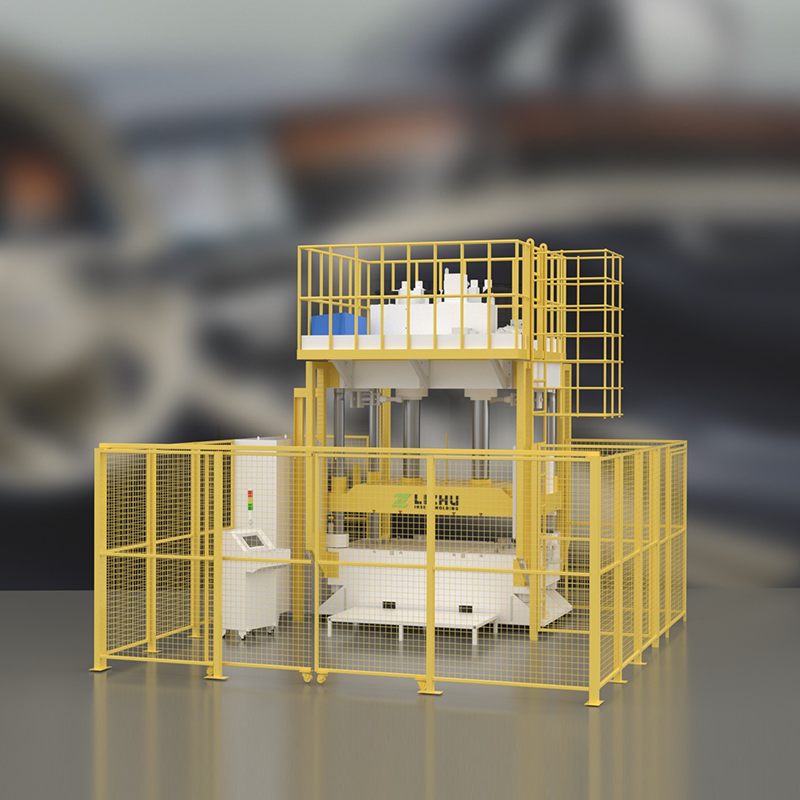
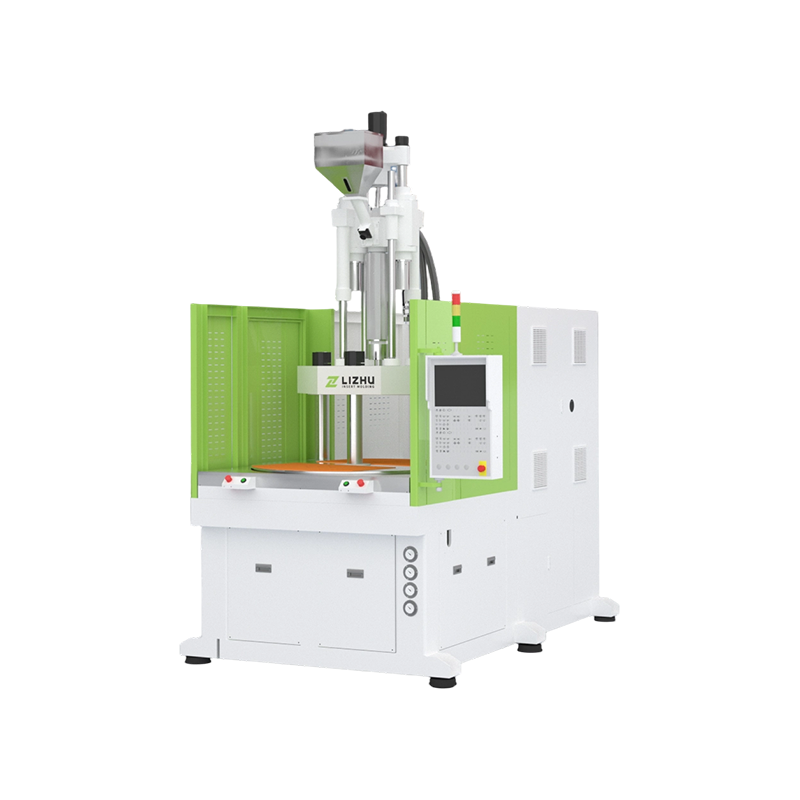 Rotary Table Vertical Injection Molding Machine for High-Volume ProductionFeaturing dual or multi-station rotating tables, this machine enables simultaneous injection and loading/unloading. It maximizes output per square meter and works well with robotic automation for high-volume insert-molded products like connectors and control modules.View Product →
Whichever multi-station layout you choose, you gain the practical benefit of overlapping human work with machine work, which directly increases output per square meter of floor space.
Maintenance Practices That Determine Machine Lifespan
A well-maintained hydraulic injection molding machine can remain in service for 20 years or more, and the deciding factor is preventive maintenance, not the brand of the machine. Hydraulic systems fail gradually, so routine checks give you early warnings before a small problem becomes a shutdown.
- Hydraulic oil: Check oil level, temperature, and clarity daily. Replace the oil when the acid number or particle count exceeds the oil supplier's limit, and never mix different oil grades.
- Filters: Clean or replace suction and return filters on the schedule defined by the builder. A clogged filter causes cavitation, which destroys pump components.
- Seals and cylinders: Inspect rod seals and cylinder packings monthly. Even a small external leak wastes energy, contaminates the work area, and accelerates pump wear as the oil level drops.
- Heat exchanger: Keep the oil cooler clean, because hydraulic systems run reliably only when oil temperature stays between 40°C and 55°C.
- Pump and motor alignment: Misalignment creates vibration, noise, and premature bearing failure in both the motor and the pump.
For specific oil grades, filter intervals, and torque values, consult the manufacturer's frequently asked questions section or the operator manual that ships with the machine.
Frequently Asked Questions
How long does a hydraulic injection molding machine last?
With proper oil management, regular seal replacement, and timely repairs, many hydraulic molding machines stay in production for 20 to 30 years. Overhauling a hydraulic machine is usually less expensive than replacing it, which is why well-maintained hydraulic machines remain competitive in secondary markets.
Is a hydraulic injection molding machine cheaper than an electric one?
Yes. The initial purchase price of a hydraulic machine is typically 20% to 30% lower than that of an equivalent electric machine, and spare parts are broadly available at lower cost. The total cost of ownership can become comparable over many years because electric machines consume less energy and skip oil-related maintenance, so calculate both purchase price and running cost for your expected production volume.
What is a servo-hydraulic injection molding machine?
A servo-hydraulic machine uses a servo motor to drive the hydraulic pump only when the machine demands pressure and flow. Because the pump output matches the cycle requirements in real time, energy consumption drops by as much as 50% compared with older fixed-pump machines, while the clamping force and injection capabilities of conventional hydraulics remain unchanged.
When should I choose a vertical hydraulic machine instead of a horizontal one?
Choose a vertical machine when the part requires insert molding, when the mold set is heavy and benefits from gravity-assisted closing, or when floor space is limited. Vertical machines also simplify automated insert loading because the working area is accessible from three sides and the lower platen can integrate with conveyor-fed handling systems.