中文简体
中文简体



A double injection molding machine lets you produce one part from two different resins or colors in a single molding cycle, and the machine you need depends on your material pairing, part geometry, and annual volume. If you are currently molding one component and then overmolding a second layer in another process step, a double injection molding machine removes that second cycle entirely. The result is a complete part with a strong molecular bond, tighter tolerances, and a reject rate that is far more consistent than in two-step production. But choosing the right unit means understanding how the process works and where it outperforms overmolding.
What Is a Double Injection Molding Machine?
A double injection molding machine is an injection molding system with two injection units that feed material into the same mold, enabling a single part to be molded from two thermoplastic compounds or two colors in one uninterrupted cycle.
This process is also called two-shot molding. The key difference from overmolding is that both materials are injected without opening the mold or transferring the part. Common machine configurations include:
- A rotary table that indexes the first-shot preform to a second cavity
- A moving mold plate that shifts the part into the second cavity position
- A stationary two-cavity design with a hot runner system feeding both shots
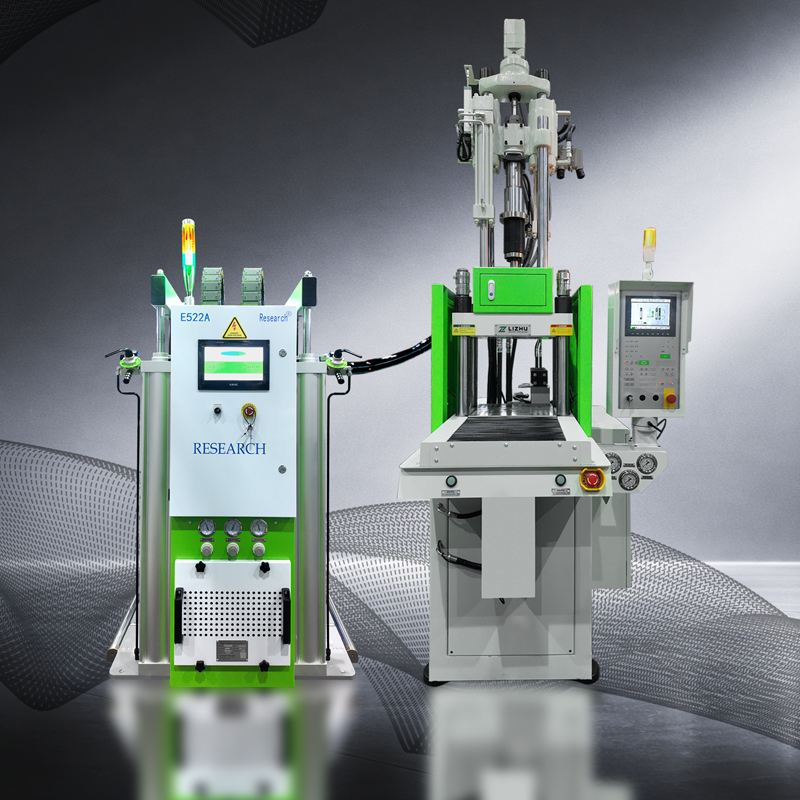
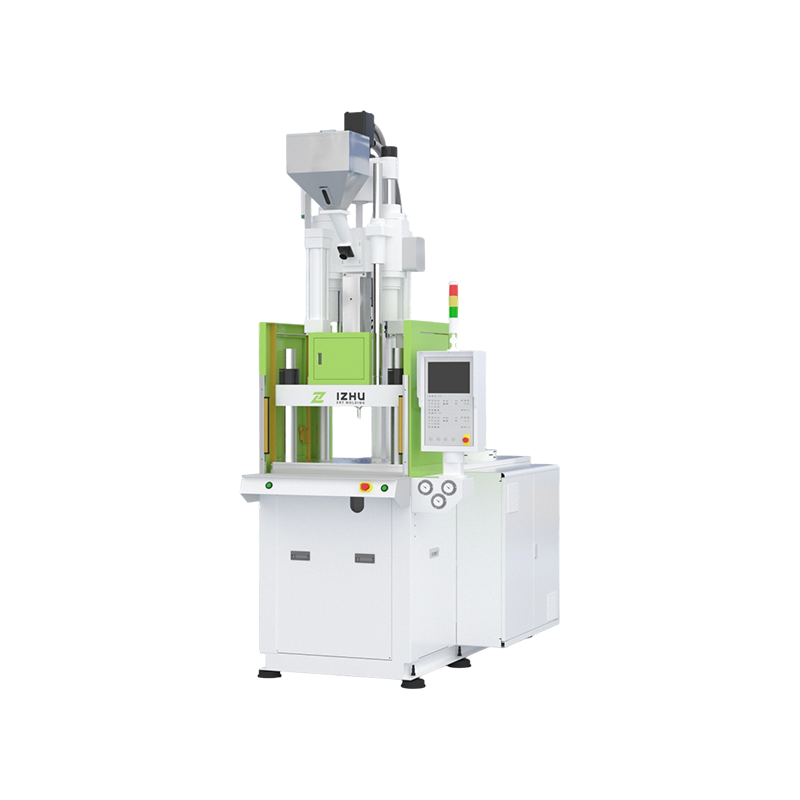
LIZHU Machinery's multicolor vertical injection molding machine uses a rotary-table architecture that is well suited for complex multi-shot parts requiring precise color separation or different material properties in one finished product.
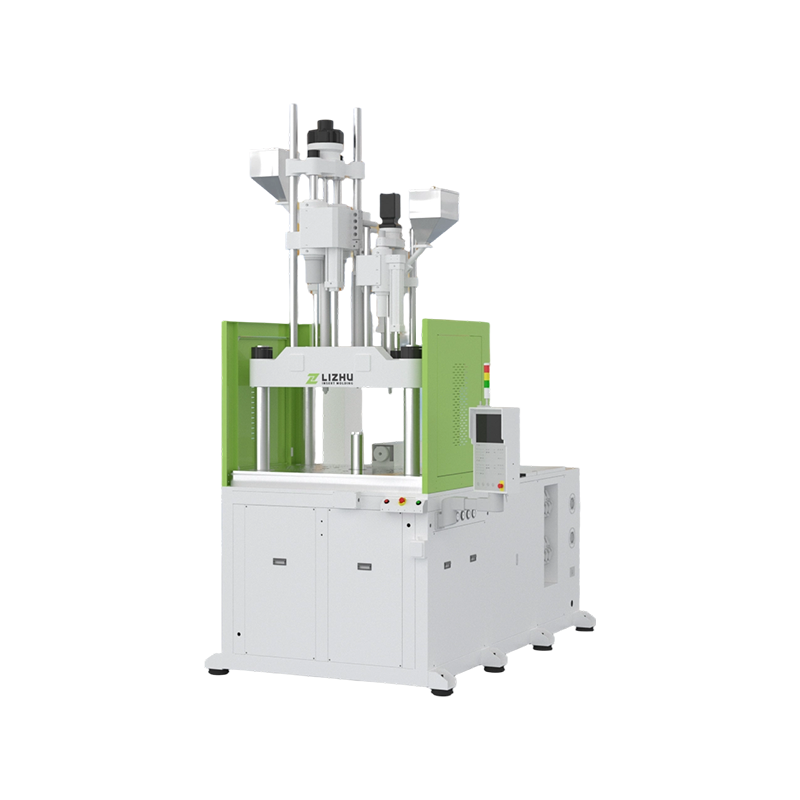 Multi-color rotary-table vertical injection molding machine for precision multi-shot partsThis machine enables single, double, or triple injection of different colors or materials in one cycle. Its imported hydraulic valves and touch-screen control ensure stable, precise operation, making it ideal for complex parts requiring color separation or varied material properties.View Product →
How Does a Double Injection Molding Machine Work?
The sequence is simple: the first barrel fills the primary cavity, the rotary table or moving plate indexes the preform to the second cavity, and the second barrel injects the remaining geometry before ejection.
Both injections happen in the same machine cycle. The bond formed between the two polymers is stronger than a mechanical interlock created by manual overmolding because the materials fuse at the polymer level while the first shot is still hot. Critical process parameters include:
- Mold temperature control to keep the first shot at the optimal surface temperature
- Injection pressure and speed balance to prevent the second shot from displacing the first
- Shot volume accuracy on both barrels to keep material weights repeatable
- Clamping force to resist the extra pressure from the second injection
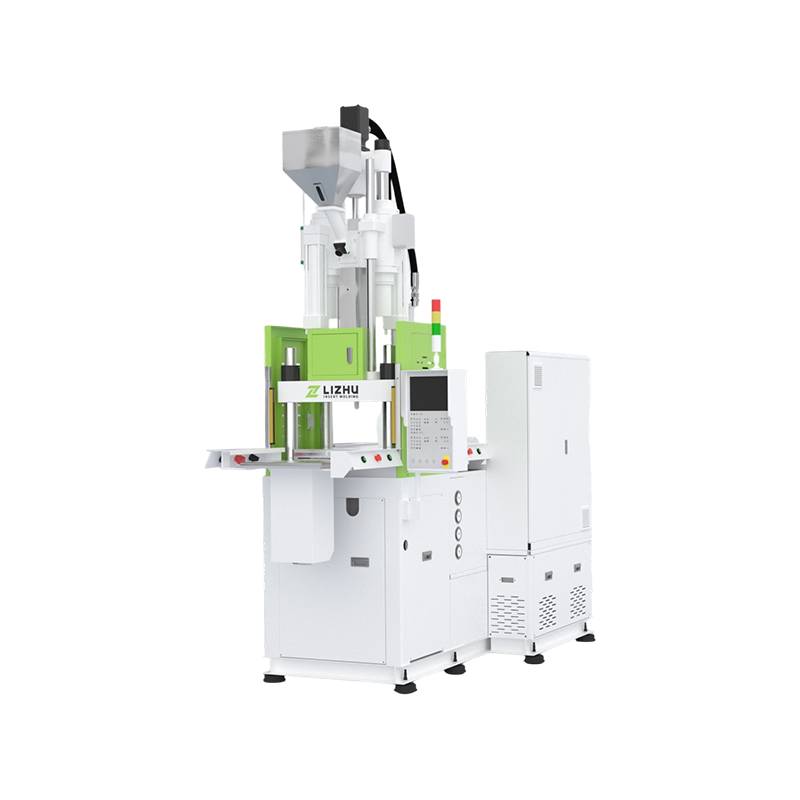
For vertical machine layouts, a rotary table provides multi-station operation that is especially useful when first-shot cooling time is long compared with second-shot injection time.
 Rotary table vertical injection molding machine with multi-station designFeaturing dual or multi-station turntables, this vertical machine allows simultaneous injection and part handling, boosting efficiency. It suits precision inserts and small parts, with options for three or four stations to match higher production demands.View Product →
Double Injection Molding vs. Overmolding: Key Differences
Both processes use two materials, but the difference lies in the number of cycles and where the bond forms. A double injection molding machine creates a molecular bond inside the mold, whereas overmolding requires a separate shot, a separate cycle, and often an additional fixture.
| Aspect | Double Injection Molding | Overmolding |
|---|---|---|
| Cycle count | One cycle for both materials | Two separate cycles |
| Bond strength | Molecular bond at the interface | Mechanical or adhesive bond |
| Part tolerance | Consistent because part stays clamped | Risk of misalignment during transfer |
| Total cycle time | Shorter overall | Longer with loading and unloading |
| Tooling investment | Higher initial mold cost | Lower, with two separate simpler molds |
| Best suited for | High-volume, complex multi-material parts | Lower-volume or simpler inserts |
The reject rate matters even more than cycle time. In overmolding, the part is handled and repositioned twice, which introduces variation. With a double injection molding machine, the part never leaves the mold between shots, and positioning is controlled by the machine on every cycle.
Benefits of Double Injection Molding
The measurable advantages are cycle time reduction, bond quality, part consolidation, and repeatability.
Shorter Total Cycle Time
Manual loading, unloadg, and intermediate quality checks disappear. A complete part is produced roughly in the same time as a single-shot part, with only slightly longer injection and cooling stages.
Stronger Bond between Materials
Because the second shot meets a warm first shot, polymer chains interpenetrate at the interface. This is why double-shot parts withstand vibration, thermal cycling, and repeated use better than bonded assemblies.
Part Consolidation and Function Integration
One double-shot part can replace several components. A typical example is a hand tool handle with a rigid polyamide core and a soft elastomer grip, eliminating a separate rubber sleeve or adhesive application.
Consistent Quality and Repeatability
Machine-controlled indexing keeps the relative position of both materials exact every shot. In overmolding, soft or flexible parts can shift during handling, causing misalignment and scrap.
Common Applications Across Industries
Double injection molding machines are used in automotive interior trim, medical devices, consumer electronics, personal care packaging, and power tool housings.
In automotive interiors, a hard structural back is combined with a soft-touch decorative layer in a single part. In medical devices, the technology creates a rigid hub with an integral flexible seal. In consumer electronics, a housing and a soft-touch button come from one molding step.
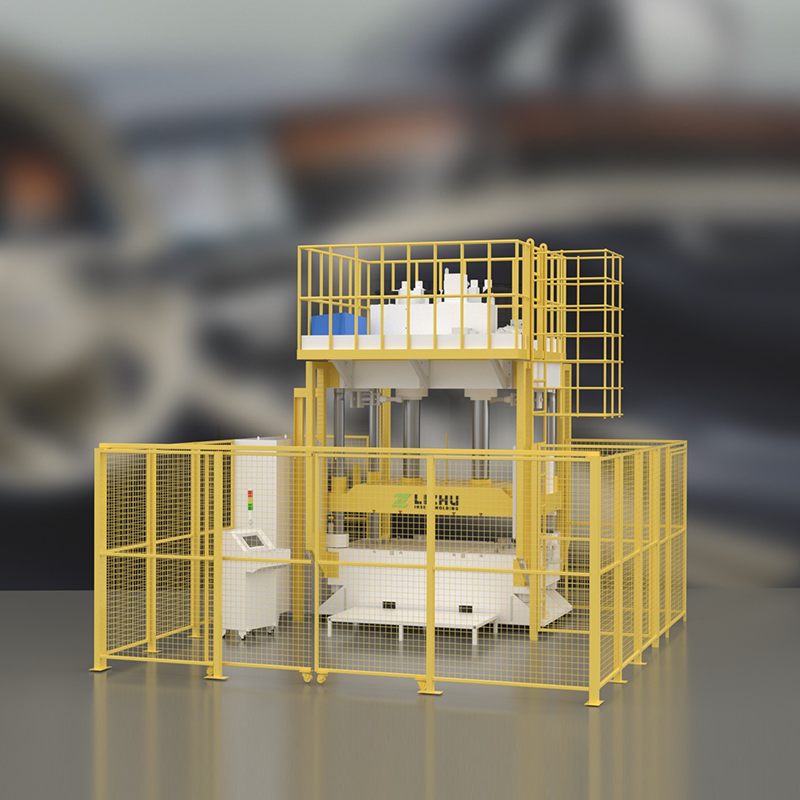
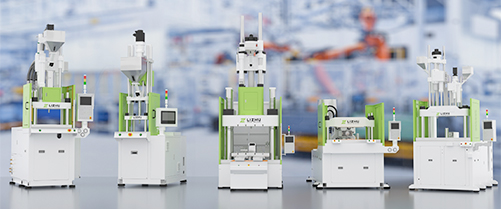
Vertical configurations are particularly useful when the part is tall, irregular, or requires gravity-assisted insert seating. LIZHU Machinery's vertical molding platform supports standard, sliding-table, rotary-table, and multi-color machines below 2000 tons, which lets you match the machine to the part size rather than forcing the part into a fixed machine class.
For a deeper look at when vertical machines make sense, see our article on vertical injection molding machine advantages.
How to Choose the Right Double Injection Molding Machine
Start with the material pair and work outward. The material combination, shot weight, clamping pressure, and production volume define the right machine specification.
Define the Material Pair First
Not every thermoplastic combination will bond. ABS over PC, elastomers over polyamide, and TPE over PP are common workable pairs. If the chosen pair is not chemically compatible, the mold needs a mechanical interlock to hold the two layers together.
Calculate Shot Weight and Barrel Size
The machine must supply the correct shot weight for each material. Resin-to-resin ratios can range from 1:1 to 1:10. For parts with a very small secondary shot, a smaller second barrel prevents material from deviating inside the barrel.
Match Clamping Force and Table Type
Clamping force considers the injected area of both shots. A rotary table is required when the part must index to a second cavity. A moving-plate design works for smaller parts. A sliding table is useful when an insert must be loaded outside the mold.
Review Annual Production Volume
Tooling for double injection is more expensive, so the process pays off at higher volumes. Below roughly 10,000 parts, overmolding may be cheaper. Above 50,000 parts, the savings in labor, cycle time, and scrap usually favor a double injection molding machine.
The logic behind this decision is outlined further in our guide on why precision injection molding machines matter.
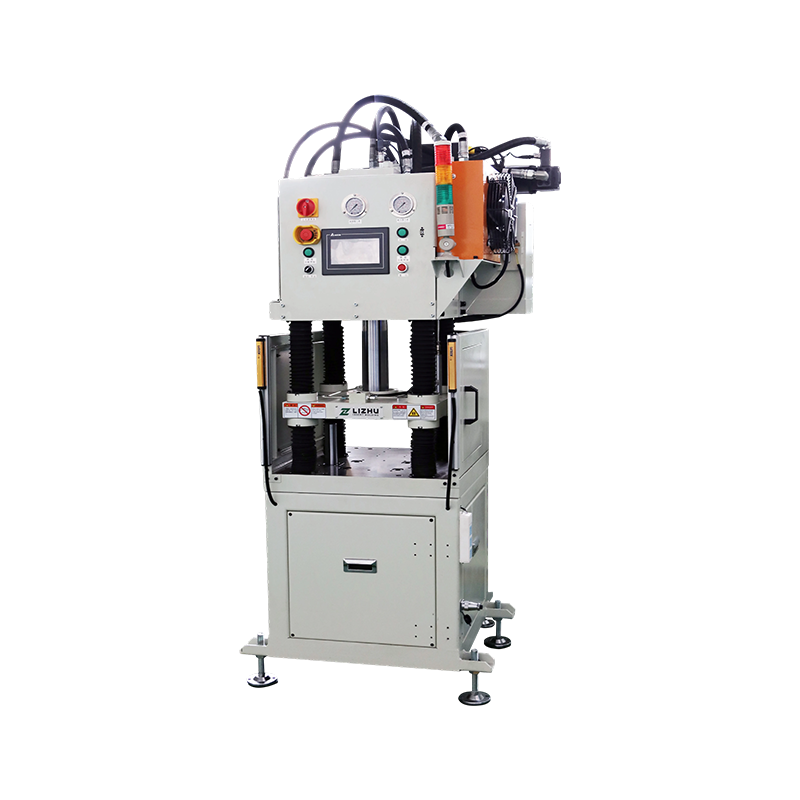
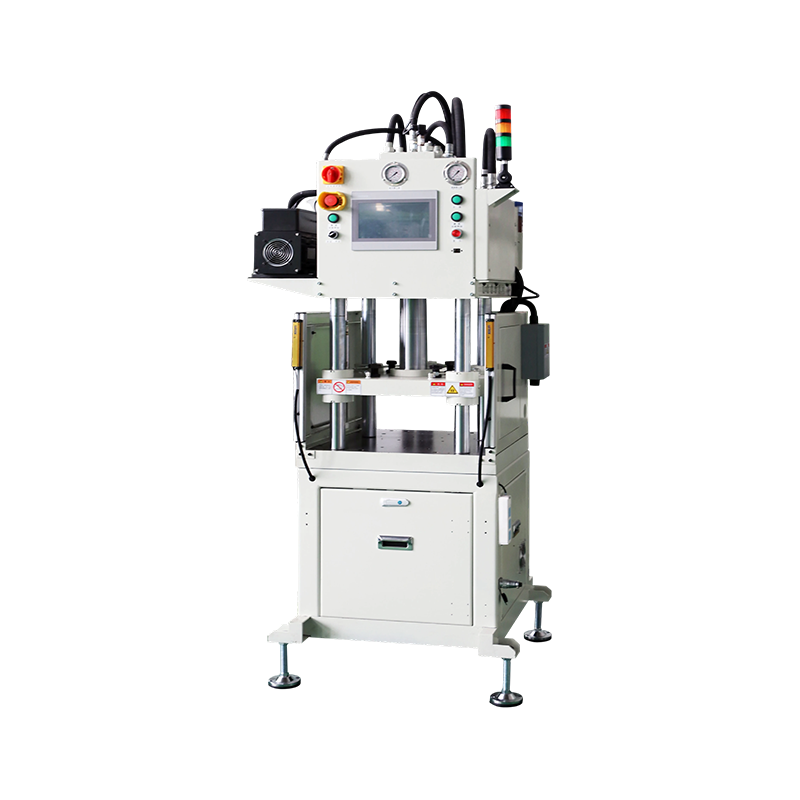
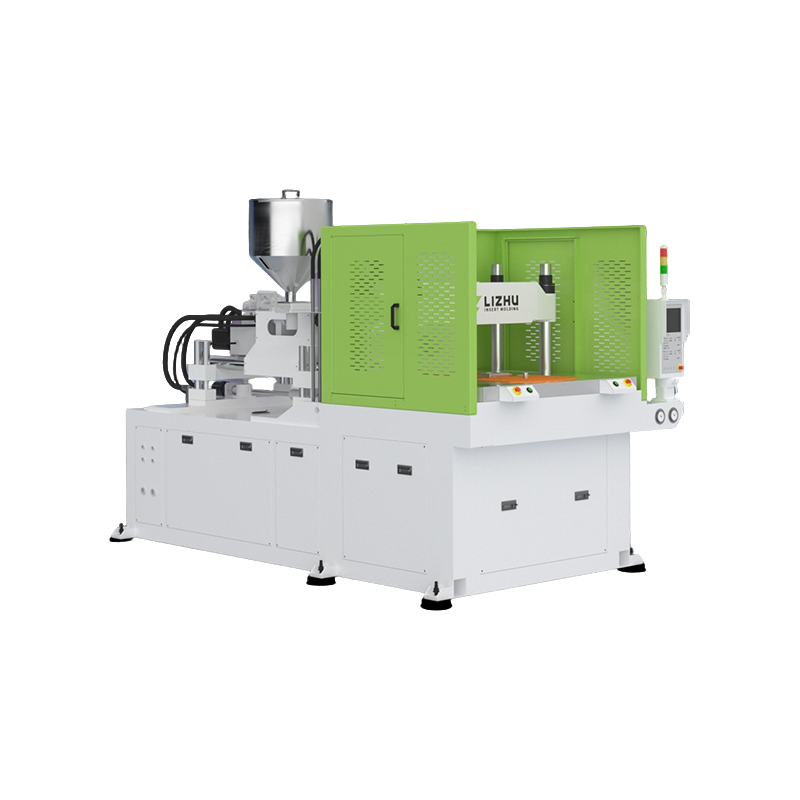 Vertical clamping horizontal injection molding machine for flexible productionThis machine combines a vertical clamp with horizontal injection, offering both compactness and large injection volume. It allows customization of clamping force and injection mechanism, making it suitable for automotive trims and threaded fittings with lower operating height.View Product →
Frequently Asked Questions
What is the difference between a double injection molding machine and a two-color injection molding machine?
The terms overlap, but the distinction is whether the same material is used in two colors or two different polymers are used. A two-color machine typically injects one resin in two colors. A double injection machine can inject two polymer grades with different hardness, stiffness, or chemical properties.
How many cavities can a double injection molding machine handle?
Rotary-table machines can run two, four, or more stations depending on machine size. Vertical rotary tables are often limited by table diameter, while horizontal machines can accommodate higher cavity counts for smaller parts.
What are the most common defects in double injection molding?
Short shots, weld lines at the interface, and flash around the second cavity are the main issues. These are usually traced to mold temperature, injection speed, or venting design rather than the machine itself.
Is a vertical machine better for double injection molding?
Vertical machines are better when inserts are required, when part geometry depends on gravity, or when floor space is tight. Horizontal machines remain the standard for high-speed packaging and consumer product components.
How long does the mold last?
With proper maintenance and waterline care, a double injection mold can run several hundred thousand cycles. The rotary table and moving mold plate assembly require routine inspection to keep indexing accuracy within tolerance.