 中文简体
中文简体
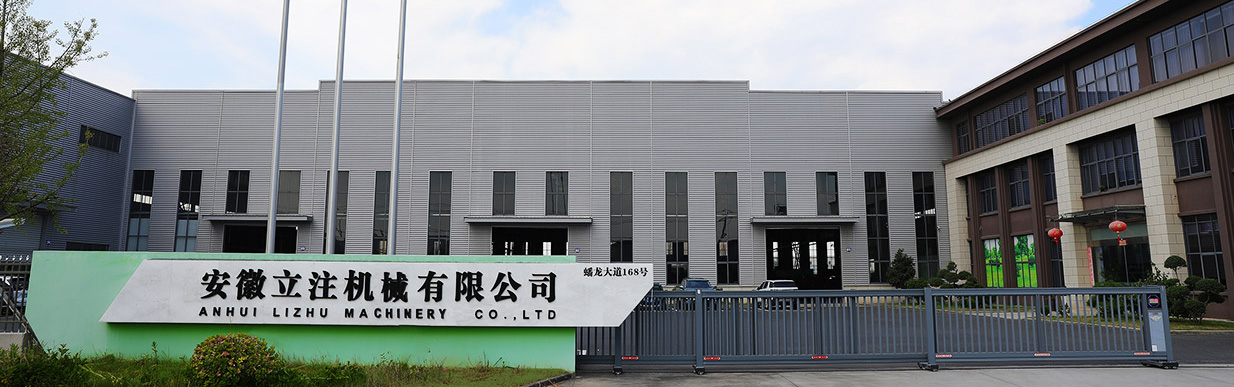
LIZHU Machinery Co., Ltd. was founded in 2011, is a leading company in high-speed precision injection molding...
View More
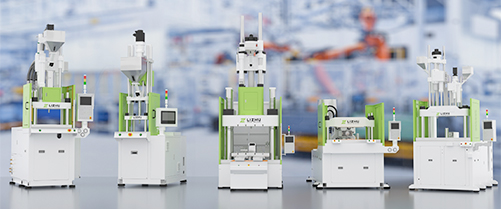
At present, we have various models of standard machines, skateboard machines, disc machines, and multi-color machines under 2000 tons.
View More
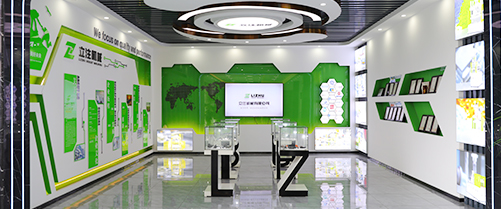
Check out the latest from the injection molding machine about the topics relevant to your industry and manufacturing process.
View More

Industry News
Home / News / Industry News / Why Are Precision Injection Molding Machines Essential for Modern Manufacturing?
 Home / News / Industry News / Why Are Precision Injection Molding Machines Essential for Modern Manufacturing?
 Why Are Precision Injection Molding Machines Essential for Modern Manufacturing?
2026-02-11
Introduction to Precision Injection Molding Machines
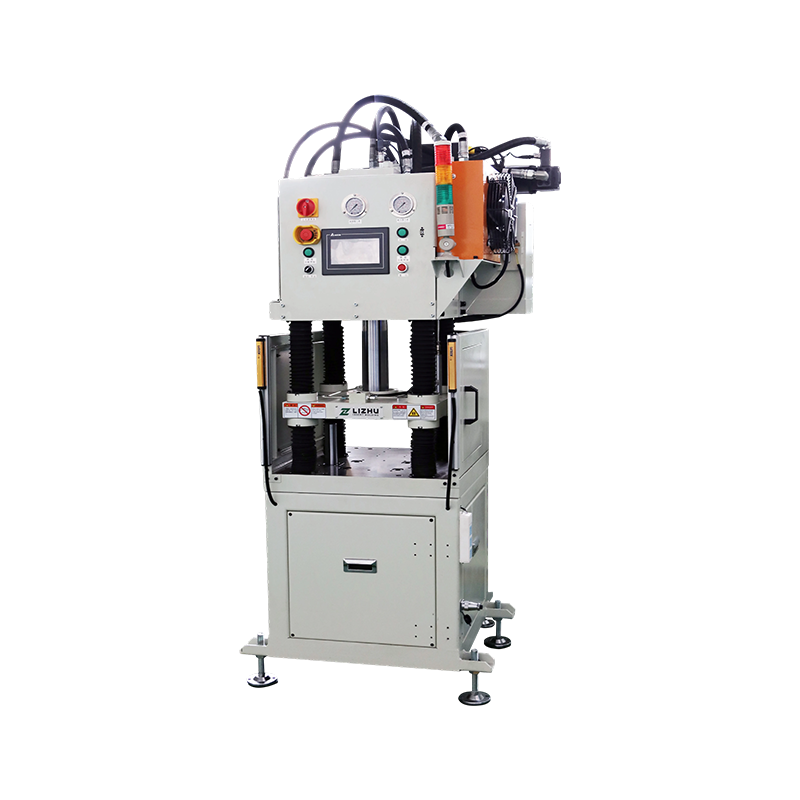
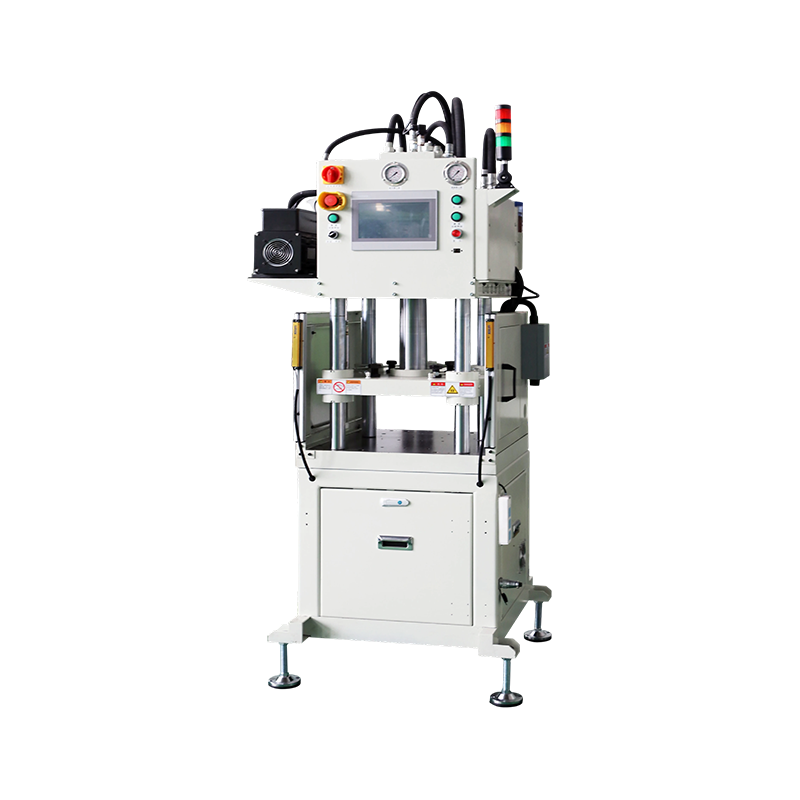
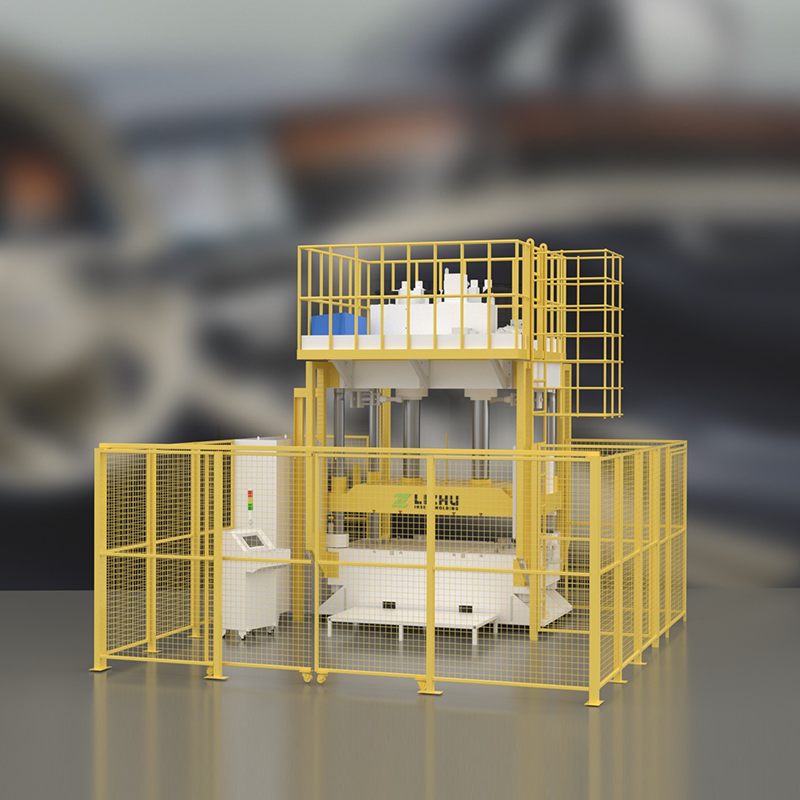
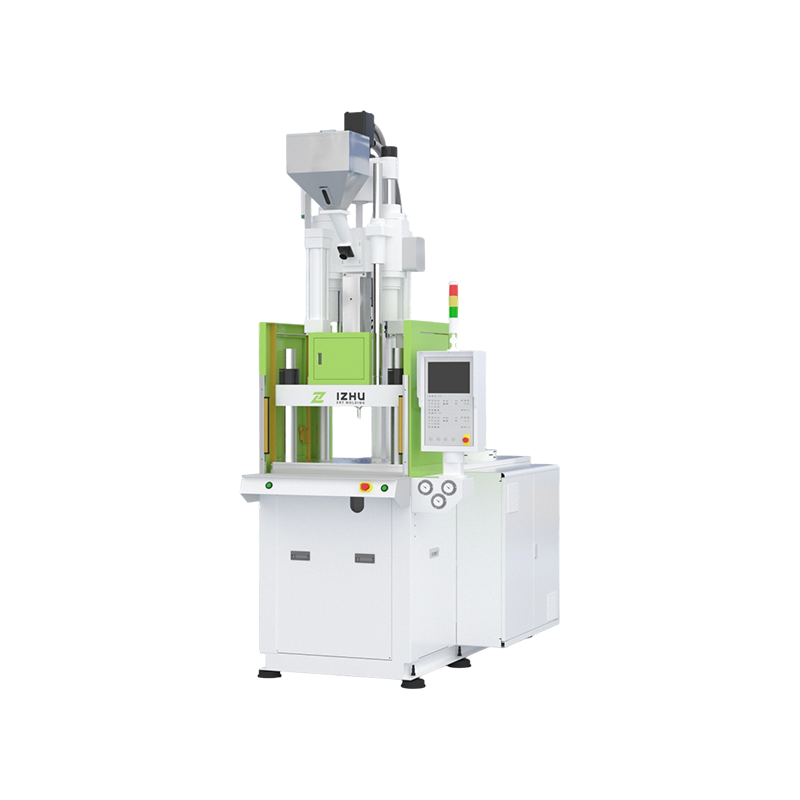
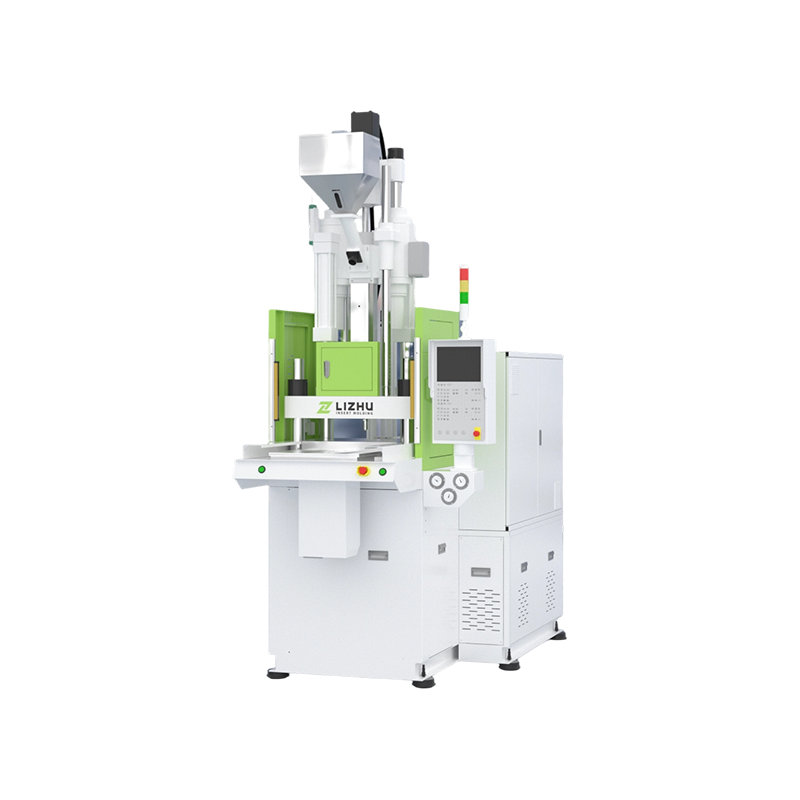
Precision injection molding machines represent one of the most critical innovations in modern manufacturing. These machines play an essential role in producing high-accuracy components that are used in various industries, from automotive to medical devices. With the rise of miniaturization, complex geometries, and demand for high-quality production standards, precision injection molding machines have become indispensable tools in industries requiring precision and high efficiency.
What is Precision Injection Molding?
Precision injection molding refers to the process of injecting molten material, typically plastic, into a precisely designed mold under high pressure. The key distinction of precision molding is the exceptional level of accuracy it offers, ensuring that the molded parts are consistently within tight tolerances. This process ensures that parts such as connectors, casings, and micro-components meet the most demanding specifications. The machines used in this process are designed to maintain very high levels of consistency and precision, allowing manufacturers to produce parts with minimal variation.
Key Features of Precision Injection Molding Machines
- Precision and Tolerances: These machines can produce parts with a tolerance of up to +/- 0.001 inches, making them ideal for industries like aerospace and medical devices that require exceptionally tight specifications.
- Advanced Control Systems: High-tech systems enable operators to monitor and adjust variables like temperature, pressure, and cycle time, ensuring that the process stays within the defined parameters.
- Energy Efficiency: With modern designs and improved components, these machines are optimized to minimize energy usage, significantly reducing the cost of operation.
- Speed and Throughput: Precision molding machines offer faster cycle times, which helps increase productivity, especially in high-volume production runs.
- Multi-material Capabilities: Many precision molding machines are designed to process multiple materials or colors in one cycle, providing greater flexibility in product design.
- Consistency and Repeatability: The high level of automation and precision ensures that every part produced is nearly identical to the next, making these machines ideal for mass production of high-precision components.
Applications of Precision Injection Molding Machines
The applications for precision injection molding machines span a wide range of industries due to their ability to create high-quality, complex parts in a variety of materials.
- Automotive Industry: Precision molding machines produce automotive components such as dashboards, electrical connectors, engine parts, and sensors, which require extremely tight tolerances for proper functionality.
- Electronics: These machines are widely used to manufacture small, intricate parts like connectors, housings, and buttons for electronic devices such as smartphones, tablets, and computers.
- Medical Devices: In the medical field, precision injection molding is used to create parts such as surgical instruments, drug delivery systems, syringes, and diagnostic devices, where precision and cleanliness are paramount.
- Aerospace: Components for aircraft, such as lightweight, high-strength parts used in the fuselage, engines, and landing gear, can be produced using precision injection molding to meet rigorous industry standards.
- Consumer Goods: Products like household appliances, toys, and sporting equipment often require precise molds to produce parts with the right fit and finish.
Advantages of Using Precision Injection Molding Machines
Precision injection molding machines offer numerous advantages for manufacturers. Below are some of the top benefits:
- High Precision and Accuracy: As the name suggests, these machines deliver high levels of precision, allowing manufacturers to create highly detailed and complex parts that fit perfectly without the need for additional finishing or rework.
- Cost Efficiency: Although the initial cost of precision injection molding machines may be higher, the reduction in material waste, faster production speeds, and reduced need for manual labor result in long-term cost savings.
- Flexibility in Production: These machines are versatile enough to handle a wide variety of materials, from thermoplastics to metals, offering greater flexibility in production runs and product designs.
- Faster Production: The high-speed capabilities of precision molding machines help reduce production cycle times, improving overall throughput for high-volume orders.
- Improved Product Quality: The precision of these machines ensures that parts are produced with fewer defects, reducing the need for post-production inspection and quality control processes.
- Reduced Material Waste: Precision molding allows for exact amounts of material to be injected into the mold, minimizing waste and optimizing material usage.
Comparison: Precision Injection Molding vs. Standard Injection Molding Machines
While both precision and standard injection molding machines are used to produce molded parts, the key differences lie in their capabilities and applications. Here is a detailed comparison:
| Feature | Precision Injection Molding Machines | Standard Injection Molding Machines |
|---|---|---|
| Accuracy | Offers extremely high precision, with tolerances as tight as +/- 0.001 inches. | Moderate precision, typically used for larger or less complex parts. |
| Material Range | Can handle a wide variety of materials, including high-performance plastics, metals, and composites. | Primarily used for basic plastics and thermoplastics. |
| Speed | Faster cycle times, optimized for high-volume production. | Longer cycle times and lower throughput, especially for intricate parts. |
| Application | Used for complex, high-precision parts that require tight tolerances. | Best suited for general-purpose, large-scale production of simple parts. |
Factors to Consider When Choosing a Precision Injection Molding Machine
Choosing the right precision injection molding machine requires considering several critical factors:
- Part Complexity: More complex parts with intricate designs, such as medical devices, require a machine with high precision.
- Material Compatibility: Ensure that the machine is compatible with the materials you intend to use, including specialty plastics or metals.
- Cycle Time and Throughput: Evaluate how fast the machine can complete a production cycle, especially if you need to meet high-volume demands.
- Automation: The level of automation required for the process is another consideration. Automated systems reduce labor costs and improve consistency.
- Budget: While precision machines are often more expensive upfront, their cost-saving benefits in the long run should be factored in.
Case Study: Automotive Industry's Adoption of Precision Injection Molding
In the automotive sector, where the reliability and performance of each component are crucial, precision injection molding plays a significant role. For instance, the production of engine components such as fuel injection nozzles, electrical connectors, and micro sensors requires machines that can ensure the parts are within a few microns of the designed specifications. The ability of precision injection molding machines to consistently produce these parts with such accuracy has made them the preferred choice for automotive manufacturers around the world. By reducing waste and improving production speeds, these machines contribute to cost savings while maintaining high product quality standards.
FAQ
What types of materials can be used in precision injection molding machines?
Precision injection molding machines can handle a wide range of materials, including thermoplastics, thermosets, elastomers, and metals. Specialized machines are also available for processing advanced composites and high-performance materials like PEEK and liquid crystal polymers (LCP).
What is the typical cost of a precision injection molding machine?
The cost of a precision injection molding machine varies depending on its size, features, and capabilities. Smaller, entry-level machines can start at $50,000, while high-end, custom machines with advanced automation and multi-material capabilities can cost several hundred thousand dollars.
How long does it take to set up a precision injection molding machine?
The setup time depends on the complexity of the mold and the material being used. On average, setup times can range from a few hours to a few days, depending on the configuration and production requirements.
Conclusion
Precision injection molding machines are indispensable tools for manufacturers aiming to produce high-quality, complex parts. These machines offer enhanced precision, reduced waste, and faster cycle times, making them ideal for industries where accuracy and efficiency are paramount. From automotive and electronics to medical devices and aerospace, the benefits of precision molding are clear, and as technology continues to advance, these machines will remain at the forefront of manufacturing innovation.
News categories
Product categories
Exhibition Information
-
How to choose high cost-effective standard vertical injection molding machines?
Oct 10,2025 -
Key points for maintenance and upkeep of the mechanical part of the vertical injection molding machine
Oct 10,2025 -
Why do the medical and 3C industries favor vertical electric injection molding machines?
Oct 10,2025
Content
- 1 Introduction to Precision Injection Molding Machines
- 2 Key Features of Precision Injection Molding Machines
- 3 Applications of Precision Injection Molding Machines
- 4 Comparison: Precision Injection Molding vs. Standard Injection Molding Machines
- 5 Factors to Consider When Choosing a Precision Injection Molding Machine
- 6 FAQ
- 7 Conclusion

-
 +86-(0)512-6598 3406
 -
 +86-138 6210 7502
 -

-
 Zhaoyao Science and Technology Park, No. 573 Ruyuan Road, Chengyang Subdistrict, Xiangcheng District, Suzhou, Jiangsu Province, China
Copyright © 2025 Suzhou Lizhu Machinery Co., Ltd. All Rights Reserved.
China precision injection molding machine manufacturers custom precision injection molding machine supplier
