 中文简体
中文简体
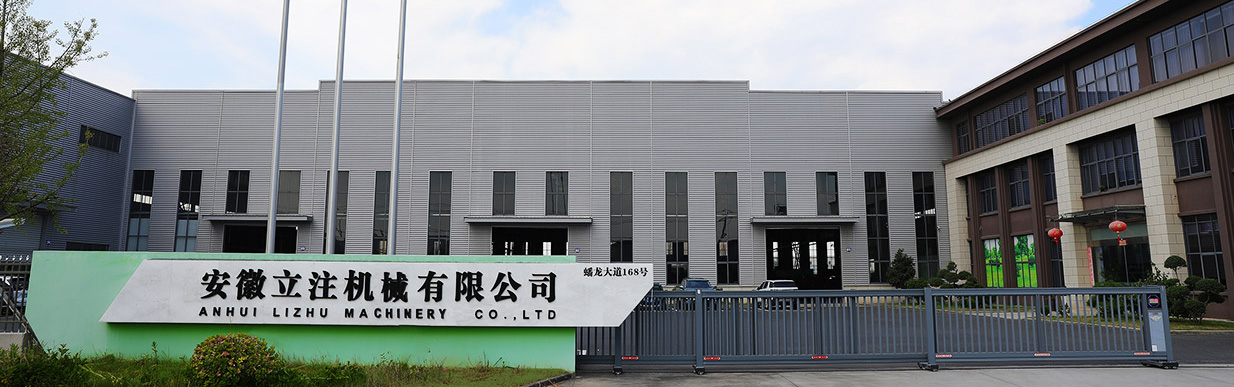
LIZHU Machinery Co., Ltd. was founded in 2011, is a leading company in high-speed precision injection molding...
View More
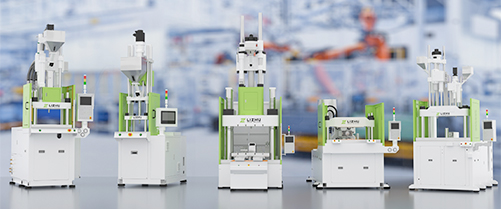
At present, we have various models of standard machines, skateboard machines, disc machines, and multi-color machines under 2000 tons.
View More
Check out the latest from the injection molding machine about the topics relevant to your industry and manufacturing process.
View More

Industry News
Home / News / Industry News / What Makes Sliding Vertical Injection Molding Machines Stand Out in Precision and Speed?
 Home / News / Industry News / What Makes Sliding Vertical Injection Molding Machines Stand Out in Precision and Speed?
 What Makes Sliding Vertical Injection Molding Machines Stand Out in Precision and Speed?
2026-02-11
Introduction to Sliding Vertical Injection Molding Machines
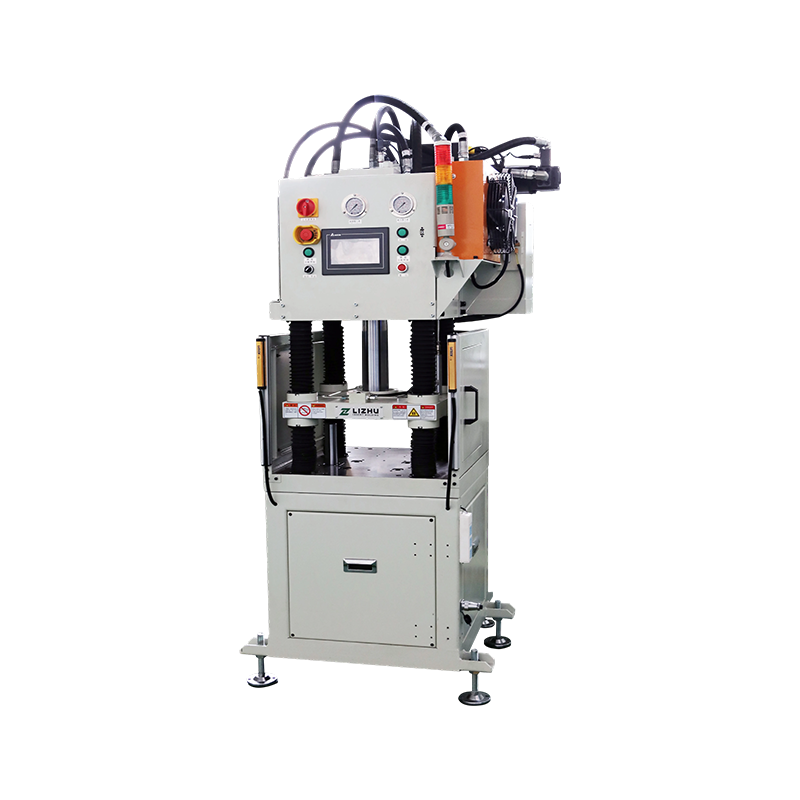
As manufacturing processes continue to evolve, the demand for more efficient, precise, and versatile machinery has led to the rise of advanced injection molding technologies. One such innovation is the sliding vertical injection molding machine. This machine is designed to address some of the key challenges faced by traditional vertical injection molding machines, such as longer cycle times, less efficient mold handling, and limited flexibility. By incorporating a sliding table system and advanced automation, the sliding vertical injection molding machine offers enhanced production speeds, higher precision, and a significant reduction in operational costs.
How Sliding Vertical Injection Molding Machines Work
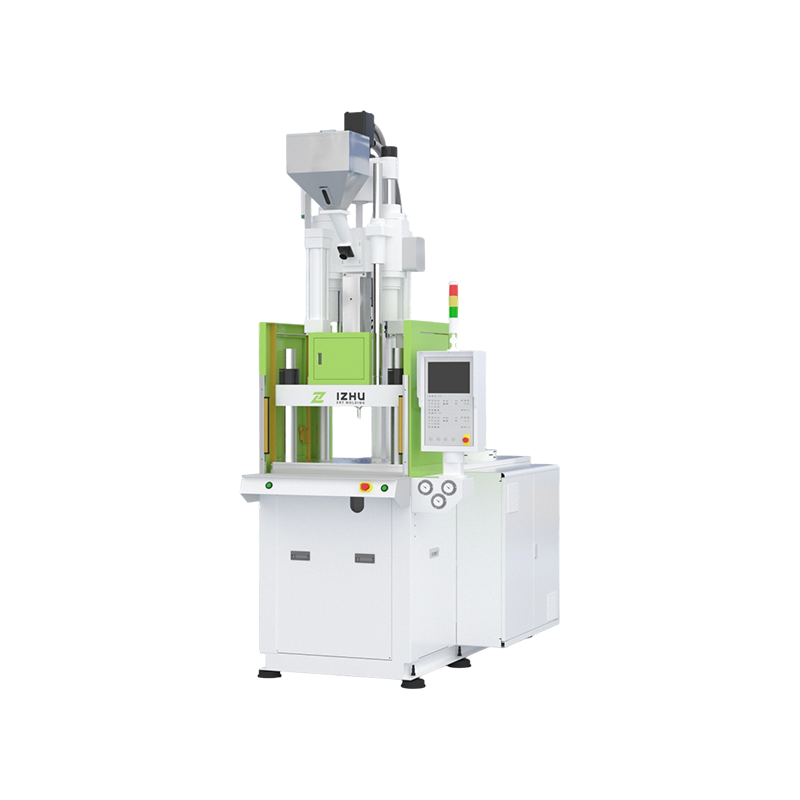
The sliding vertical injection molding machine operates on a unique sliding table system that distinguishes it from conventional vertical molding machines. This sliding mechanism allows for horizontal movement of the mold, enabling faster and more efficient mold changes. Unlike traditional vertical machines that require a fixed setup, the sliding system makes it easier to load and unload molds, which is particularly useful for industries that demand quick turnaround times and high-volume production.
Key Components and Features of the Sliding Vertical Injection Molding Machine
- Sliding Mechanism: The core feature of this machine, which allows for horizontal movement, speeding up mold changes and ensuring better accessibility during production.
- Vertical Injection Unit: Ensures consistent material injection under high pressure, contributing to the precision and uniformity of the molded parts.
- Clamping System: Uses a robust clamping force to hold the mold securely, reducing the risk of defects and ensuring uniform quality in the finished product.
- Automated Part Ejection: Integrated robotic systems that handle part ejection automatically, reducing cycle time and manual labor, thus improving production efficiency.
- Temperature and Pressure Control Systems: Advanced control systems monitor and adjust temperature, pressure, and injection speed to optimize molding conditions and improve product quality.
Advantages of Sliding Vertical Injection Molding Machines
Sliding vertical injection molding machines bring numerous benefits that improve manufacturing efficiency and product quality. Below are some of the key advantages of adopting this machine in production lines:
1. Speed and Efficiency
One of the standout features of sliding vertical injection molding machines is their ability to reduce cycle times significantly. The sliding mechanism allows for faster mold handling, while automated processes minimize manual intervention. This not only speeds up production but also optimizes the entire manufacturing workflow, resulting in higher throughput and greater efficiency. Manufacturers can achieve faster time-to-market and improve their competitive edge in fast-paced industries.
2. Superior Precision and Part Quality
Precision is a critical factor in industries such as automotive, electronics, and medical device manufacturing. Sliding vertical injection molding machines are designed to maintain tight tolerances and produce high-quality parts with minimal defects. The vertical injection mechanism ensures that the material is injected evenly into the mold cavity, reducing the likelihood of inconsistencies. Moreover, the automated systems provide real-time adjustments to temperature and pressure, ensuring that each part meets the desired specifications.
3. Space Efficiency and Compact Design
With a compact design, sliding vertical injection molding machines require less floor space compared to traditional vertical molding machines. This is especially beneficial for manufacturers with limited space or those who need to maximize production capacity without expanding their facilities. The space-saving design also makes it easier to integrate multiple machines into a production line, further enhancing operational efficiency.
4. Energy Efficiency and Cost Savings
Sliding vertical injection molding machines are more energy-efficient compared to traditional machines, thanks to their reduced cycle times and automated features. The ability to control energy consumption in real time, combined with faster production speeds, leads to significant cost savings in the long run. Furthermore, the machine’s durable construction and lower maintenance requirements contribute to reduced operational costs, ensuring a higher return on investment.
5. Versatility for Various Industries
Another major benefit of sliding vertical injection molding machines is their versatility. These machines are capable of processing a wide range of materials, including thermoplastics, thermosets, elastomers, and more. The ability to handle different material types allows manufacturers to cater to various industries, from automotive to medical to consumer goods. This flexibility makes them an excellent choice for companies looking to diversify their product offerings while maintaining high production standards.
Applications of Sliding Vertical Injection Molding Machines
Sliding vertical injection molding machines are used in a variety of industries where high precision, flexibility, and efficiency are required. Some of the most prominent applications include:
1. Automotive Industry
The automotive industry demands precision-engineered components that meet strict safety and performance standards. Sliding vertical injection molding machines are used to produce parts such as connectors, under-the-hood components, dashboard parts, and housings. These machines allow manufacturers to meet the high-volume and high-precision requirements of automotive production lines while ensuring cost-efficiency and reduced cycle times.
2. Electronics and Consumer Goods
In the electronics sector, sliding vertical injection molding machines are used to produce small, intricate components such as connectors, housings, and frames for smartphones, computers, and other electronic devices. The precise molding capabilities of these machines are essential for producing parts with tight tolerances. Similarly, in consumer goods manufacturing, sliding vertical machines are used to create durable, high-quality components for products ranging from kitchenware to household appliances.
3. Medical Device Manufacturing
Medical devices require the highest standards of precision and reliability. Sliding vertical injection molding machines are ideal for producing medical components such as syringes, valve housings, connectors, and other critical parts. The ability to maintain strict control over temperature, pressure, and injection speed ensures that each part meets regulatory standards and performs as expected in medical applications.
4. Aerospace and Defense
In the aerospace industry, components must be lightweight, durable, and able to withstand extreme conditions. Sliding vertical injection molding machines are used to produce parts such as housings, seals, and other critical components that require both high precision and material integrity. The ability to mold materials with high strength-to-weight ratios makes these machines suitable for the rigorous demands of aerospace production.
Comparing Sliding Vertical Injection Molding Machines with Traditional Molding Machines
| Feature | Sliding Vertical Injection Molding Machine | Traditional Vertical Injection Molding Machine |
|---|---|---|
| Cycle Time | Faster cycle times due to sliding mechanism and automated mold changes. | Longer cycle times, especially with manual mold changes. |
| Flexibility | High flexibility in handling different materials and mold designs. | Less flexible, suited for specific, simpler parts. |
| Production Speed | Higher production speeds, ideal for high-volume manufacturing. | Slower, with more manual intervention required. |
| Automation | Highly automated with robotic handling, reducing manual labor. | Limited automation, requiring more manual labor. |
| Space Efficiency | Compact design requiring less floor space. | Requires larger footprint for mold handling and clamping systems. |
| Cost | Lower long-term operational costs due to faster cycles and reduced energy consumption. | Higher operational costs, particularly due to longer cycle times. |
Frequently Asked Questions (FAQ)
1. What types of parts are best suited for sliding vertical injection molding?
Sliding vertical injection molding machines are ideal for parts that require high precision, complex geometries, or materials that need to be injected at different speeds or pressures. These machines excel in producing small to medium-sized parts for industries such as automotive, electronics, and medical devices.
2. Can sliding vertical injection molding machines handle multi-material molding?
Yes, many sliding vertical injection molding machines are equipped for multi-material molding, which allows manufacturers to produce parts with different material properties in a single cycle. This feature is especially useful for creating components that require different levels of strength, flexibility, or other material characteristics.
3. What are the key factors that affect the performance of a sliding vertical injection molding machine?
Key factors include the material type, mold design, machine calibration, and maintenance practices. Ensuring the machine is properly maintained and calibrated will result in optimal performance. Regular checks of the sliding mechanism, clamping system, and control panel are critical to maintaining the machine's efficiency and reliability.
4. How can I optimize my production line with a sliding vertical injection molding machine?
Optimizing your production line with a sliding vertical injection molding machine involves ensuring proper machine setup, utilizing automated systems for mold handling and part ejection, and regularly monitoring machine performance. Additionally, integrating real-time data analysis for temperature, pressure, and material flow can further enhance production efficiency.
Conclusion
Sliding vertical injection molding machines have revolutionized the injection molding industry, offering manufacturers unparalleled benefits in terms of speed, precision, space efficiency, and versatility. These machines are ideal for industries that require high-quality, complex parts produced in high volumes, such as automotive, medical, electronics, and aerospace. As technology continues to advance, the sliding vertical injection molding machine will likely play an even more significant role in optimizing manufacturing processes and meeting the demands of the modern production environment.
News categories
Product categories
Exhibition Information
-
How to choose high cost-effective standard vertical injection molding machines?
Oct 10,2025 -
Key points for maintenance and upkeep of the mechanical part of the vertical injection molding machine
Oct 10,2025 -
Why do the medical and 3C industries favor vertical electric injection molding machines?
Oct 10,2025
Content
- 1 Introduction to Sliding Vertical Injection Molding Machines
- 2 How Sliding Vertical Injection Molding Machines Work
- 3 Advantages of Sliding Vertical Injection Molding Machines
- 4 Applications of Sliding Vertical Injection Molding Machines
- 5 Comparing Sliding Vertical Injection Molding Machines with Traditional Molding Machines
- 6 Frequently Asked Questions (FAQ)
- 6.1 1. What types of parts are best suited for sliding vertical injection molding?
- 6.2 2. Can sliding vertical injection molding machines handle multi-material molding?
- 6.3 3. What are the key factors that affect the performance of a sliding vertical injection molding machine?
- 6.4 4. How can I optimize my production line with a sliding vertical injection molding machine?
- 7 Conclusion

-
 +86-(0)512-6598 3406
 -
 +86-138 6210 7502
 -

-
 Zhaoyao Science and Technology Park, No. 573 Ruyuan Road, Chengyang Subdistrict, Xiangcheng District, Suzhou, Jiangsu Province, China
Copyright © 2025 Suzhou Lizhu Machinery Co., Ltd. All Rights Reserved.
China precision injection molding machine manufacturers custom precision injection molding machine supplier
