 中文简体
中文简体
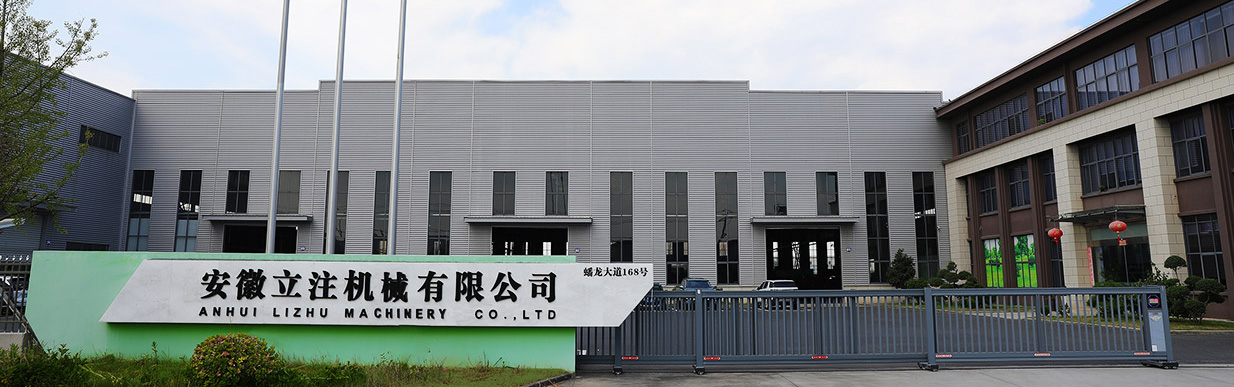
LIZHU Machinery Co., Ltd. was founded in 2011, is a leading company in high-speed precision injection molding...
View More
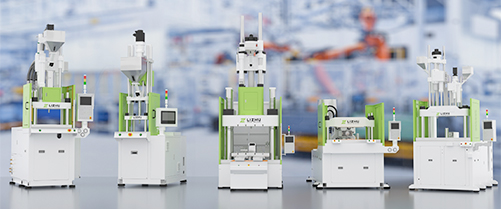
At present, we have various models of standard machines, skateboard machines, disc machines, and multi-color machines under 2000 tons.
View More
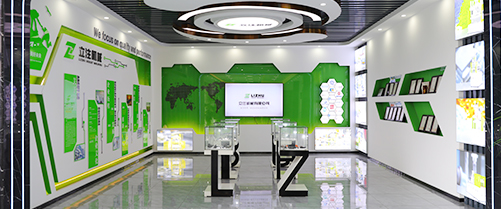
Check out the latest from the injection molding machine about the topics relevant to your industry and manufacturing process.
View More

Industry News
Home / News / Industry News / Why Is a Precision Injection Molding Machine Essential for High-Accuracy Manufacturing?
 Home / News / Industry News / Why Is a Precision Injection Molding Machine Essential for High-Accuracy Manufacturing?
 Why Is a Precision Injection Molding Machine Essential for High-Accuracy Manufacturing?
2026-03-24
In modern manufacturing, achieving high precision and consistent quality is a critical factor for success. A Precision Injection Molding Machine plays an indispensable role in producing complex and high-accuracy components, ensuring tight tolerances, reducing material waste, and enhancing overall production efficiency. From automotive parts to medical devices, industries that require precision rely heavily on these machines to maintain competitive quality standards.
What Is a Precision Injection Molding Machine?
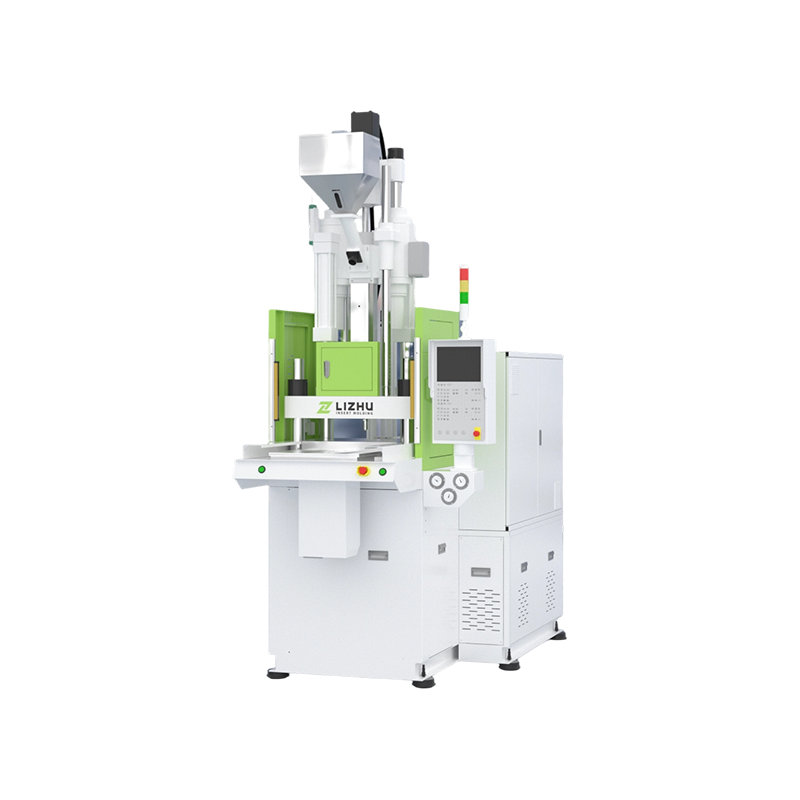
A Precision Injection Molding Machine is an advanced manufacturing system designed to produce plastic components with extremely tight tolerances and consistent quality. Unlike conventional molding machines, precision machines incorporate sophisticated control systems, high-quality components, and optimized clamping mechanisms that allow for precise control over temperature, pressure, injection speed, and mold alignment.
Key Features of Precision Injection Molding Machines
- High Accuracy: Maintains dimensional tolerances often within microns, ideal for critical components.
- Stable Injection Pressure: Reduces warping and shrinkage in molded parts.
- Advanced Temperature Control: Ensures uniform melting and consistent material flow.
- Servo-Driven Systems: Provide precise motion control for the injection and clamping process.
- Enhanced Mold Protection: Minimizes wear and extends the life of expensive molds.
Why High-Accuracy Manufacturing Requires Precision Injection Molding
In high-accuracy manufacturing, even a small deviation can lead to defective parts, increased waste, and costly rework. Using a Precision Injection Molding Machine ensures:
- Consistent Part Quality: High repeatability minimizes variations across production batches.
- Tight Tolerance Control: Critical for components in medical, aerospace, and electronics industries.
- Material Efficiency: Accurate injection reduces excess material usage, lowering production costs.
- Reduced Defects: Lower risk of warping, sink marks, and dimensional errors.
- Enhanced Production Speed: Optimized cycles without compromising quality.
Comparison Between Standard and Precision Injection Molding Machines
| Feature | Standard Injection Molding Machine | Precision Injection Molding Machine |
| Dimensional Tolerance | ±0.2–0.5 mm | ±0.01–0.05 mm |
| Injection Pressure Control | Limited | Highly precise with servo control |
| Cycle Consistency | Moderate variation | High repeatability |
| Material Waste | Higher | Minimal |
| Application Suitability | General parts | Medical, electronics, automotive, aerospace |
Applications of Precision Injection Molding Machines
The versatility and accuracy of precision injection molding machines make them indispensable in industries where high-quality standards are non-negotiable:
- Medical Devices: Syringes, surgical components, and implants require micron-level precision.
- Automotive Industry: Engine components, sensors, and connectors demand tight tolerances.
- Electronics: Connectors, housings, and micro-components benefit from precise molding for functionality and durability.
- Aerospace: Lightweight, high-strength components require perfect dimensional control.
- Consumer Products: High-quality plastic components for gadgets and tools benefit from consistent production quality.
Advantages of Using Precision Injection Molding Machines
- Improved Product Quality: Every part meets exact specifications with reduced defects.
- Cost-Effective Production: Lower material waste and fewer rejects reduce overall production costs.
- High Efficiency: Faster cycles without compromising accuracy improve throughput.
- Enhanced Flexibility: Capable of handling complex geometries and multi-material components.
- Long-Term Reliability: Servo systems and precise control reduce wear on molds and machine parts.
Tips for Optimizing High-Precision Injection Molding
Even with a Precision Injection Molding Machine, achieving the best results requires careful setup and monitoring:
- Regular Maintenance: Keep all components in optimal condition for consistent performance.
- Temperature Calibration: Ensure barrel and mold temperatures are precisely controlled.
- Proper Material Handling: Use high-quality resins and maintain moisture control.
- Cycle Optimization: Adjust injection speed, pressure, and cooling time for each part.
- Mold Alignment: Check clamping and alignment to avoid flash or deformation.
Frequently Asked Questions (FAQ)
Q1: What industries benefit the most from a Precision Injection Molding Machine?
Industries like medical, automotive, aerospace, and electronics benefit the most due to their stringent quality and dimensional requirements.
Q2: Can a Precision Injection Molding Machine handle multi-material molding?
Yes, many precision machines are capable of multi-material injection molding, allowing for complex, integrated components in a single cycle.
Q3: How does it differ from a standard injection molding machine?
Compared to standard machines, precision machines offer tighter tolerances, superior repeatability, advanced servo control, and minimal material waste.
Q4: Is it cost-effective for small production runs?
While precision machines have higher initial costs, their reduced waste, improved quality, and minimized defects make them cost-effective even for small runs, especially for high-value components.
Q5: How important is mold design in precision injection molding?
Mold design is critical; a well-designed mold ensures proper flow, minimal shrinkage, and accurate part dimensions, maximizing the capabilities of a precision injection molding machine.
Conclusion
A Precision Injection Molding Machine is essential for high-accuracy manufacturing because it ensures consistent quality, tight tolerances, and efficient production. Its advanced control systems, precise motion, and mold protection capabilities make it the preferred choice for industries that cannot compromise on precision. By investing in a precision injection molding machine, manufacturers can enhance product quality, reduce waste, and maintain a competitive edge in today's demanding market.
News categories
Product categories
Exhibition Information
-
How to choose high cost-effective standard vertical injection molding machines?
Oct 10,2025 -
Key points for maintenance and upkeep of the mechanical part of the vertical injection molding machine
Oct 10,2025 -
Why do the medical and 3C industries favor vertical electric injection molding machines?
Oct 10,2025
Content
- 1 What Is a Precision Injection Molding Machine?
- 2 Why High-Accuracy Manufacturing Requires Precision Injection Molding
- 3 Applications of Precision Injection Molding Machines
- 4 Advantages of Using Precision Injection Molding Machines
- 5 Tips for Optimizing High-Precision Injection Molding
- 6 Frequently Asked Questions (FAQ)
- 6.1 Q1: What industries benefit the most from a Precision Injection Molding Machine?
- 6.2 Q2: Can a Precision Injection Molding Machine handle multi-material molding?
- 6.3 Q3: How does it differ from a standard injection molding machine?
- 6.4 Q4: Is it cost-effective for small production runs?
- 6.5 Q5: How important is mold design in precision injection molding?
- 7 Conclusion

-
 +86-(0)512-6598 3406
 -
 +86-138 6210 7502
 -

-
 Zhaoyao Science and Technology Park, No. 573 Ruyuan Road, Chengyang Subdistrict, Xiangcheng District, Suzhou, Jiangsu Province, China
Copyright © 2025 Suzhou Lizhu Machinery Co., Ltd. All Rights Reserved.
China precision injection molding machine manufacturers custom precision injection molding machine supplier
