 中文简体
中文简体
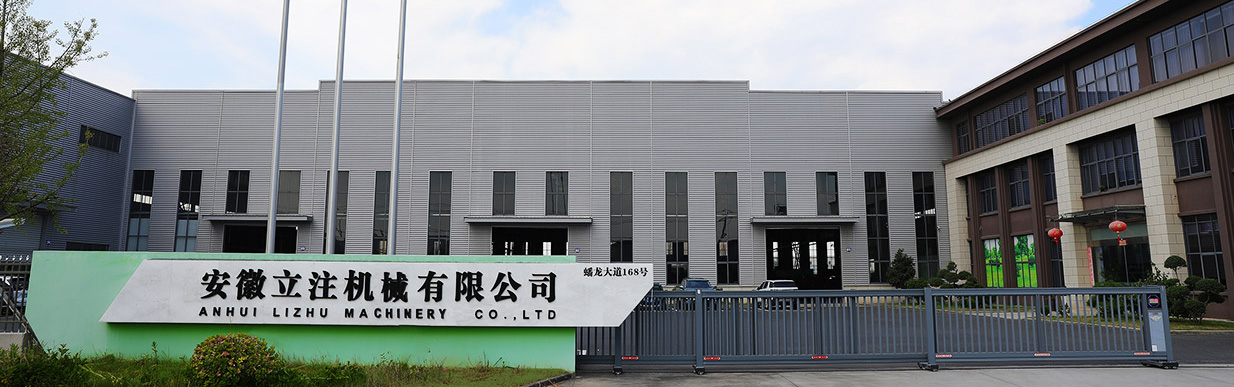
LIZHU Machinery Co., Ltd. was founded in 2011, is a leading company in high-speed precision injection molding...
View More
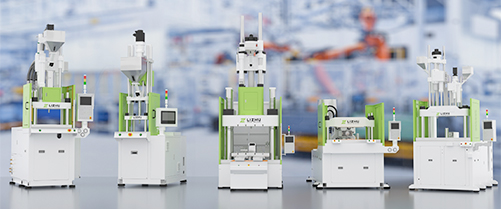
At present, we have various models of standard machines, skateboard machines, disc machines, and multi-color machines under 2000 tons.
View More
Check out the latest from the injection molding machine about the topics relevant to your industry and manufacturing process.
View More

Industry News
Home / News / Industry News / What Technical Parameters Should You Evaluate in a Precision Injection Molding Machine?
 Home / News / Industry News / What Technical Parameters Should You Evaluate in a Precision Injection Molding Machine?
 What Technical Parameters Should You Evaluate in a Precision Injection Molding Machine?
2026-03-20
When selecting a precision injection molding machine, the most critical technical parameters to evaluate include clamping force, injection pressure, shot size, injection speed, plasticizing capacity, repeatability, and control system accuracy. These parameters directly determine whether a machine can consistently produce tight-tolerance, high-quality parts. This guide breaks down each parameter in detail to help engineers, procurement managers, and manufacturers make informed decisions.
Why Technical Parameters Matter in Precision Injection Molding
A precision injection molding machine is not merely a standard injection press — it is an engineered system designed to achieve dimensional tolerances as tight as ±0.005 mm or better. In industries such as medical devices, optics, automotive electronics, and microfluidics, even minor deviations in machine performance can result in mass defects, costly rework, or complete product failure.
Unlike general-purpose injection molding equipment, precision machines must deliver repeatable, stable, and controllable process conditions across every single shot. This is why a thorough evaluation of technical parameters is essential before investment.
1. Clamping Force: The Foundation of Part Accuracy
Clamping force is measured in kilonewtons (kN) or tonnes and represents the force holding the mold closed during injection. Insufficient clamping force leads to mold flash and dimensional inaccuracy.
How to Calculate Required Clamping Force
The basic formula is: Clamping Force = Projected Area × Cavity Pressure. For precision parts, cavity pressure typically ranges from 30 MPa to over 100 MPa depending on material and geometry. For precision injection molding machines, it is critical that the clamping unit maintains uniform platen parallelism — typically within 0.02 mm across the full mold mounting area.
Toggle vs. Hydraulic vs. Electric Clamping
| Clamping Type | Precision Level | Energy Efficiency | Maintenance | Best For |
| Toggle | Medium–High | Medium | Moderate | High-volume production |
| Hydraulic | High | Low | Higher | Large parts, complex molds |
| All-Electric | Very High | Very High | Low | Precision micro parts, medical |
2. Injection Pressure and Speed: Core Precision Drivers
Injection pressure (MPa or bar) and injection speed (mm/s) are the two parameters most directly tied to part quality in any precision injection molding machine.
Injection Pressure
- Precision machines typically offer maximum injection pressures of 180–250 MPa, with some micro-molding machines reaching 300+ MPa.
- High-precision applications such as optical lenses require consistent, programmable pressure profiles.
- Look for machines offering closed-loop pressure feedback to maintain pressure accuracy within ±0.5%.
Injection Speed
- High-speed injection (up to 1000 mm/s on some electric machines) is essential for thin-wall and micro-molding applications.
- Multi-stage, programmable speed profiles allow process engineers to fine-tune fill behavior.
- Velocity repeatability should be within ±0.1% for precision-grade equipment.
3. Shot Size and Shot Weight Repeatability
For a precision injection molding machine, shot weight repeatability — the ability to deliver exactly the same amount of material in every cycle — is far more important than nominal shot size.
Standard vs. Precision Machine: Key Metrics
| Parameter | Standard Machine | Precision Machine |
| Shot weight repeatability | ±0.5–1.0% | ±0.02–0.1% |
| Screw position repeatability | ±0.1 mm | ±0.005–0.01 mm |
| Cushion consistency | ±0.5 mm | ±0.01–0.05 mm |
4. Plasticizing Capacity and Screw Design
For precision injection molding machines, the plasticizing unit must achieve:
- Melt temperature uniformity: Variation within ±2°C for high-precision applications.
- Screw L/D ratio: Typically 20:1 to 25:1 for thorough plasticization.
- Closed-loop backpressure control: Ensures consistent melt density and homogeneity.
- Hardened bimetallic or nitrided screws: Resist wear when processing abrasive or filled engineering resins.
5. Control System Accuracy and Programmability
The control system is the intelligence of a precision injection molding machine. Essential features include:
- Multi-stage injection profiling: Program up to 20+ stages of speed and pressure independently.
- Real-time process monitoring: In-cycle monitoring of melt pressure, temperature, screw position, and fill time.
- SPC integration: Built-in or exportable data for Cpk monitoring.
- Closed-loop cavity pressure control: The gold standard for optical and medical applications.
- Cycle time resolution: Timer resolution of 0.01 seconds or better.
6. Temperature Control Zones and Stability
- Temperature stability: Precision machines should maintain set temperatures within ±0.5°C continuously.
- Multiple independent zones: Allow finer melt profile control along the barrel.
- Nozzle temperature control: Prevents drool, stringing, and cold slugs.
- TCU compatibility: Integration with external temperature control units for mold temperature uniformity.
7. Machine Rigidity and Dry Cycle Time
Machine frame rigidity directly affects platen parallelism under load and dimensional consistency of molded parts. Look for FEA-optimized frames, tie bar strain uniformity specifications, and low thermal expansion platens. Dry cycle time indicates machine responsiveness — shorter dry cycle reflects faster servo drives and more rigid mechanical design.
8. Hydraulic vs. All-Electric Precision Injection Molding Machines: Full Comparison
| Evaluation Criteria | Hydraulic | All-Electric | Hybrid |
| Repeatability | Good | Excellent | Very Good |
| Injection Speed | High | Very High | High |
| Energy Consumption | High | Low (–50–70%) | Medium |
| Cleanliness | Oil contamination risk | Cleanroom compatible | Semi-compatible |
| Capital Cost | Lower | Higher | Medium |
| Maintenance Cost | Higher (hydraulic fluid) | Lower | Medium |
| Best Application | Large structural parts | Medical, optical, micro | Multi-purpose precision |
9. Additional Parameters: Ejection, Platen, and Noise
Ejection System Precision
- Programmable ejector profiles (position, force, speed)
- Ejector position repeatability within ±0.01 mm
- Vibration-free ejection for fragile micro-parts
Tie Bar Spacing and Noise Level
For precision injection molding machines handling multi-cavity micro-molds, a compact platen with extremely tight parallelism tolerance is more important than overall size. All-electric machines typically operate below 70 dB(A), making them suitable for clean manufacturing environments.
Frequently Asked Questions (FAQ)
Q: What is the most important parameter in a precision injection molding machine?
Shot weight repeatability and injection pressure control are arguably the most critical, as they directly determine dimensional consistency across production runs. However, all parameters are interdependent — a high-precision machine must excel across all of them simultaneously.
Q: How does clamping force affect part precision?
Inadequate clamping force allows the mold to flex or open slightly during injection, causing flash, dimensional deviation, and inconsistent wall thickness. Precision machines ensure clamping force is applied evenly through high-rigidity frames and closed-loop clamping control.
Q: Is an all-electric machine always better for precision molding?
All-electric machines offer superior repeatability, energy efficiency, and cleanliness, making them ideal for medical, optical, and micro-molding applications. However, hydraulic and hybrid machines can achieve comparable precision for larger parts and may offer cost advantages for specific applications.
Q: What tolerances can a precision injection molding machine achieve?
Modern precision injection molding machines, combined with well-designed molds and optimized processes, can achieve dimensional tolerances of ±0.005 mm to ±0.02 mm for small parts. Micro-molding machines can achieve even tighter tolerances in some cases.
Q: How important is the control system in precision injection molding?
The control system is the nerve center of a precision injection molding machine. Without accurate, fast-responding closed-loop controls on injection speed, pressure, temperature, and position, even the most mechanically refined machine will fail to deliver consistent precision parts in production.
Q: Can a standard injection molding machine be upgraded to precision grade?
In most cases, no. Precision performance depends on fundamental mechanical rigidity, drive system design, and control architecture that cannot be retrofitted economically. Investing in a purpose-built precision injection molding machine is the reliable path to achieving tight tolerances consistently.
Conclusion: Your Evaluation Checklist
Selecting the right precision injection molding machine requires systematic evaluation of multiple interdependent technical parameters.
- Clamping force and platen parallelism specification
- Injection pressure range and closed-loop accuracy
- Injection speed range and velocity repeatability
- Shot weight repeatability (target: ≤±0.1%)
- Screw position repeatability (target: ≤±0.01 mm)
- Temperature stability across all zones (target: ±0.5°C)
- Control system: multi-stage profiling, SPC, real-time monitoring
- Machine type: all-electric for cleanroom/micro; hydraulic for large tonnage
- Ejection system precision and programmability
By rigorously evaluating each of these parameters against your application's specific requirements, you will be well-equipped to select a precision injection molding machine that delivers consistent quality, competitive cycle times, and long-term process capability.
News categories
Product categories
Exhibition Information
-
How to choose high cost-effective standard vertical injection molding machines?
Oct 10,2025 -
Key points for maintenance and upkeep of the mechanical part of the vertical injection molding machine
Oct 10,2025 -
Why do the medical and 3C industries favor vertical electric injection molding machines?
Oct 10,2025
Content
- 1 Why Technical Parameters Matter in Precision Injection Molding
- 2 1. Clamping Force: The Foundation of Part Accuracy
- 3 2. Injection Pressure and Speed: Core Precision Drivers
- 4 3. Shot Size and Shot Weight Repeatability
- 5 4. Plasticizing Capacity and Screw Design
- 6 5. Control System Accuracy and Programmability
- 7 6. Temperature Control Zones and Stability
- 8 7. Machine Rigidity and Dry Cycle Time
- 9 8. Hydraulic vs. All-Electric Precision Injection Molding Machines: Full Comparison
- 10 9. Additional Parameters: Ejection, Platen, and Noise
- 11 Frequently Asked Questions (FAQ)
- 12 Conclusion: Your Evaluation Checklist

-
 +86-(0)512-6598 3406
 -
 +86-138 6210 7502
 -

-
 Zhaoyao Science and Technology Park, No. 573 Ruyuan Road, Chengyang Subdistrict, Xiangcheng District, Suzhou, Jiangsu Province, China
Copyright © 2025 Suzhou Lizhu Machinery Co., Ltd. All Rights Reserved.
China precision injection molding machine manufacturers custom precision injection molding machine supplier
