 中文简体
中文简体
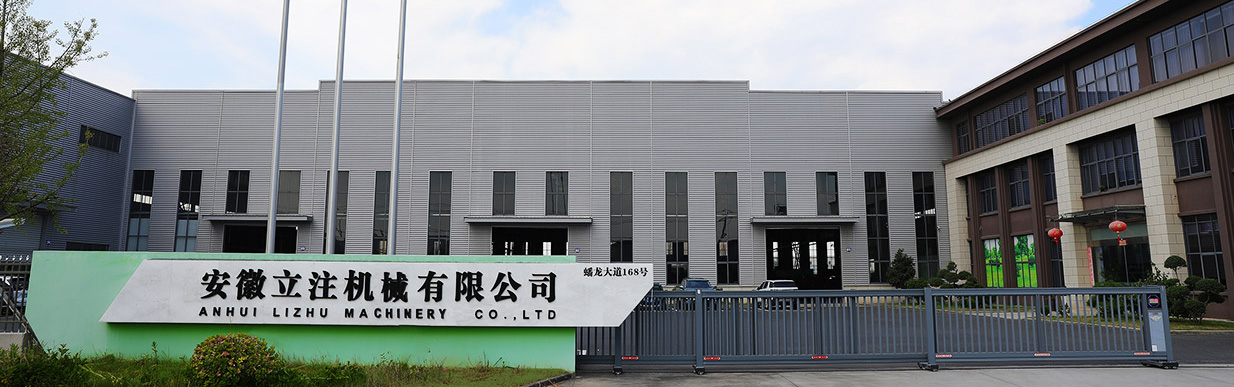
LIZHU Machinery Co., Ltd. was founded in 2011, is a leading company in high-speed precision injection molding...
View More
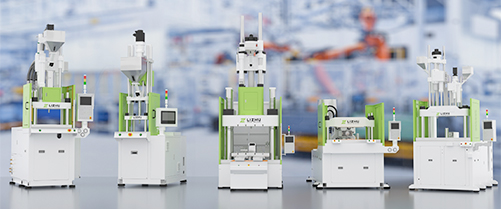
At present, we have various models of standard machines, skateboard machines, disc machines, and multi-color machines under 2000 tons.
View More
Check out the latest from the injection molding machine about the topics relevant to your industry and manufacturing process.
View More

Industry News
Home / News / Industry News / How Does Temperature and Pressure Control Affect a Precision Injection Molding Machine?
 Home / News / Industry News / How Does Temperature and Pressure Control Affect a Precision Injection Molding Machine?
 How Does Temperature and Pressure Control Affect a Precision Injection Molding Machine?
2026-04-02
In the realm of high-end manufacturing, the performance of a precision injection molding machine is defined by its ability to maintain absolute consistency across thousands of cycles. The short answer to how temperature and pressure affect these machines is dimensional stability and structural integrity. Precise temperature control ensures the polymer reaches the ideal viscosity for flow, while meticulous pressure regulation dictates how well the material packs into the mold cavity, eliminating defects like shrinkage, warping, or flash.
The Critical Synergy of Thermal and Kinetic Forces
To understand the impact, one must view a precision injection molding machine as a delicate balancing act. Modern plastics are non-Newtonian fluids; their behavior changes drastically based on how hot they are and how hard they are pushed. If either variable fluctuates by even 1%, the resulting part may fail tolerances that are often measured in microns.
1. Temperature: The Foundation of Flow
Temperature control starts at the hopper and extends to the nozzle. Within a precision injection molding machine, the barrel is divided into multiple heating zones.
- Melt Uniformity: Uneven heating creates "hot spots" or un-melted pellets, leading to structural weak points.
- Viscosity Management: Higher temperatures lower viscosity, allowing for easier flow into thin-walled sections, but excessive heat can degrade the polymer chains.
- Cooling Rate: The mold temperature is just as vital. It dictates the crystallization of the plastic, affecting the final clarity and strength of the part.
2. Pressure: The Architect of Form
Pressure in a precision injection molding machine is generally categorized into injection pressure, packing pressure, and back pressure.
- Injection Pressure: This overcomes the resistance of the runner system and gate to fill the cavity.
- Holding/Packing Pressure: Once the mold is full, this pressure is maintained to compensate for material shrinkage as it cools.
- Back Pressure: This ensures the screw retracts consistently, guaranteeing a uniform "shot size" for the next cycle.
Comparative Analysis: Standard vs. Precision Control
Why invest in a high-spec precision injection molding machine? The following table highlights the operational differences when control systems are optimized for precision.
| Feature | Standard Molding Machine | Precision Injection Molding Machine |
|---|---|---|
| Temp. Tolerance | ±3.0°C to 5.0°C | ±0.1°C to 0.5°C |
| Pressure Response | Hydraulic lag (100ms+) | Servo/Electric (1ms - 10ms) |
| Product Consistency | High variance; manual adjustments | Near-zero variance; automated compensation |
| Scrap Rate | 2% - 5% | Under 0.1% |
The Impact of Deviations on Part Quality
When a precision injection molding machine fails to regulate these two pillars, several physical defects occur:
Short Shots and Flash
If the pressure is too low or the temperature is insufficient to melt the plastic fully, the material won't reach the end of the mold cavity, resulting in a short shot. Conversely, if the precision injection molding machine applies too much pressure or the temperature makes the plastic too "runny," material will seep into the parting lines of the mold, creating flash (excess thin plastic that must be trimmed).
Internal Stress and Warping
Precision parts, such as those used in medical devices or optics, cannot afford internal stresses. If the precision injection molding machine cools the part too quickly (poor mold temperature control) or packs it unevenly (poor pressure control), the molecules "freeze" in a state of tension. Once the part is ejected, it will bend or warp as those stresses relax.
Technological Innovations in Control
Modern precision injection molding machine technology utilizes Closed-Loop Control. This system uses real-time sensors to feed data back to the controller.
- PID Controllers: Proportional-Integral-Derivative algorithms allow the machine to predict temperature overshoots and adjust power to the heater bands before the error occurs.
- Direct-Drive Servos: These provide instantaneous pressure adjustments, allowing the precision injection molding machine to switch from injection to holding pressure with millisecond accuracy.
Frequently Asked Questions (FAQ)
Q: Can I achieve precision results on a standard machine just by upgrading the sensors?
A: While better sensors help, a true precision injection molding machine features a rigid frame, high-speed controllers, and specialized screw designs that a standard machine lacks. Hardware and software must work in tandem.
Q: Which is more important: Melt temperature or Mold temperature?
A: Both are vital, but they serve different purposes. Melt temperature affects how the part fills, while mold temperature affects how the part finishes and shrinks. For a precision injection molding machine, they are two halves of the same whole.
Q: How does ambient room temperature affect the machine?
A: Significant fluctuations in factory floor temperature can affect the machine's oil viscosity (if hydraulic) and the cooling efficiency of the water lines. High-end precision injection molding machine setups often operate in climate-controlled environments for this reason.
Conclusion
Ultimately, the mastery of temperature and pressure is what separates a generic plastic part from a high-performance component. By leveraging the advanced capabilities of a precision injection molding machine, manufacturers can guarantee repeatability, reduce waste, and push the boundaries of what is possible in polymer engineering. The investment in precise control systems pays for itself through lower scrap rates and the ability to take on the most demanding technical projects in the industry.
News categories
Product categories
Exhibition Information
-
How to choose high cost-effective standard vertical injection molding machines?
Oct 10,2025 -
Key points for maintenance and upkeep of the mechanical part of the vertical injection molding machine
Oct 10,2025 -
Why do the medical and 3C industries favor vertical electric injection molding machines?
Oct 10,2025

-
 +86-(0)512-6598 3406
 -
 +86-138 6210 7502
 -

-
 Zhaoyao Science and Technology Park, No. 573 Ruyuan Road, Chengyang Subdistrict, Xiangcheng District, Suzhou, Jiangsu Province, China
Copyright © 2025 Suzhou Lizhu Machinery Co., Ltd. All Rights Reserved.
China precision injection molding machine manufacturers custom precision injection molding machine supplier
