 中文简体
中文简体
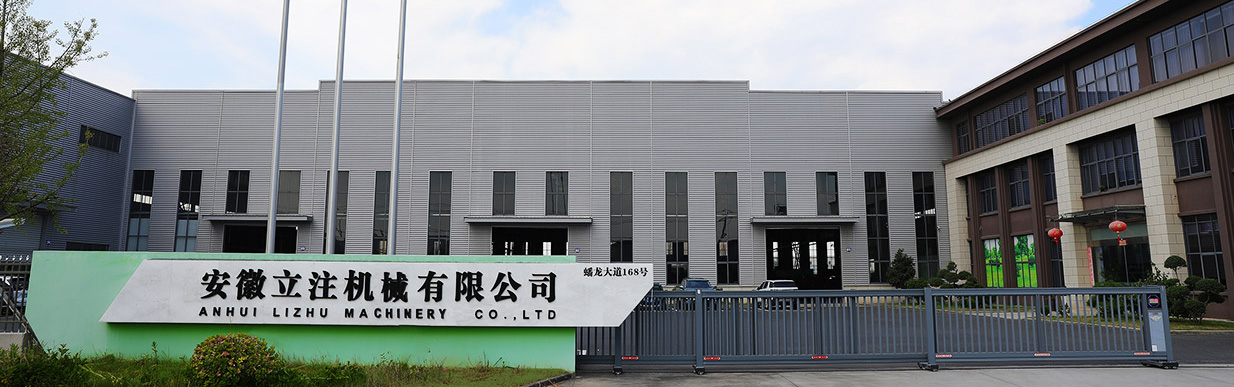
LIZHU Machinery Co., Ltd. was founded in 2011, is a leading company in high-speed precision injection molding...
View More
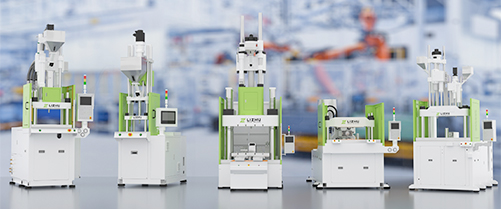
At present, we have various models of standard machines, skateboard machines, disc machines, and multi-color machines under 2000 tons.
View More
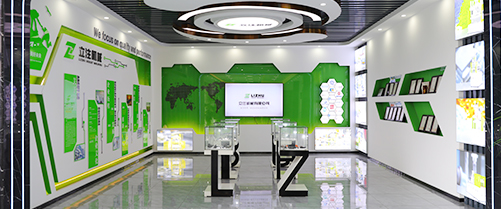
Check out the latest from the injection molding machine about the topics relevant to your industry and manufacturing process.
View More

Industry News
Home / News / Industry News / What Is the Biggest Injection Molding Machine in the World and Why Does It Matter?
 Home / News / Industry News / What Is the Biggest Injection Molding Machine in the World and Why Does It Matter?
 What Is the Biggest Injection Molding Machine in the World and Why Does It Matter?
2026-06-12
The biggest injection molding machine in the world currently exceeds 85,000 tons of clamping force, a scale large enough to produce a single-piece automotive underbody in one shot. These giant presses are reshaping how manufacturers build cars, appliances, and large industrial parts by eliminating the need to weld or bolt multiple components together.
This article explains what defines the largest machines on the market, why manufacturers are racing to build bigger presses, how they compare to standard equipment, and what this trend means for the future of plastics manufacturing.
How Big Is the Biggest Injection Molding Machine Today?
The largest production injection molding machines on the market today have clamping forces ranging from 80,000 to 85,000 tons, with some prototype systems being engineered to exceed 100,000 tons. For comparison, a typical small machine used for plastic caps or containers runs between 50 and 500 tons.
These ultra-large presses are primarily used to produce giga-castings for electric vehicles, where an entire vehicle floor structure can be molded as one piece instead of assembling 60 to 70 smaller stamped parts.
Key Specifications of Ultra-Large Machines
| Specification | Standard Large Machine | Biggest Injection Molding Machine |
|---|---|---|
| Clamping Force | 3,000 - 5,000 tons | 80,000 - 100,000 tons |
| Shot Weight | Up to 50 kg | Over 200 kg |
| Footprint Required | 200 - 400 sq meters | Over 1,000 sq meters |
| Power Consumption | 100 - 300 kW | 2,000+ kW |
| Typical Application | Bins, pallets, large enclosures | Vehicle body structures, giga-castings |
Comparison between a standard large injection molding machine and the biggest injection molding machines used for giga-casting applications.
Why Are Manufacturers Building Bigger Injection Molding Machines?
Manufacturers are building bigger machines mainly to cut production costs and reduce vehicle weight by molding large structural parts in a single shot. A single-piece molded component can replace dozens of stamped metal parts, reducing both material costs and assembly labor.
Main Drivers Behind the Trend
Cost reduction: Combining 60-70 stamped and welded parts into one molded piece can cut assembly costs by 20-40 percent according to industry estimates.
Weight savings: Large molded structures using lightweight composites or aluminum alloys can reduce vehicle body weight by up to 10 percent compared to traditional welded steel assemblies.
Production speed: A single molding cycle for a large structural part can take 90-120 seconds, far faster than the hours required to stamp, weld, and inspect dozens of individual components.
Factory floor space: Fewer assembly stations mean factories can shrink their production line footprint by as much as 30 percent.
Which Industries Use the Biggest Injection Molding Machines?
The automotive industry is the primary user of the biggest injection molding machines, particularly for electric vehicle manufacturing, followed by industrial equipment and large appliance sectors.
Industry Applications Compared
| Industry | Typical Part Produced | Approximate Clamping Force Needed |
|---|---|---|
| Automotive (EV) | Front/rear underbody structures | 60,000 - 100,000 tons |
| Industrial Equipment | Large machinery housings | 8,000 - 15,000 tons |
| Large Appliances | Refrigerator and washer panels | 3,000 - 6,000 tons |
| Logistics & Storage | Large pallets and containers | 2,000 - 5,000 tons |
Industry use cases showing the range of clamping force requirements, with automotive giga-casting demanding the highest tonnage by far.
How Does a Giga-Sized Injection Molding Machine Work?
A giga-sized injection molding machine works by using massive hydraulic or hybrid clamping units to hold an enormous mold closed while molten material, typically aluminum alloy in die-casting versions or engineering plastic in polymer versions, is injected at high pressure into the mold cavity.
Core Components of a Large-Scale Machine
Clamping unit: Uses multiple hydraulic cylinders working in parallel to generate tens of thousands of tons of force, preventing the mold from opening under injection pressure.
Injection unit: Delivers shot volumes far exceeding standard machines, often requiring multiple injection points to fill molds evenly across several meters of surface area.
Mold base: A single mold for these machines can weigh over 400 tons and require a dedicated overhead crane system for installation and maintenance.
Control system: Advanced sensors monitor temperature, pressure, and flow across the mold in real time to prevent warping or incomplete fills across such a large surface.
What Are the Benefits and Challenges of the Biggest Injection Molding Machines?
The biggest benefit is dramatic part consolidation and cost savings, while the biggest challenge is the enormous capital investment and facility requirements needed to operate these machines.
Benefits
Part consolidation: Reduces dozens of components into one or two pieces, simplifying supply chains.
Faster production cycles: Cycle times of under two minutes for parts that previously took hours to assemble.
Lower long-term per-unit cost: At high production volumes, per-part costs can drop significantly due to reduced labor and tooling complexity.
Challenges
High upfront cost: A single ultra-large machine can cost tens of millions of dollars, plus tens of millions more for the mold itself.
Facility requirements: Buildings need reinforced floors, tall ceilings, and dedicated power infrastructure to support machines exceeding 2,000 kW.
Repair complexity: A defect in a single large molded part means scrapping an entire structural section rather than replacing one small component.
Why Does the Size of an Injection Molding Machine Matter for Buyers?
The size of an injection molding machine matters because it directly determines the maximum part dimensions, shot weight, and production speed a manufacturer can achieve, which in turn affects total cost of ownership and return on investment.
Buyers should match machine size to actual part requirements rather than assuming bigger is always better. Oversized machines waste energy and floor space on smaller jobs, while undersized machines cannot meet production targets for large structural components.
Decision Factors When Sizing a Machine
Part size and weight: Larger parts require proportionally higher clamping force and shot capacity.
Production volume: High-volume programs justify the capital cost of larger machines through economies of scale.
Material type: Aluminum die-casting alloys require different clamping characteristics than thermoplastics.
Facility readiness: Power supply, floor load capacity, and crane availability must be confirmed before installation.
What Does the Future Hold for the Biggest Injection Molding Machines?
The future points toward even larger machines exceeding 100,000 tons of clamping force, paired with greater automation and energy efficiency improvements to offset the high power demands of these systems.
Industry analysts expect adoption of giga-sized machines to expand beyond automotive into sectors such as aerospace component manufacturing and large-scale renewable energy equipment, where single-piece structural parts can also reduce assembly time and improve part strength.
At the same time, machine builders are working on hybrid electric-hydraulic systems for these giants to reduce energy consumption by an estimated 20-30 percent compared to fully hydraulic designs, making the next generation of large machines both bigger and more efficient.
Frequently Asked Questions
What is the tonnage of the biggest injection molding machine?
The biggest injection molding machines currently in operation reach approximately 85,000 to 100,000 tons of clamping force, used mainly for automotive giga-casting applications.
How much does a giga-sized injection molding machine cost?
Costs vary widely, but ultra-large machines typically cost between 20 and 50 million dollars, with the mold itself sometimes costing as much or more than the machine.
Why are large injection molding machines used mainly for electric vehicles?
Electric vehicles benefit most because large single-piece body structures reduce weight and part count, which directly improves battery range and lowers manufacturing complexity.
Do smaller manufacturers need the biggest injection molding machines?
No, most smaller manufacturers do not need machines above 5,000 tons, as ultra-large machines are designed specifically for high-volume structural components rather than typical consumer products.
How long does it take to install a giga-sized injection molding machine?
Installation of an ultra-large machine typically takes several months, including facility reinforcement, power infrastructure setup, and mold installation using heavy cranes.
News categories
Product categories
Exhibition Information
-
How to choose high cost-effective standard vertical injection molding machines?
Oct 10,2025 -
Key points for maintenance and upkeep of the mechanical part of the vertical injection molding machine
Oct 10,2025 -
Why do the medical and 3C industries favor vertical electric injection molding machines?
Oct 10,2025
Content
- 1 How Big Is the Biggest Injection Molding Machine Today?
- 2 Why Are Manufacturers Building Bigger Injection Molding Machines?
- 3 Which Industries Use the Biggest Injection Molding Machines?
- 4 How Does a Giga-Sized Injection Molding Machine Work?
- 5 What Are the Benefits and Challenges of the Biggest Injection Molding Machines?
- 6 Why Does the Size of an Injection Molding Machine Matter for Buyers?
- 7 What Does the Future Hold for the Biggest Injection Molding Machines?
- 8 Frequently Asked Questions
- 8.1 What is the tonnage of the biggest injection molding machine?
- 8.2 How much does a giga-sized injection molding machine cost?
- 8.3 Why are large injection molding machines used mainly for electric vehicles?
- 8.4 Do smaller manufacturers need the biggest injection molding machines?
- 8.5 How long does it take to install a giga-sized injection molding machine?

-
 +86-(0)512-6598 3406
 -
 +86-138 6210 7502
 -

-
 Zhaoyao Science and Technology Park, No. 573 Ruyuan Road, Chengyang Subdistrict, Xiangcheng District, Suzhou, Jiangsu Province, China
Copyright © 2025 Suzhou Lizhu Machinery Co., Ltd. All Rights Reserved.
China precision injection molding machine manufacturers custom precision injection molding machine supplier
