中文简体
中文简体

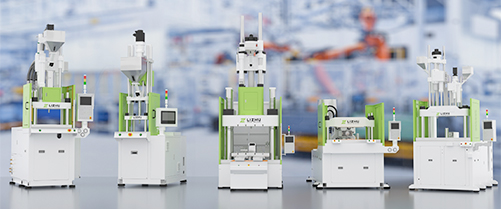


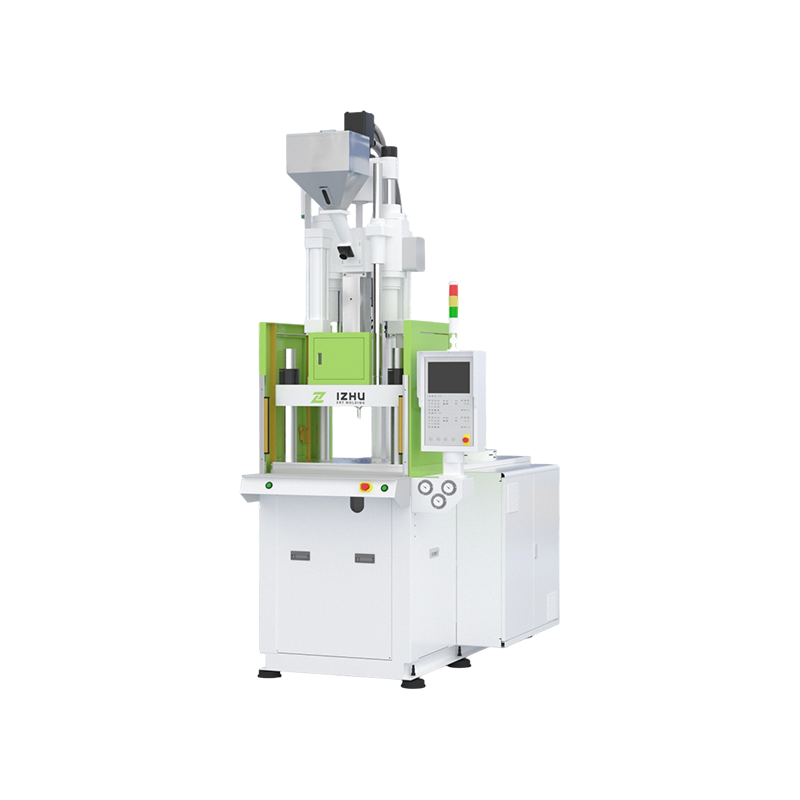
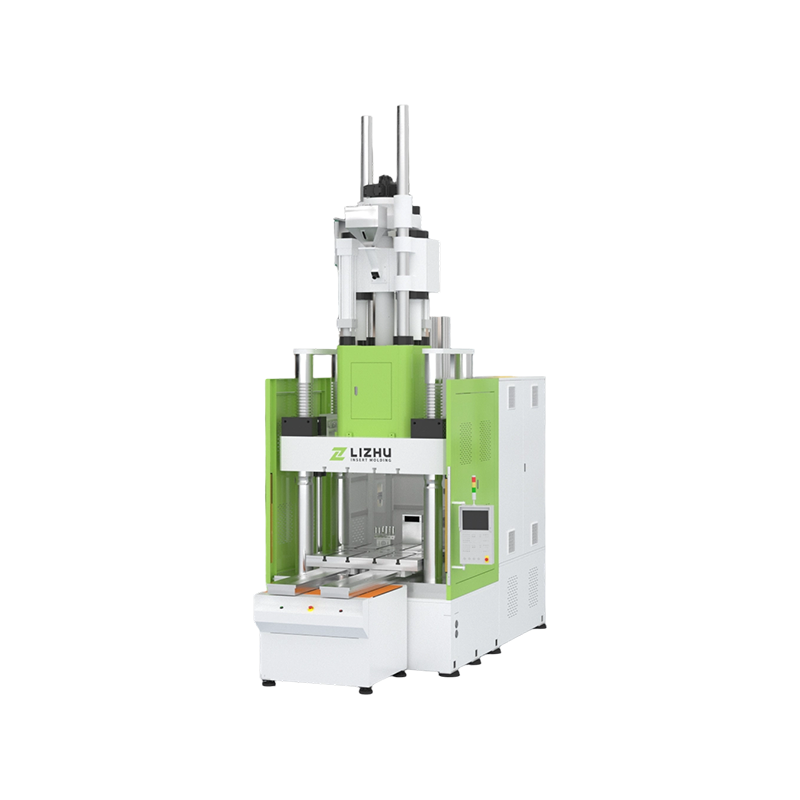
An injection molding machine costs anywhere from $3,000 for a small benchtop unit to over $1,000,000 for a large industrial hydraulic press — with the most common mid-range machines for small-to-medium production runs falling between $50,000 and $200,000. The price varies dramatically based on clamping force, machine type (hydraulic, electric, or hybrid), shot size, automation level, and the country of manufacture. This guide breaks down every major cost factor, compares machine categories side by side, and explains what your total investment actually looks like once you factor in molds, installation, maintenance, and operation.
Injection Molding Machine Price Ranges by Category
The single biggest driver of injection molding machine cost is clamping force, measured in tons — the higher the tonnage, the larger and more expensive the machine. Here is how the market breaks down across size categories:
| Machine Category | Clamping Force | Typical Price Range | Typical Applications |
| Micro / Benchtop | Under 20 tons | $3,000 – $15,000 | Prototyping, education, R&D labs |
| Small | 20 – 100 tons | $15,000 – $80,000 | Small consumer parts, medical devices |
| Medium | 100 – 500 tons | $80,000 – $300,000 | Automotive components, housings, caps |
| Large | 500 – 2,000 tons | $300,000 – $700,000 | Automotive panels, appliance parts |
| Very Large / Industrial | 2,000+ tons | $700,000 – $2,000,000+ | Bumpers, shipping containers, large bins |
Table: Injection molding machine price ranges by clamping force category and typical production application.
How Machine Type Affects the Price of an Injection Molding Machine
The three main types of injection molding machines — hydraulic, electric, and hybrid — differ significantly in upfront cost, energy consumption, precision, and long-term operating expense. Choosing the wrong type for your production needs can result in paying 30–50% more than necessary, or underspending and facing chronic quality issues.
Hydraulic Injection Molding Machines
Hydraulic machines are the most affordable to purchase outright, typically costing 20–40% less than equivalent electric models, but they consume significantly more energy and require more maintenance. A 200-ton hydraulic machine might cost $60,000–$90,000 new, compared to $100,000–$140,000 for an all-electric equivalent. Hydraulic machines are well-suited to high-tonnage, large-part applications where absolute positional precision is less critical. They are robust, widely serviceable, and have a long track record across heavy industries. However, their energy consumption can be 50–80% higher than all-electric models at equivalent output — a meaningful cost over a 10-year machine life.
All-Electric Injection Molding Machines
All-electric machines cost 30–60% more upfront than hydraulic equivalents but offer energy savings of 50–70%, higher repeatability, and lower maintenance costs that typically recover the premium within 3–5 years. A 150-ton all-electric machine typically costs $90,000–$130,000. These machines are servo-motor driven, meaning each axis of movement is independently controlled, enabling shot-to-shot consistency measured in fractions of a gram. They are the preferred choice for medical, optical, and electronics applications where dimensional tolerances are tight — often within 0.01 mm. All-electric machines also produce less heat, require no hydraulic oil changes, and operate more quietly.
Hybrid Injection Molding Machines
Hybrid machines combine a hydraulic clamping unit with an electric injection unit, offering a middle-ground price point typically 10–25% above hydraulic and 10–20% below all-electric at equivalent tonnage. A 250-ton hybrid machine typically costs $100,000–$180,000. Hybrids deliver better energy efficiency than full hydraulic (typically 30–50% savings versus hydraulic) while maintaining the clamping force advantages of hydraulic design for larger parts. They are a practical choice for manufacturers transitioning from hydraulic infrastructure who want improved performance without the full cost of all-electric conversion.
| Machine Type | Upfront Cost vs Hydraulic | Energy Consumption | Precision Level | Maintenance Cost | Best For |
| Hydraulic | Baseline (lowest) | High | Moderate | Higher (oil, seals) | Large parts, high tonnage |
| All-Electric | +30% to +60% | Low (50–70% savings) | Very High | Lower (no hydraulic oil) | Medical, electronics, optical |
| Hybrid | +10% to +25% | Medium (30–50% savings) | High | Medium | Mid-to-large volume, versatile |
Table: Comparison of hydraulic, all-electric, and hybrid injection molding machines by cost premium, energy use, precision, and ideal application.
How Country of Manufacture Affects Injection Molding Machine Cost
Country of origin is one of the most significant price variables — a Chinese-made 200-ton hydraulic machine may cost $30,000–$60,000 while a comparable European or Japanese model costs $120,000–$200,000, reflecting differences in engineering standards, material quality, warranty support, and after-sales infrastructure.
- Chinese-manufactured machines represent the most affordable entry point, typically 40–70% cheaper than Western equivalents at the same stated tonnage. Quality has improved substantially over the past decade, and Chinese machines are increasingly used in mid-volume production globally. The trade-offs include variable quality control between manufacturers, less robust after-sales support outside Asia, and sometimes shorter operational lifespans (10–15 years vs 20–25 years for premium machines).
- Taiwanese machines occupy a strong mid-market position — generally 20–40% less expensive than European or Japanese machines while offering higher engineering consistency than the lowest-cost Chinese options. Taiwan has a mature injection molding equipment industry with strong export networks and reasonable after-sales support in North America and Europe.
- European machines (primarily from Germany, Austria, and Italy) are premium-priced, often 50–100% more expensive than Chinese equivalents, but are regarded as the benchmark for precision, build quality, and longevity. European machines are standard in medical device manufacturing, automotive Tier 1 supply chains, and any application where ISO or FDA compliance requires documented process consistency.
- Japanese machines sit at a similar price tier to European models and are especially dominant in Asia-Pacific markets. They are renowned for extremely high precision and reliability, particularly in all-electric configurations, and are the preferred choice for high-volume consumer electronics and optical component production.
What Is the True Total Cost of Owning an Injection Molding Machine
The sticker price of an injection molding machine typically represents only 30–50% of the total cost of ownership over a 10-year period — molds, energy, labor, maintenance, and facility costs all add substantially to the investment.
Mold (Tooling) Costs
Injection molds are frequently more expensive than the machine itself for low-to-mid tonnage setups, with prices ranging from $1,500 for simple single-cavity prototype molds to $150,000+ for complex multi-cavity production molds in hardened steel. A typical single-cavity production mold in P20 tool steel runs $5,000–$30,000; a 16-cavity hot-runner mold in H13 hardened steel for high-volume production may cost $80,000–$200,000. Mold cost depends on the number of cavities, complexity of part geometry, material of the mold (aluminum vs P20 vs H13 steel), and whether it uses a hot runner or cold runner system.
Energy Costs
A mid-size 200-ton hydraulic injection molding machine running two shifts per day, five days a week, typically consumes 80,000–120,000 kWh per year — equivalent to $8,000–$14,000 annually at average US industrial electricity rates. An all-electric equivalent running the same schedule consumes 30,000–60,000 kWh, saving $4,000–$8,000 per year. Over 10 years of operation, that energy differential amounts to $40,000–$80,000 — often exceeding the upfront price premium of the electric machine.
Installation and Infrastructure
Installation costs for an injection molding machine include electrical supply upgrades, flooring reinforcement, compressed air lines, cooling water circuits, and crane or forklift positioning — typically adding $5,000–$30,000 to the initial setup cost depending on machine size. A 500-ton machine may require a dedicated 3-phase 480V electrical feed, a reinforced concrete pad rated for 50+ tons of dynamic load, and a chiller unit for mold temperature control. Large machines may also require building modifications to accommodate their footprint, which can add another $10,000–$50,000 depending on the facility.
Maintenance and Consumables
Annual maintenance costs for an injection molding machine average 2–5% of the machine's purchase price, or roughly $3,000–$15,000 per year for a mid-range machine. Hydraulic machines require regular hydraulic oil analysis and replacement (every 2,000–4,000 operating hours), seal replacements, and filter changes. All-electric machines have lower consumable costs but servo drive components and ball screws require periodic inspection. Screw and barrel wear is common to all types — a replacement screw and barrel set for a 200-ton machine typically costs $4,000–$12,000 and may be needed every 5–10 years depending on material abrasiveness.
Labor and Automation
A single injection molding machine in a semi-automated setup typically requires 0.5–1.0 full-time operator equivalents per shift, representing $20,000–$50,000 in annual labor cost depending on local wage rates and skill requirements. Adding a robotic part removal arm ($15,000–$60,000 initial cost) can reduce operator involvement to periodic machine monitoring and quality checks, significantly lowering the per-part labor cost in high-volume runs. Conveyor systems, vision inspection, and automatic packaging further reduce downstream labor but add to the initial capital expenditure.
10-Year Total Cost of Ownership Comparison by Machine Tier
| Cost Component | Small Hydraulic (80-ton) | Mid All-Electric (200-ton) | Large Hydraulic (500-ton) |
| Machine Purchase Price | $45,000 | $120,000 | $350,000 |
| Tooling / Molds (est.) | $15,000 | $40,000 | $100,000 |
| Installation and Infrastructure | $8,000 | $15,000 | $40,000 |
| Energy (10 years) | $80,000 | $50,000 | $140,000 |
| Maintenance (10 years) | $35,000 | $25,000 | $80,000 |
| Estimated 10-Year Total | ~$183,000 | ~$250,000 | ~$710,000 |
Table: Estimated 10-year total cost of ownership for three representative injection molding machine configurations. Figures are illustrative estimates based on typical industry operating conditions and may vary significantly by region, shift pattern, and material.
New vs. Used Injection Molding Machines: Which Offers Better Value
A used injection molding machine typically costs 30–60% less than its new equivalent, but carries meaningful risks of hidden wear, outdated controls, and limited warranty coverage that can erode those savings within the first two years.
The used market for injection molding machines is active and well-developed. A 200-ton hydraulic machine that cost $90,000 new 10 years ago may sell for $25,000–$45,000 used in good condition. The key evaluation factors for a used machine are: hours of operation, condition of the screw and barrel (measure for wear with a dial gauge), state of the hydraulic seals and oil, quality of the control system, and availability of spare parts. Machines with proprietary or discontinued control systems can become extremely difficult and expensive to maintain.
Refurbished machines — those that have been professionally disassembled, inspected, and rebuilt with new wear components — represent a middle ground at 50–70% of new machine cost with substantially reduced risk. Reputable refurbishers provide a 12-month warranty on parts and labor, which bridges much of the gap between new and raw used equipment.
How Manufacturers Finance Injection Molding Machine Purchases
Most injection molding machine acquisitions are financed through equipment loans, capital leases, or operating leases rather than outright cash purchase — preserving working capital and allowing the machine's production revenue to service the debt.
- Equipment loans — typically 3–7 year terms at 5–12% annual interest depending on creditworthiness. A $100,000 machine financed over 5 years at 8% costs approximately $2,028 per month.
- Capital (finance) leases — structured similarly to a loan but often with tax advantages; ownership transfers to the buyer at the end of the lease term, usually for a nominal fee.
- Operating leases — the leasing company retains ownership; the manufacturer pays a monthly usage fee and can often upgrade to newer equipment at lease end. Better for businesses that prefer not to carry depreciating equipment on their balance sheet.
- Manufacturer financing — many injection molding machine manufacturers offer their own financing programs, sometimes with promotional 0% interest periods for the first 12–24 months, which can substantially reduce early-stage cash flow pressure.
How to Calculate Injection Molding Cost Per Part
The cost per part is the most actionable metric for evaluating whether an injection molding machine investment makes financial sense for a given production volume — and it drops dramatically as volume increases.
The basic formula for cost per part is: (Machine depreciation + tooling amortization + energy + labor + material) / total parts produced. Consider a simple example: a $80,000 machine depreciated over 7 years ($11,400/year), a $20,000 mold amortized over 500,000 shots ($0.04/shot), energy at $0.02/shot, labor at $0.05/shot, and material at $0.08/part. At 100,000 parts per year, the cost per part is approximately $0.30. At 500,000 parts per year, the machine depreciation contribution drops to $0.023/part, bringing total cost per part to roughly $0.17 — a 43% reduction from higher volume alone.
This is why injection molding becomes cost-competitive with 3D printing and CNC machining only at volumes typically above 1,000–10,000 parts depending on part size and complexity. Below that threshold, the tooling cost alone makes per-part economics unfavorable versus other manufacturing methods.
Frequently Asked Questions About Injection Molding Machine Costs
How much does a small injection molding machine cost?
A small injection molding machine with a clamping force of 20–100 tons typically costs $15,000–$80,000 new. Benchtop or micro machines for prototyping and education are available from $3,000–$15,000 but have very limited shot capacity and are not suitable for production volumes. Entry-level production machines in the 20–50 ton range from Asian manufacturers start around $15,000–$30,000, while comparable machines from European or Japanese manufacturers cost $50,000–$80,000 for the same tonnage.
What is the cheapest injection molding machine available?
The least expensive injection molding machines on the market are manual desktop units costing $3,000–$8,000, designed for prototyping, educational use, and very small batch production of simple parts. These machines typically have clamping forces under 5 tons and shot volumes under 30 grams — insufficient for any serious production application. For production use, the practical minimum is around $15,000–$25,000 for a basic 20-ton hydraulic machine from a Chinese manufacturer, though buyers should budget an additional $10,000–$20,000 for tooling, installation, and initial operating costs.
How much does injection molding cost per part?
Injection molding cost per part typically ranges from $0.01 for a simple high-volume commodity part to $5.00+ for a complex low-volume precision component. The dominant variables are production volume (higher volume dramatically reduces per-part amortization of tooling and machine costs), part size and material cost, and cycle time. At 1 million parts per year on a simple part, per-part costs can fall below $0.05. At 1,000 parts per year on a complex part, costs of $2.00–$10.00 per part are common.
Is it worth buying an injection molding machine or outsourcing production?
Owning an injection molding machine becomes cost-effective when annual production volume consistently exceeds 100,000–500,000 parts and the product line is stable enough to justify multi-year machine and tooling depreciation. Below those volumes, outsourcing to a contract molder is almost always more economical — you pay per part at contract rates without carrying the capital, maintenance, and facility costs of machine ownership. Contract molding rates typically range from $0.05–$2.00 per part depending on complexity, with mold ownership sometimes retained by the customer. The break-even calculation should factor in total cost of ownership, not just machine price versus contract rate.
How long does an injection molding machine last?
A well-maintained injection molding machine from a reputable manufacturer typically has an operational life of 15–25 years, with premium European and Japanese machines regularly running 20–30 years with proper servicing. Lower-cost machines may have useful lives of 10–15 years. The components most subject to wear are the screw and barrel (5–10 year replacement cycle depending on materials processed), hydraulic seals and hoses, and the platens and tie bars. The control system can become the limiting factor on older machines if spare parts or software updates become unavailable.
What size injection molding machine do I need?
Machine size selection is determined primarily by two factors: the projected area of the part (which determines required clamping force) and the shot volume (which determines injection unit size). As a rule of thumb, plan for 2–5 tons of clamping force per square inch of projected part area. A part with a 10 sq. in. projected area requires approximately 20–50 tons. Always size up by at least 20–25% to provide operating margin and allow for future part variants. Undersizing causes flash defects; running a machine at maximum capacity continuously accelerates wear.
Summary: What to Budget for an Injection Molding Machine
When answering the question of how much an injection molding machine costs, the honest answer spans a wide range — from $3,000 for a desktop prototype unit to over $1,000,000 for a large-tonnage industrial press. For most small-to-medium manufacturers entering production, a realistic budget for a complete operational setup — machine, tooling, installation, and first-year operating costs — falls between $80,000 and $400,000.
The machine purchase price is only the starting point. Energy costs, mold investment, maintenance, and labor frequently double or triple the total 10-year cost of ownership compared to the initial purchase price alone. Choosing the right machine type — hydraulic for cost and tonnage, all-electric for precision and efficiency, hybrid for balance — and right-sizing the machine for your actual production requirements are the two most impactful decisions you can make to optimize the long-term economics of injection molding.
For businesses at the evaluation stage, getting quotes from multiple machine suppliers at the same stated tonnage and comparing full specification sheets — not just price — is essential. Include projected energy consumption, spare parts availability, and local service support in that comparison, as these factors can shift the true 10-year cost by $50,000–$150,000 for a mid-size machine.