 中文简体
中文简体
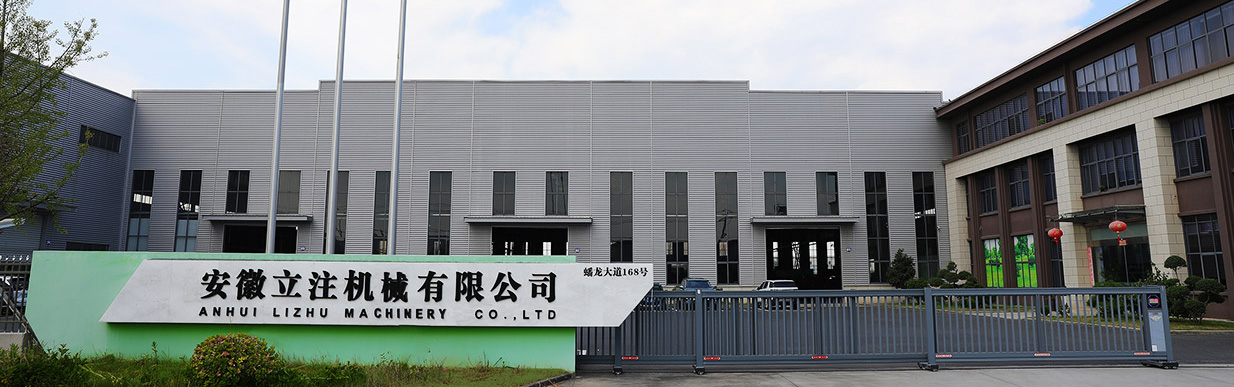
LIZHU Machinery Co., Ltd. was founded in 2011, is a leading company in high-speed precision injection molding...
View More
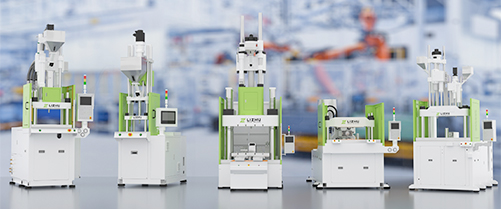
At present, we have various models of standard machines, skateboard machines, disc machines, and multi-color machines under 2000 tons.
View More
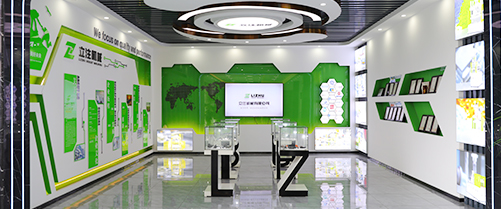
Check out the latest from the injection molding machine about the topics relevant to your industry and manufacturing process.
View More

Industry News

What Is a Vertical Injection Molding Machine and How Does It Work?
2026-05-02
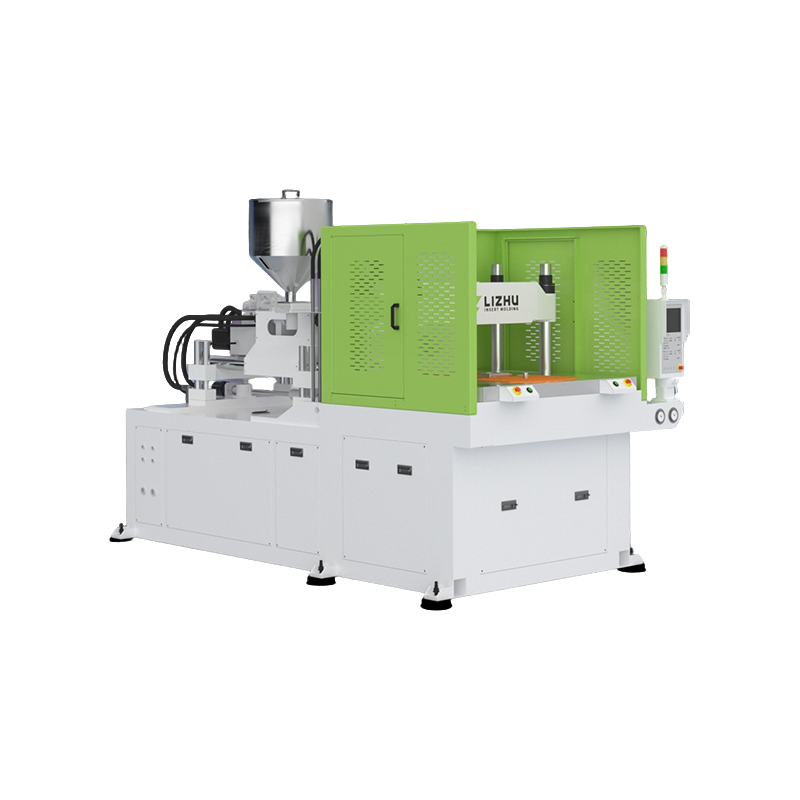
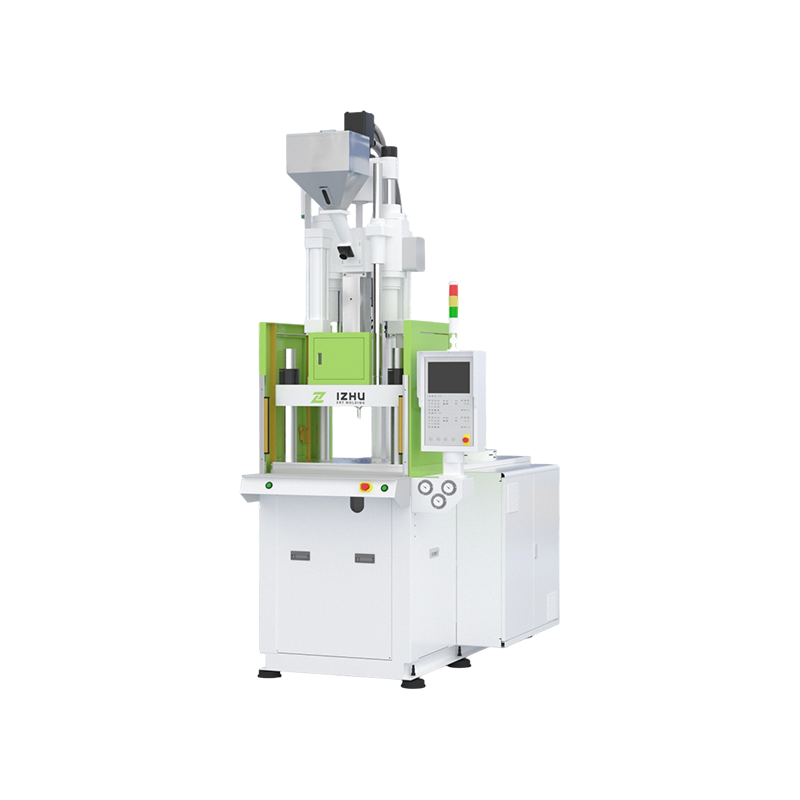
A vertical injection molding machine is a type of plastic injection molding equipment in which the clamping unit and injection unit are oriented along a vertical axis — meaning the mold opens and closes in an up-and-down direction, and molten material is injected vertically downward into the mold cavity. This configuration makes it especially efficient for insert molding and overmolding applications where metal inserts, electronic components, or other substrates must be precisely placed inside the mold before injection.
Unlike horizontal machines, vertical injection molding machines allow gravity to assist in holding inserts in place during loading, which reduces cycle time, improves precision, and lowers scrap rates. They are widely used in industries ranging from electronics and automotive to medical devices and consumer goods.
How Does a Vertical Injection Molding Machine Work?
A vertical injection molding machine follows the same fundamental process as any injection molding machine, but the vertical orientation changes the workflow significantly. The process unfolds in five core stages:
1. Insert Loading
The lower half of the mold (the stationary platen) faces upward. Operators or robotic systems place metal inserts, pins, threads, or other substrates directly into the open mold cavity. Gravity holds inserts in place naturally — no fixtures or clamping aids are required.
2. Mold Clamping
The upper platen descends and clamps down onto the lower platen with a specified clamping force, measured in tons. This force must exceed the injection pressure to prevent flash and maintain part dimensional accuracy.
3. Material Injection
Plastic pellets or granules are fed into the barrel, melted by a rotating screw and band heaters (typically 180–320°C depending on resin type), and then injected downward into the mold cavity at pressures between 700–2,000 bar.
4. Cooling and Solidification
Coolant — typically water — circulates through channels inside the mold to extract heat rapidly and uniformly. Cycle times for the cooling phase range from 5 to 60 seconds depending on wall thickness and material thermal properties.
5. Mold Opening and Part Ejection
The upper platen rises, and ejector pins push the finished part out of the mold cavity. The rotary or shuttle table (in dual-station machines) then indexes to the next position, allowing simultaneous insert loading and molding to occur — dramatically increasing throughput.
Key Components of a Vertical Injection Molding Machine
Every vertical injection molding machine shares a common set of subsystems, each critical to part quality, productivity, and repeatability:
- Injection Unit: Barrel, reciprocating screw, nozzle, and heater bands that melt and meter the plastic material. Shot size capacity typically ranges from 10 g to over 3,000 g.
- Clamping Unit: Hydraulic or electric actuators that open and close the mold. Clamping force for vertical machines commonly ranges from 10 to 300 tons.
- Rotary / Shuttle Table: A rotating or sliding lower platen system found in dual-station designs, enabling simultaneous insert loading and injection molding for faster cycle times.
- Mold (Tool): Precision-machined steel or aluminum tooling defining the part's geometry, including cavities, cores, runner systems, and cooling channels.
- Control System (HMI): A programmable logic controller (PLC) with a touchscreen interface that monitors and adjusts all process parameters in real time.
- Hydraulic or Servo-Electric Drive: The power source for all machine movements. All-electric models offer 30–70% energy savings and higher repeatability compared to hydraulic counterparts.
Vertical vs. Horizontal Injection Molding Machines: A Direct Comparison
Vertical machines excel at insert molding; horizontal machines are better suited for high-volume commodity parts. The table below summarizes the most critical differences to help you choose the right equipment for your application.
| Feature | Vertical Machine | Horizontal Machine |
| Mold orientation | Vertical (up/down) | Horizontal (left/right) |
| Insert molding suitability | ⭐⭐⭐⭐⭐ Excellent | ⭐⭐ Limited |
| Floor space required | Small footprint | Large footprint |
| Clamping force range | 10 – 300 tons | 10 – 9,000+ tons |
| Automation compatibility | Rotary/shuttle tables | Robotic arm extraction |
| Insert positioning accuracy | High (gravity assist) | Lower (requires fixtures) |
| High-volume production | Moderate | Excellent |
| Typical industries | Electronics, medical, auto | Packaging, automotive, FMCG |
Table 1: Side-by-side comparison of vertical and horizontal injection molding machines across key performance and operational factors.
Types of Vertical Injection Molding Machines
Vertical injection molding machines are available in several configurations, each optimized for different production environments and part complexities:
Single-Station Vertical Machines
The most basic configuration — one fixed lower platen and one upper platen. Operators load inserts, the mold closes, injects, cools, and opens. Suited for low-to-medium volume runs or prototyping. Cycle times are entirely sequential.
Rotary Table Vertical Machines
A rotating lower platen carries two or more mold halves. While one station is injecting and cooling under the upper platen, the opposite station is open for insert loading — cutting effective cycle time by up to 50%. This design is dominant in connector and sensor manufacturing.
Shuttle Table (Sliding) Vertical Machines
Similar concept to rotary, but instead of rotating, the lower platen slides horizontally between two positions. Preferred when mold size is large or when a rotary mechanism would be impractical. Common in cable overmolding and large-insert applications.
All-Electric Vertical Machines
Servo-electric drives replace hydraulic pumps entirely. Benefits include energy consumption reductions of 30–70%, cleaner operating environments (no hydraulic oil risk — critical in medical and food-contact applications), higher repeatability (±0.1% shot weight consistency), and lower noise levels (typically below 70 dB).
Hydraulic Vertical Machines
Traditional hydraulic systems provide high clamping force at a lower initial capital cost. They remain the dominant choice for large-tonnage applications and markets where initial machine price is a primary constraint.
Common Applications of Vertical Injection Molding Machines
The primary application advantage of vertical injection molding is insert molding — encapsulating a pre-placed component with plastic in a single integrated step. Key applications include:
- Electrical Connectors & Terminals: Metal pins or bus bars are inserted into mold cavities, then overmolded with nylon (PA66), PBT, or LCP to create sealed, insulated connectors used in automotive wiring harnesses and consumer electronics.
- Medical Devices: Catheters, syringe barrels, needle hubs, and sensor housings are produced with stringent cleanliness requirements. All-electric vertical machines operating in ISO Class 7 or 8 cleanrooms are standard in this sector.
- Automotive Components: Gear selector knobs, cable boots, sensor enclosures, and ignition coil housings — any part combining metal and plastic in a single integrated assembly.
- Power Tool Handles & Grips: Thermoplastic rubber (TPR) is overmolded onto rigid PP or ABS substrates to create ergonomic, shock-absorbing grips with dual-material constructions.
- Semiconductor & PCB Encapsulation: Delicate electronic components on printed circuit boards are encapsulated in thermally stable engineering resins to protect against moisture, vibration, and thermal cycling.
Advantages and Limitations
Vertical injection molding machines offer a compelling combination of precision and compactness, but they are not universally the best choice for every application. Below is a balanced assessment:
| Advantages | Limitations |
| Gravity holds inserts in place — no special fixtures needed | Lower maximum clamping force vs. large horizontal machines |
| Compact footprint saves factory floor space | Harder to automate part extraction (gravity works against ejection) |
| Dual-station rotary/shuttle tables boost output by up to 50% | Not ideal for very large or heavy molds |
| Ideal for overmolding complex 3D inserts | Manual insert loading can be ergonomically demanding |
| Lower insert displacement / misalignment scrap rates | Higher tooling cost for rotary/shuttle configurations |
| All-electric versions save 30–70% energy vs. hydraulic | Operators must work from the side — ergonomics differ from horizontal |
Table 2: A balanced view of the advantages and limitations of vertical injection molding machines to inform procurement decisions.
Typical Technical Specifications to Evaluate
When selecting a vertical injection molding machine, these are the critical specification parameters to compare across models and manufacturers:
| Parameter | Typical Range | Why It Matters |
| Clamping Force | 10 – 300 tons | Determines maximum projected part area without flash |
| Shot Weight | 5 g – 3,000 g | Limits maximum part size and number of cavities |
| Injection Pressure | 700 – 2,200 bar | Required to fill thin walls and long flow paths |
| Screw Diameter | 14 – 80 mm | Affects plasticizing rate and shear sensitivity |
| Tie-bar Spacing | 150 – 700 mm | Sets the maximum mold size that can be installed |
| Daylight Opening | 200 – 800 mm | Maximum mold height + part ejection space |
| Dry Cycle Time | 1.5 – 5 sec | Indicates machine speed independent of cooling time |
Table 3: Key technical specifications for vertical injection molding machines and their practical significance during equipment selection.
Material Compatibility
Vertical injection molding machines can process virtually any thermoplastic resin, as well as thermosets and liquid silicone rubber (LSR) with the appropriate unit configurations. Commonly processed materials include:
- Commodity Resins: PP, PE, PS, ABS — high volume, cost-sensitive parts
- Engineering Plastics: PA6, PA66, PBT, POM, PC — structural and semi-structural applications
- High-Performance Polymers: PEEK, PPS, LCP — demanding thermal and chemical environments
- Elastomers & TPE/TPR: Soft-touch overmolding for grips, seals, and gaskets
- Liquid Silicone Rubber (LSR): Requires a cooled mold and specialized injection unit; used in medical and infant care products
- Thermosets (BMC/DMC): Bulk/dough molding compounds for heat-resistant electrical enclosures
Frequently Asked Questions (FAQ)
Conclusion
A vertical injection molding machine is an indispensable manufacturing asset for any operation that requires precise insert molding, overmolding, or dual-material integration. Its vertical clamping axis — far from being a mere orientation choice — fundamentally changes the ergonomics of insert loading, the physics of insert retention, and the economics of floor space utilization.
Whether you are evaluating a single-station hydraulic machine for prototype runs, a rotary-table all-electric model for high-mix automotive connector production, or a cleanroom-compatible platform for medical device manufacturing, understanding how these machines work and what differentiates each configuration is the essential first step toward making a sound capital investment decision.
The right vertical injection molding machine — matched to your material, insert geometry, cycle time target, and quality standard — can deliver consistent part quality, reduced scrap, and competitive unit economics for years of production.
News categories
Product categories
Exhibition Information
-
How to choose high cost-effective standard vertical injection molding machines?
Oct 10,2025 -
Key points for maintenance and upkeep of the mechanical part of the vertical injection molding machine
Oct 10,2025 -
Why do the medical and 3C industries favor vertical electric injection molding machines?
Oct 10,2025
Content
- 1 How Does a Vertical Injection Molding Machine Work?
- 2 Key Components of a Vertical Injection Molding Machine
- 3 Vertical vs. Horizontal Injection Molding Machines: A Direct Comparison
- 4 Types of Vertical Injection Molding Machines
- 5 Common Applications of Vertical Injection Molding Machines
- 6 Advantages and Limitations
- 7 Typical Technical Specifications to Evaluate
- 8 Material Compatibility
- 9 Frequently Asked Questions (FAQ)
- 10 Conclusion

-
 +86-(0)512-6598 3406
 -
 +86-138 6210 7502
 -

-
 Zhaoyao Science and Technology Park, No. 573 Ruyuan Road, Chengyang Subdistrict, Xiangcheng District, Suzhou, Jiangsu Province, China
Copyright © 2025 Suzhou Lizhu Machinery Co., Ltd. All Rights Reserved.
China precision injection molding machine manufacturers custom precision injection molding machine supplier
