 中文简体
中文简体
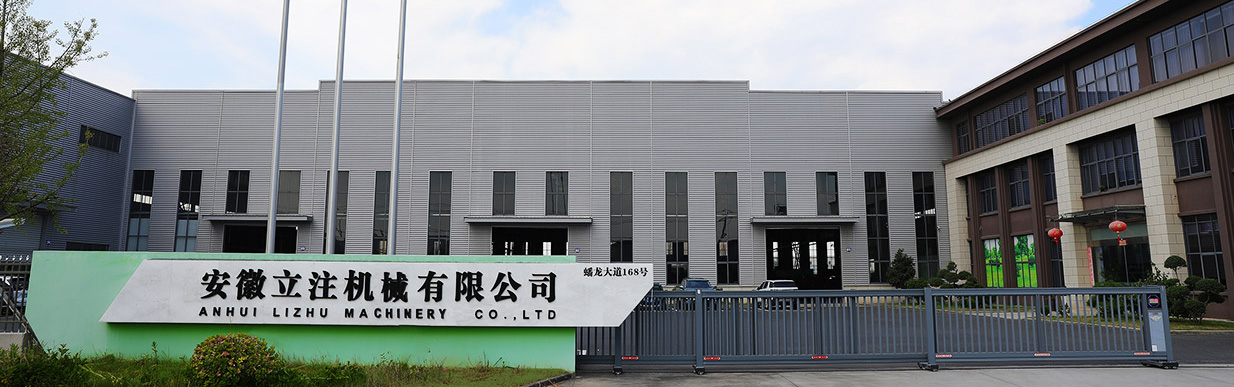
LIZHU Machinery Co., Ltd. was founded in 2011, is a leading company in high-speed precision injection molding...
View More
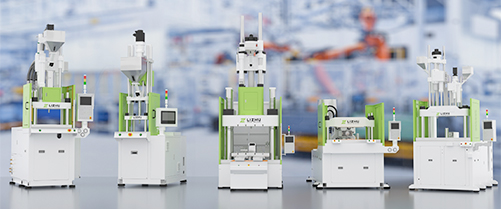
At present, we have various models of standard machines, skateboard machines, disc machines, and multi-color machines under 2000 tons.
View More
Check out the latest from the injection molding machine about the topics relevant to your industry and manufacturing process.
View More

Industry News
Home / News / Industry News / What Are the Key Advantages of Using a Vertical Injection Molding Machine in 2026?
 Home / News / Industry News / What Are the Key Advantages of Using a Vertical Injection Molding Machine in 2026?
 What Are the Key Advantages of Using a Vertical Injection Molding Machine in 2026?
2026-05-09
The key advantages of using a vertical injection molding machine in 2026 include a significantly smaller production floor footprint, superior insert molding capability, gravity-assisted insert retention that improves part quality, easier integration with rotary table and shuttle systems for automated multi-station production, and lower tooling costs for insert-heavy components. As labor costs rise and manufacturing floor space becomes increasingly expensive globally, the operational economics of vertical injection molding machines are more compelling in 2026 than at any previous point.
This article examines each of these advantages in depth — with technical comparisons, industry data, application examples, and a comprehensive FAQ — to help manufacturers, procurement teams, and process engineers determine whether a vertical injection molding machine is the right investment for their production requirements in 2026.
What Is a Vertical Injection Molding Machine?
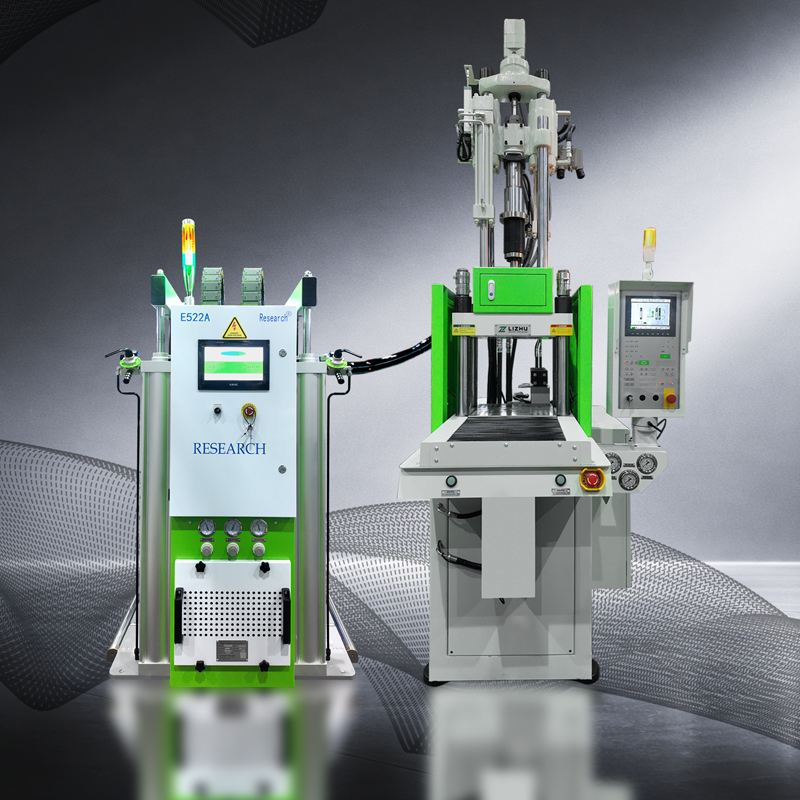
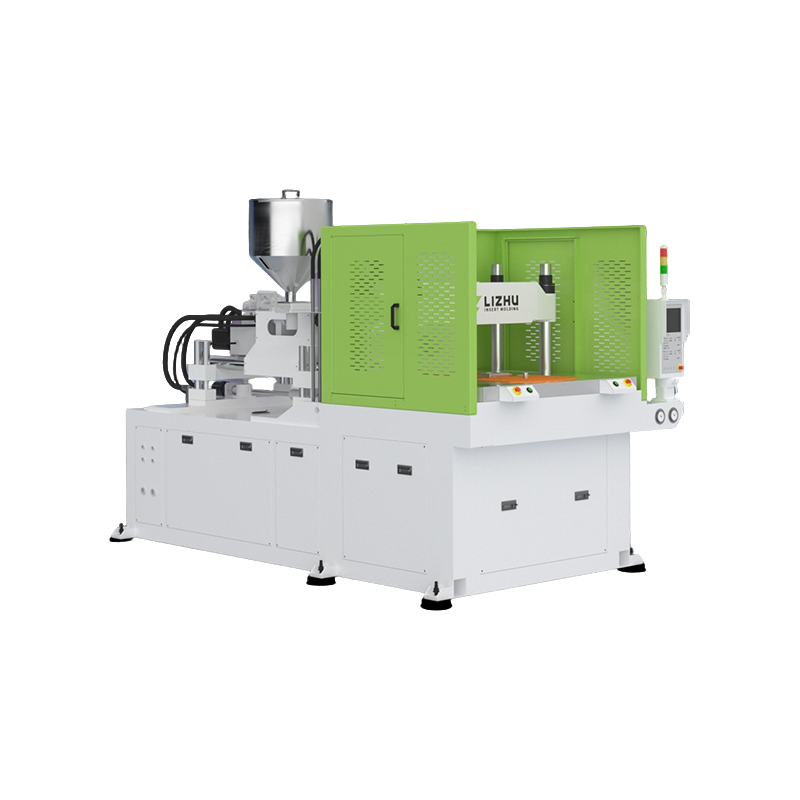
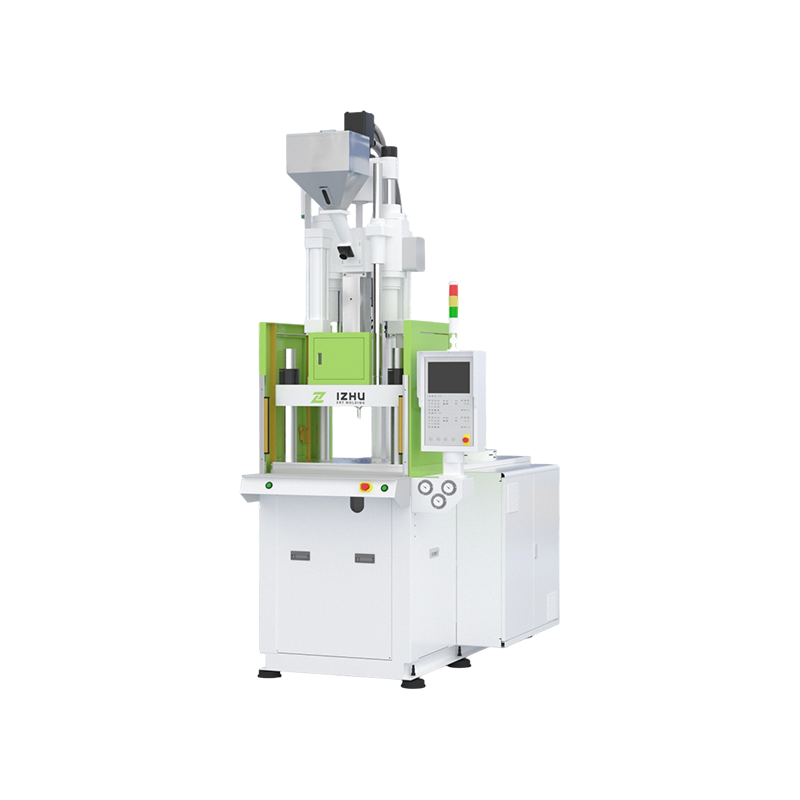
A vertical injection molding machine is an injection molding system in which the clamping unit and mold open and close along a vertical axis — with the stationary platen at the bottom and the moving platen traveling upward to open the mold — while the injection unit typically injects horizontally or vertically from the top or side. This vertical orientation fundamentally changes the machine's operational characteristics compared to conventional horizontal injection molding machines.
The two most common configurations of vertical injection molding machines are:
- Vertical clamp / vertical injection (top-shot): Both the clamping unit and the injection unit operate along the vertical axis. The mold opens upward and material is injected downward from above. Compact design, ideal for small precision parts.
- Vertical clamp / horizontal injection (side-shot): The clamp opens and closes vertically while injection occurs horizontally from the side. This configuration allows for turntable or shuttle table integration and is the dominant configuration for insert molding in high-volume production.
Vertical injection molding machines are available in clamping forces ranging from 5 tons to over 1,000 tons, though the vast majority of commercial applications fall in the 30–300 ton range. The global vertical injection molding machine market is projected to reach USD 3.2 billion by 2028, growing at a CAGR of approximately 5.6%, driven by rising demand for insert-molded electronic components, automotive connectors, and medical devices.
Advantage 1: Minimal Floor Space Requirement
A vertical injection molding machine occupies 30–50% less floor space than a horizontal machine of equivalent clamping force — one of the most immediate and quantifiable advantages in any manufacturing environment where production area is a constrained and expensive resource.
The space savings arise directly from the machine's orientation. A horizontal injection molding machine with a 150-ton clamping force typically requires a floor footprint of approximately 5.5 × 2.0 meters (11 m²), plus additional clearance for mold opening travel, operator access, and material handling. A vertical machine of equivalent clamping force may occupy as little as 1.8 × 1.8 meters (3.2 m²) — less than one-third the footprint.
In a manufacturing facility where production floor space costs $80–$200 per square meter per year (a conservative range for industrial facilities in North America, Western Europe, and Japan), this space differential represents an annual space cost saving of $600–$1,560 per machine — a recurring benefit that compounds over the machine's 15–20 year service life.
For manufacturers considering adding production capacity without expanding their facility footprint, replacing or supplementing horizontal machines with vertical units can meaningfully increase the number of production cells that fit within existing floor space.
Advantage 2: Superior Insert Molding Capability
Vertical injection molding machines are the industry standard for insert molding precisely because the vertical mold orientation uses gravity to hold inserts in position during mold closing and injection — eliminating the primary challenge of insert displacement that plagues horizontal insert molding operations.
In insert molding, metal or non-plastic components — such as threaded bushings, electrical terminals, pins, shafts, bearings, or wire harness connectors — are placed into the mold before injection. The plastic then flows around and encapsulates the insert, creating a single integrated component. The challenge in horizontal machines is that inserts placed in the lower half of an open mold must be retained against gravity and the turbulence of mold closing — often requiring complex retention features, fixtures, or robotic placement systems to prevent displacement.
In a vertical machine with the stationary platen at the bottom, inserts placed in the lower mold half sit naturally by gravity in their intended position throughout mold closing and injection. This delivers:
- Lower insert displacement defect rates: Vertical insert molding consistently achieves insert positioning accuracy of ±0.05 mm or better, compared to ±0.1–0.3 mm typical in horizontal insert operations without specialized fixturing.
- Simpler mold design: Lower molds require fewer insert retention pins, clips, and magnetic retention elements, reducing tooling complexity and cost by 15–30% compared to horizontal insert mold equivalents.
- Reduced scrap from misplaced inserts: Insert displacement in horizontal machines is one of the leading causes of flash, incomplete encapsulation, and structural weakness in overmolded parts. Vertical machines dramatically reduce this failure mode.
- Faster manual loading cycles: Operators loading inserts into the lower stationary mold (on a rotary table or shuttle system) work ergonomically with inserts sitting stably by gravity, reducing loading time per cycle by 10–25% compared to horizontal alternatives.
Advantage 3: Rotary Table and Shuttle System Integration
Vertical injection molding machines integrate naturally with rotary turntable and shuttle table systems, enabling continuous production cycles where insert loading, injection, and part removal occur simultaneously at different stations — a production architecture that is mechanically complex and costly to implement on horizontal machines.
In a typical vertical rotary table configuration:
- Station 1 (under the clamp): Mold closes, injection occurs, and the part is cooled under pressure.
- Station 2 (180° or 120° rotated): While the previous shot is cooling, an operator or robot loads fresh inserts into the next mold half.
- Station 3 (on multi-station systems): The finished part is ejected and inspected.
This parallel processing dramatically improves machine utilization. In a standard single-station horizontal machine, the operator's insert loading time adds directly to cycle time. In a two-station vertical rotary system, loading occurs off-cycle, reducing effective cycle time by 30–50% on insert-heavy parts and increasing throughput proportionally.
For a part with a 30-second molding cycle and 20 seconds of insert loading time, a single-station horizontal operation has an effective 50-second cycle. A two-station vertical rotary system has a 30-second effective cycle — a 40% throughput improvement from the same injection unit and operator.
Advantage 4: Lower Tooling Costs for Insert-Heavy Components
Insert molds designed for vertical machines are typically 15–30% less expensive to build and maintain than equivalent horizontal insert molds, because the gravity-assisted insert retention eliminates the need for many complex mechanical retention features.
Tooling cost savings accumulate from several sources:
- Fewer insert retention pins and features: Horizontal molds require engineered features to prevent inserts from falling or shifting under gravity during mold closing. Vertical molds rely on gravity itself, simplifying the tool design.
- Simpler ejection systems: In a vertical machine, parts eject downward after mold opening — often directly into a parts bin or conveyor below — without requiring complex lateral ejection mechanisms.
- Lower maintenance frequency: Simpler mold mechanics result in fewer wear points and lower ongoing maintenance costs. A vertical insert mold may require maintenance servicing every 500,000 shots vs. every 300,000–400,000 shots for a comparable horizontal insert mold.
- Open mold access: The horizontal parting line of a vertical mold faces upward when open, giving operators and robotic systems unobstructed top access for insert loading, inspection, and part removal — simplifying automation integration and reducing fixture complexity.
Advantage 5: Ergonomic Operator Workflow and Safety
Vertical injection molding machines offer a more ergonomic and safer operator workflow for insert loading and part removal compared to horizontal machines, particularly in labor-intensive insert molding environments.
In a horizontal machine, the operator typically loads inserts into a vertically-oriented mold face — reaching into a confined space between the two platens, often at an awkward angle that increases the risk of ergonomic strain and accidental contact with mold surfaces. In a vertical machine with a rotary or shuttle table, the stationary lower mold half rotates or slides out to the operator's work zone — presenting the mold surface at a comfortable working height and angle, with no need to reach into the machine.
This ergonomic advantage delivers measurable operational benefits:
- Reduced operator fatigue: Ergonomic loading positions reduce physical strain, sustaining productivity over full 8–12 hour shifts without the fatigue-driven quality errors common in awkward-access horizontal setups.
- Lower workplace injury risk: Reach-in access to horizontal molds is a documented source of hand and wrist injuries in injection molding facilities. Vertical machine table-out loading eliminates this exposure.
- Faster operator training: The intuitive loading workflow of vertical machine table-out stations reduces operator training time by an estimated 20–35% compared to horizontal insert molding operations, reducing onboarding costs in high-turnover manufacturing environments.
Advantage 6: All-Electric and Servo-Hydraulic Efficiency Gains in 2026 Models
The latest generation of vertical injection molding machines available in 2026 incorporates all-electric and servo-hydraulic drive systems that deliver energy consumption reductions of 30–60% compared to conventional hydraulic vertical machines of equivalent clamping force.
Energy efficiency improvements in modern vertical machines include:
- All-electric servo drives: Replace fixed-displacement hydraulic pumps with precision servo motors on each axis independently. Energy is consumed only during actual movement — not during dwelling, cooling, or idle — reducing standby power consumption to near zero.
- Regenerative braking systems: Deceleration energy from the clamp and injection axes is recovered and returned to the power bus, further reducing net energy consumption by 8–15%.
- Precision temperature control: Modern barrel heating systems with PID-controlled zone heating reduce thermal energy waste by maintaining tighter temperature tolerances, reducing resin degradation and improving shot consistency.
- Industry 4.0 power monitoring: Real-time energy consumption data per shot allows process engineers to identify and eliminate energy waste at the cycle level — a capability absent from older hydraulic machines.
For a facility operating 10 vertical injection molding machines on three shifts, upgrading from conventional hydraulic to all-electric vertical machines can reduce annual electricity costs by $40,000–$120,000, depending on local electricity rates and production utilization.
Vertical vs. Horizontal Injection Molding Machine: Direct Comparison
Choosing between a vertical and horizontal injection molding machine requires careful evaluation of the specific application requirements — neither configuration is universally superior across all use cases.
| Criteria | Vertical Injection Molding Machine | Horizontal Injection Molding Machine |
| Floor footprint | 30–50% smaller | Larger — requires full clamp travel clearance |
| Insert molding | Excellent — gravity-assisted retention | Challenging — requires complex fixturing |
| Rotary / shuttle table integration | Native and cost-effective | Possible but mechanically complex and costly |
| Maximum clamping force available | Typically up to ~1,000 tons | Up to 10,000+ tons |
| Part removal / ejection | Gravity assists — parts drop into bin | Requires positive ejection or robot |
| Large part / long part production | Limited by vertical height constraints | Ideal — no height restriction |
| Mold change speed | Slower — vertical orientation complicates crane access | Faster — horizontal mold change well-established |
| Tooling cost for insert molds | 15–30% lower | Higher — more retention features required |
| Operator ergonomics (insert loading) | Superior — table-out / top-access loading | Reach-in access — ergonomic risk |
| Automation integration (robot) | Top-loading SCARA/delta robots — simple | Side-entry Cartesian robots — well-established |
| Suitable for high-cavity molds | Limited — practical max ~8–16 cavities | Excellent — 32, 64, 96+ cavity molds common |
Comprehensive feature-by-feature comparison of vertical and horizontal injection molding machines across key production, tooling, ergonomic, and application criteria.
Industries and Applications Best Suited to Vertical Injection Molding Machines
Vertical injection molding machines dominate in applications where insert encapsulation precision, compact footprint, and continuous operator-assisted production cycles are the primary requirements.
Electrical and Electronic Components
Connectors, plug housings, terminal blocks, cable assemblies, and sensor housings with embedded metal contacts are among the highest-volume applications for vertical insert molding. Precision positioning of metal terminals within plastic housings — often to tolerances of ±0.05 mm or tighter — is reliably achieved only in vertical machines where gravity stabilizes the terminals during molding. The global connector market alone, valued at over $80 billion annually, is a primary driver of vertical machine demand.
Automotive Components
Automotive applications include overmolded wire harness connectors, sensor housings with embedded electronics, gear selectors with metal inserts, and sealing components with embedded metal reinforcements. Automotive-grade insert molding demands both high insert positioning accuracy and complete traceability — both of which are well-supported by modern vertical injection molding machines with integrated vision inspection and MES connectivity.
Medical Devices
Syringes with needle hubs, catheter connectors with metal fittings, surgical instrument handles with embedded stainless steel shafts, and drug delivery device components are frequently produced on vertical machines. The medical device sector's stringent requirements for dimensional accuracy, material purity, and production traceability are well-matched to the precision capabilities of modern vertical injection molding machines, particularly all-electric models that eliminate hydraulic fluid contamination risk.
Consumer Products and Hardware
Plastic-over-metal fasteners, threaded inserts in plastic housings, tool handles with metal cores, and furniture fittings with embedded metal threads are produced efficiently on vertical insert molding machines. The combination of compact footprint, gravity-assisted insert placement, and rotary table throughput optimization makes vertical machines economically attractive for mid-volume consumer product insert molding applications.
2026 Technology Trends Enhancing Vertical Injection Molding Machine Value
Several specific technology advances reaching commercial maturity in 2025–2026 are directly expanding the value proposition of vertical injection molding machines beyond their traditional insert molding stronghold.
| Technology | Impact on Vertical Machine Capability | Applicable Sector |
| AI-assisted process control | Real-time shot parameter adjustment to compensate for material and ambient variation — reduces scrap by up to 40% | All sectors |
| Integrated vision inspection | Camera systems above the open mold verify insert presence, orientation, and position before mold closing — preventing costly misloaded shots | Electronics, automotive, medical |
| Collaborative robot (cobot) integration | Cobots operating above the open vertical mold load inserts and remove parts with no safety guarding required — reducing automation cost by 50–70% vs. traditional robotic cells | All sectors — particularly SMEs |
| MES / ERP integration (OPC-UA) | Full production data logging per shot — enabling traceability for automotive IATF 16949 and medical ISO 13485 requirements without separate data collection systems | Automotive, medical |
| Multi-material overmolding | Rotary table vertical machines enable sequential injection of two or more materials around a single insert in one machine cycle — eliminating secondary operations | Consumer electronics, medical |
Key 2025–2026 technology advances enhancing the capability and value of vertical injection molding machines across industrial applications.
Frequently Asked Questions: Vertical Injection Molding Machines
Q: What is the typical clamping force range for vertical injection molding machines?
Vertical injection molding machines are commercially available from approximately 5 tons to 1,000 tons of clamping force. The most widely used range in insert molding applications is 30–300 tons, which covers the vast majority of electrical connectors, automotive sensors, and medical device components. Very small desktop vertical machines (5–30 tons) are used for precision micro-insert molding of tiny electronic components. Machines above 500 tons in vertical configuration are specialized and less common, as very large parts are generally better suited to horizontal machines.
Q: Is a vertical injection molding machine more expensive than a horizontal machine?
For equivalent clamping forces, a vertical injection molding machine with a rotary table typically costs 10–25% more than a basic horizontal machine of the same clamping force. However, this comparison is misleading for insert molding applications — the rotary table eliminates the need for a separate automated insert loading system (which can cost $50,000–$200,000 for a horizontal machine), and the lower tooling cost (15–30% less per mold) and higher throughput per operator further improve the total cost of ownership. For insert molding applications, the vertical machine almost always delivers a lower total cost per part over the machine's service life.
Q: Can vertical injection molding machines run fully automated without operators?
Yes — with appropriate automation investment. Top-loading SCARA robots, delta robots, and collaborative robots can be integrated to load inserts and remove finished parts without human operators in the primary cycle. Vision systems verify insert placement. Automated conveyor systems remove finished parts and deliver inserts. Fully lights-out vertical insert molding cells are operating in electronics manufacturing facilities in Japan, Germany, and increasingly in North America. The open-top access of vertical machines actually simplifies robot integration compared to the side-entry configuration required for horizontal machines, reducing the capital cost of full automation by 30–50% in many cases.
Q: What materials can be processed in a vertical injection molding machine?
Vertical injection molding machines process the same range of thermoplastic and thermoset materials as horizontal machines — there is no material restriction inherent to the vertical orientation. Common materials include nylon (PA6, PA66), PBT, PPS, LCP, ABS, PC, PP, TPE, TPU, PEEK, and engineering thermosets such as BMC and DMC. High-temperature engineering resins used in automotive and electrical applications (PPS, LCP, PEEK) are regularly processed in vertical insert molding machines. The barrel, screw, and nozzle specifications are selected based on material requirements, independently of machine orientation.
Q: How do I decide between a vertical and horizontal injection molding machine for my application?
The decision framework is straightforward: if your parts require insert molding, your production environment has limited floor space, or your cycle time is significantly impacted by insert loading time — a vertical machine is almost certainly the better choice. If your parts are large, require very high clamping forces (above 500 tons), use high-cavity molds (32+ cavities), or involve no inserts — a horizontal machine is typically more cost-effective. For parts that fall in between — moderate size, low insert count, medium cavitation — a detailed cost-per-part analysis including tooling, labor, floor space, and energy costs over the machine's service life is the most reliable decision tool.
Q: What maintenance requirements are specific to vertical injection molding machines?
Vertical injection molding machines share most maintenance requirements with horizontal machines — screw and barrel inspection, hydraulic or servo system maintenance, mold temperature controller service, and control system calibration. The vertical-specific maintenance items relate primarily to the rotary table bearing and drive system, which experience continuous cyclic loading and require periodic bearing inspection and lubrication. The vertical tie-bar and platen guidance system should be inspected for wear and lubrication at the manufacturer's recommended intervals — typically every 1,000–2,000 operating hours. All-electric vertical machines have significantly lower maintenance requirements than hydraulic models, with no hydraulic fluid changes, filter replacements, or seal replacements required.
Conclusion: Why a Vertical Injection Molding Machine Makes Strategic Sense in 2026
The advantages of a vertical injection molding machine in 2026 are compelling for any manufacturer whose production profile involves insert molding, space-constrained facilities, operator-assisted production cycles, or precision encapsulation requirements. The combination of gravity-assisted insert retention, rotary table throughput optimization, compact footprint, lower insert tooling costs, and superior operator ergonomics creates a total cost-of-ownership advantage that is difficult to match with horizontal machine configurations for these application categories.
The 2026 generation of vertical injection molding machines adds further value through all-electric energy efficiency, AI-assisted process control, integrated vision inspection, and cobot-ready automation interfaces — making them more capable, more connected, and more cost-efficient than any previous generation of equipment.
For manufacturers in the electrical, automotive, medical, and consumer products sectors who are evaluating capital equipment investments for 2026 and beyond, a vertical injection molding machine — particularly a servo-driven or all-electric model with rotary table capability — deserves serious consideration as a platform that delivers productivity, quality, and economic advantages that compound over the machine's 15–20 year service life.
News categories
Product categories
Exhibition Information
-
How to choose high cost-effective standard vertical injection molding machines?
Oct 10,2025 -
Key points for maintenance and upkeep of the mechanical part of the vertical injection molding machine
Oct 10,2025 -
Why do the medical and 3C industries favor vertical electric injection molding machines?
Oct 10,2025
Content
- 1 What Is a Vertical Injection Molding Machine?
- 2 Advantage 1: Minimal Floor Space Requirement
- 3 Advantage 2: Superior Insert Molding Capability
- 4 Advantage 3: Rotary Table and Shuttle System Integration
- 5 Advantage 4: Lower Tooling Costs for Insert-Heavy Components
- 6 Advantage 5: Ergonomic Operator Workflow and Safety
- 7 Advantage 6: All-Electric and Servo-Hydraulic Efficiency Gains in 2026 Models
- 8 Vertical vs. Horizontal Injection Molding Machine: Direct Comparison
- 9 Industries and Applications Best Suited to Vertical Injection Molding Machines
- 10 2026 Technology Trends Enhancing Vertical Injection Molding Machine Value
- 11 Frequently Asked Questions: Vertical Injection Molding Machines
- 11.1 Q: What is the typical clamping force range for vertical injection molding machines?
- 11.2 Q: Is a vertical injection molding machine more expensive than a horizontal machine?
- 11.3 Q: Can vertical injection molding machines run fully automated without operators?
- 11.4 Q: What materials can be processed in a vertical injection molding machine?
- 11.5 Q: How do I decide between a vertical and horizontal injection molding machine for my application?
- 11.6 Q: What maintenance requirements are specific to vertical injection molding machines?
- 12 Conclusion: Why a Vertical Injection Molding Machine Makes Strategic Sense in 2026

-
 +86-(0)512-6598 3406
 -
 +86-138 6210 7502
 -

-
 Zhaoyao Science and Technology Park, No. 573 Ruyuan Road, Chengyang Subdistrict, Xiangcheng District, Suzhou, Jiangsu Province, China
Copyright © 2025 Suzhou Lizhu Machinery Co., Ltd. All Rights Reserved.
China precision injection molding machine manufacturers custom precision injection molding machine supplier
