 中文简体
中文简体
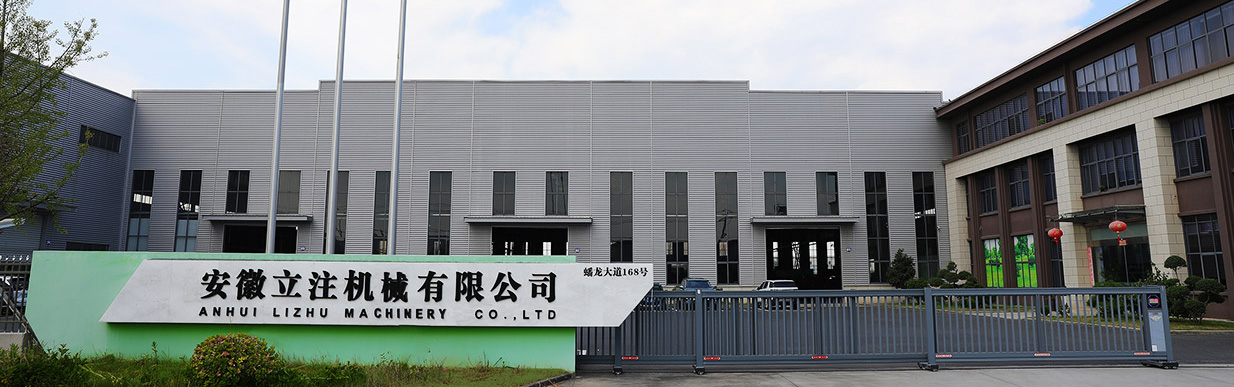
LIZHU Machinery Co., Ltd. was founded in 2011, is a leading company in high-speed precision injection molding...
View More
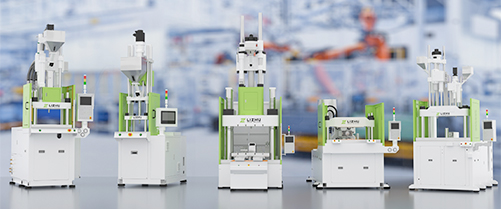
At present, we have various models of standard machines, skateboard machines, disc machines, and multi-color machines under 2000 tons.
View More
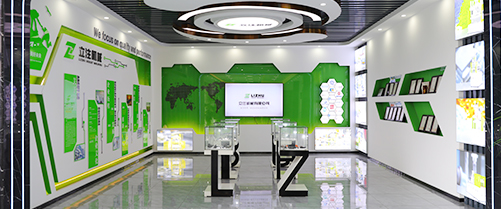
Check out the latest from the injection molding machine about the topics relevant to your industry and manufacturing process.
View More

Industry News

What Is a Precision Injection Molding Machine and How Does It Work?
2026-02-25
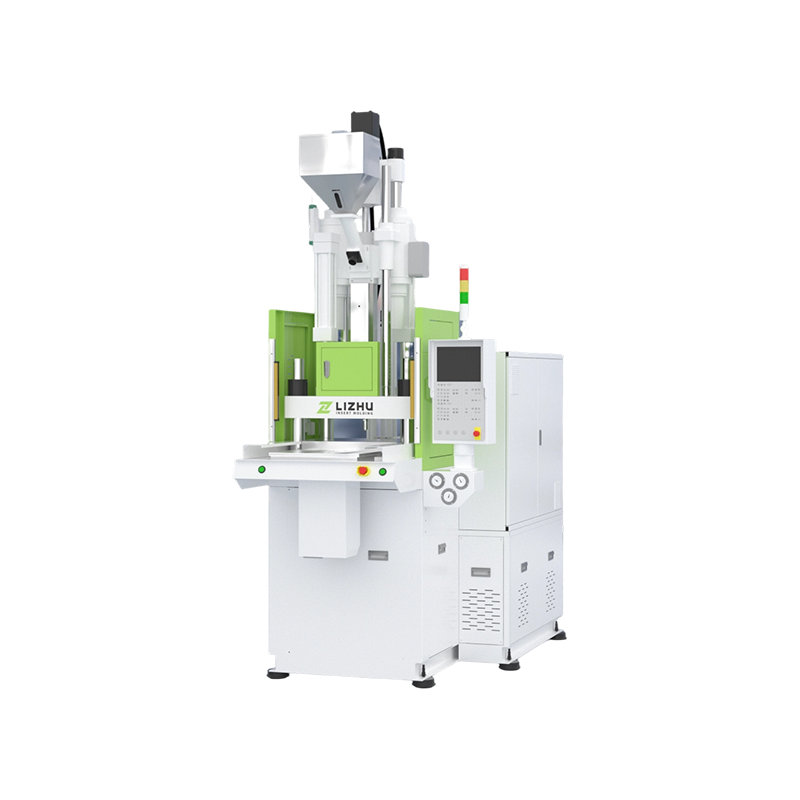
Precision injection molding has become a cornerstone in modern manufacturing, particularly in industries demanding highly accurate plastic components. A Precision Injection Molding Machine is designed to produce consistent, high-quality parts with tight tolerances, combining advanced mechanical, hydraulic, and electronic systems for optimal performance.
Understanding a Precision Injection Molding Machine
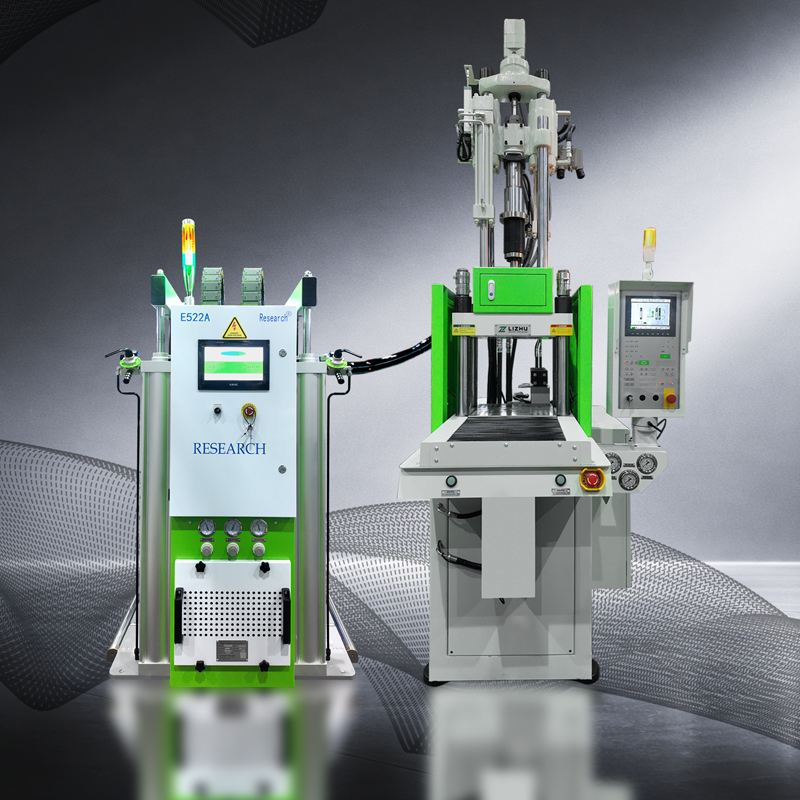
A Precision Injection Molding Machine is a specialized device used to produce plastic components by injecting molten plastic into molds under high pressure. Unlike standard injection molding machines, precision models provide enhanced control over temperature, injection speed, clamping force, and mold movement, ensuring exceptional dimensional accuracy and surface finish.
Core Components
- Injection Unit: Melts the plastic resin and injects it into the mold with high precision.
- Clamping Unit: Holds the mold firmly in place, applying uniform pressure to prevent defects.
- Control System: Digital or PLC-based systems manage the entire process, allowing fine-tuning of parameters for repeatable results.
- Hydraulic or Electric Drives: Depending on the model, these drives regulate the injection and clamping movements with precise control.
How a Precision Injection Molding Machine Works
The operation of a Precision Injection Molding Machine involves several critical stages:
1. Material Preparation
Plastic granules are dried and fed into the hopper to ensure consistent quality. Moisture-free resin is crucial for preventing defects such as bubbles or voids.
2. Melting and Injection
The resin is melted in the barrel using controlled heat and screw rotation. The molten plastic is then injected into the mold cavity at precisely calculated pressure and speed.
3. Cooling and Solidification
Once injected, the molten plastic cools and solidifies inside the mold. The cooling time is closely monitored to maintain dimensional accuracy and prevent warping.
4. Mold Opening and Part Ejection
After solidification, the clamping unit opens the mold, and the finished part is ejected carefully to avoid damage. Advanced machines may use robotic arms for precise part removal.
Types of Precision Injection Molding Machines
Precision injection molding machines can be categorized based on their drive mechanisms and functionality:
| Type | Description | Advantages |
| Hydraulic Precision Injection Molding Machine | Uses hydraulic systems for injection and clamping, offering strong force and adaptability to large molds. | High force, cost-effective, suitable for large parts |
| Electric Precision Injection Molding Machine | Fully electric drives control all machine movements, offering extremely precise and repeatable operations. | Energy-efficient, high precision, low maintenance |
| Hybrid Precision Injection Molding Machine | Combines hydraulic and electric drives to balance speed, precision, and force for various applications. | Optimized performance, flexible, energy-efficient |
Applications of Precision Injection Molding Machines
Industries that require high-accuracy plastic components rely heavily on Precision Injection Molding Machines:
- Electronics – connectors, housings, and intricate components.
- Automotive – sensors, interior components, and functional plastics.
- Medical – surgical instruments, labware, and precision casings.
- Aerospace – lightweight, high-tolerance parts for assemblies.
- Consumer Goods – high-quality plastic products with fine details.
Advantages of Using Precision Injection Molding Machines
- High Dimensional Accuracy: Ensures parts meet tight tolerances consistently.
- Repeatability: Identical parts can be produced in large volumes without variation.
- Energy Efficiency: Electric and hybrid machines consume less energy than traditional hydraulic models.
- Reduced Waste: Precision control minimizes defects and scrap material.
- Flexibility: Can handle complex molds and multi-component assemblies.
Comparison with Standard Injection Molding Machines
| Feature | Standard Injection Molding Machine | Precision Injection Molding Machine |
| Dimensional Accuracy | Moderate, tolerances vary | High, tight tolerances achievable |
| Energy Consumption | Higher, hydraulic systems | Lower, especially in electric or hybrid models |
| Cycle Time | Moderate to fast | Optimized for consistent quality, may vary slightly |
| Applications | Mass production of general plastic parts | High-precision parts in electronics, medical, automotive |
| Maintenance | More frequent due to hydraulic wear | Reduced, especially for electric drives |
Materials and Structure
Precision injection molding machines are built using high-strength steel frames, corrosion-resistant barrels, and wear-resistant screws. The materials used ensure longevity, stability, and reliable performance. Key features include:
- Barrel and Screw: High-quality alloy steel with precise tolerances for consistent melting and injection.
- Clamping Unit: Designed to provide uniform pressure distribution for complex molds.
- Control System: PLC or touchscreen interfaces allow programmable profiles for different materials and molds.
Installation and Operational Tips
- Ensure a level foundation to maintain accuracy and prevent machine stress.
- Calibrate temperature zones and injection speed before production runs.
- Perform regular maintenance on screw, barrel, and hydraulic/electric drives.
- Use high-quality, moisture-free resin to reduce defects.
- Monitor cycle times and cooling rates to optimize part quality.
Frequently Asked Questions (FAQ)
Q1: What types of plastics can a Precision Injection Molding Machine handle?
Thermoplastics like ABS, PC, PP, PE, and engineering plastics such as PEEK and PPSU are commonly used. Specialty materials can also be processed depending on the machine's temperature and pressure capabilities.
Q2: Are electric precision machines better than hydraulic ones?
Electric machines offer higher energy efficiency, precision, and lower maintenance but may have lower clamping force. Hydraulic machines are still preferred for very large molds requiring high force. Hybrid machines combine the best of both.
Q3: How can precision injection molding reduce production waste?
By maintaining strict control over temperature, injection pressure, and cycle times, defective parts are minimized, and material scrap is significantly reduced.
Q4: What industries benefit the most from precision injection molding?
Medical, automotive, electronics, aerospace, and high-end consumer goods industries require the high accuracy and repeatability that precision machines offer.
Q5: How does a precision machine affect production costs?
While the initial investment may be higher than standard machines, reduced material waste, higher product quality, and less downtime result in overall cost savings for large-scale, high-precision manufacturing.
Conclusion
The Precision Injection Molding Machine is a vital tool for industries demanding high-accuracy plastic components. Its advanced control over the injection process ensures consistent quality, energy efficiency, and reduced material waste. By understanding the machine's working principle, types, applications, and maintenance needs, manufacturers can optimize production and deliver superior products in competitive markets.
News categories
Product categories
Exhibition Information
-
How to choose high cost-effective standard vertical injection molding machines?
Oct 10,2025 -
Key points for maintenance and upkeep of the mechanical part of the vertical injection molding machine
Oct 10,2025 -
Why do the medical and 3C industries favor vertical electric injection molding machines?
Oct 10,2025
Content
- 1 Understanding a Precision Injection Molding Machine
- 2 How a Precision Injection Molding Machine Works
- 3 Types of Precision Injection Molding Machines
- 4 Applications of Precision Injection Molding Machines
- 5 Advantages of Using Precision Injection Molding Machines
- 6 Comparison with Standard Injection Molding Machines
- 7 Materials and Structure
- 8 Installation and Operational Tips
- 9 Frequently Asked Questions (FAQ)
- 9.1 Q1: What types of plastics can a Precision Injection Molding Machine handle?
- 9.2 Q2: Are electric precision machines better than hydraulic ones?
- 9.3 Q3: How can precision injection molding reduce production waste?
- 9.4 Q4: What industries benefit the most from precision injection molding?
- 9.5 Q5: How does a precision machine affect production costs?
- 10 Conclusion

-
 +86-(0)512-6598 3406
 -
 +86-138 6210 7502
 -

-
 Zhaoyao Science and Technology Park, No. 573 Ruyuan Road, Chengyang Subdistrict, Xiangcheng District, Suzhou, Jiangsu Province, China
Copyright © 2025 Suzhou Lizhu Machinery Co., Ltd. All Rights Reserved.
China precision injection molding machine manufacturers custom precision injection molding machine supplier
