 中文简体
中文简体
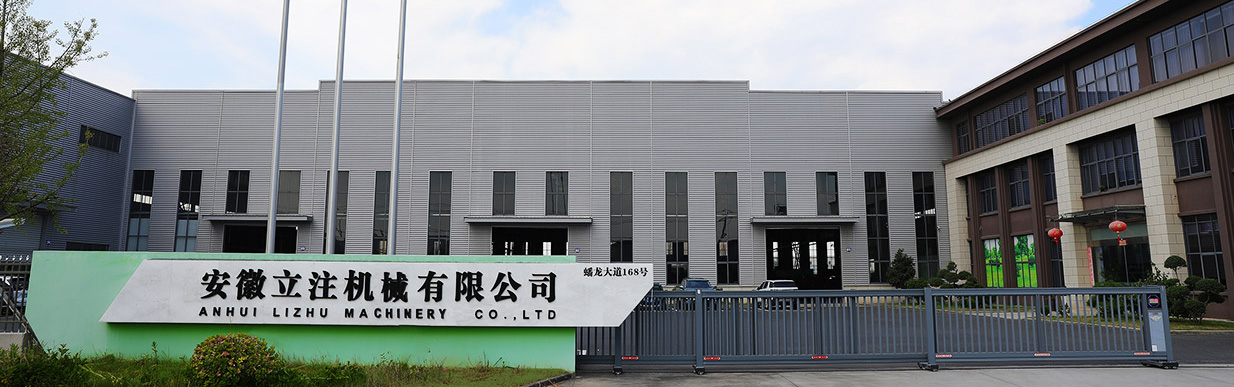
LIZHU Machinery Co., Ltd. was founded in 2011, is a leading company in high-speed precision injection molding...
View More
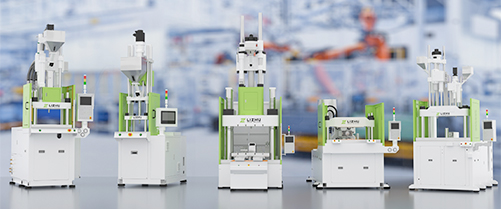
At present, we have various models of standard machines, skateboard machines, disc machines, and multi-color machines under 2000 tons.
View More
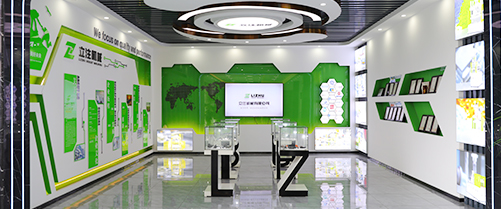
Check out the latest from the injection molding machine about the topics relevant to your industry and manufacturing process.
View More

Industry News

What Are the Key Components of a Precision Injection Molding Machine?
2026-02-26
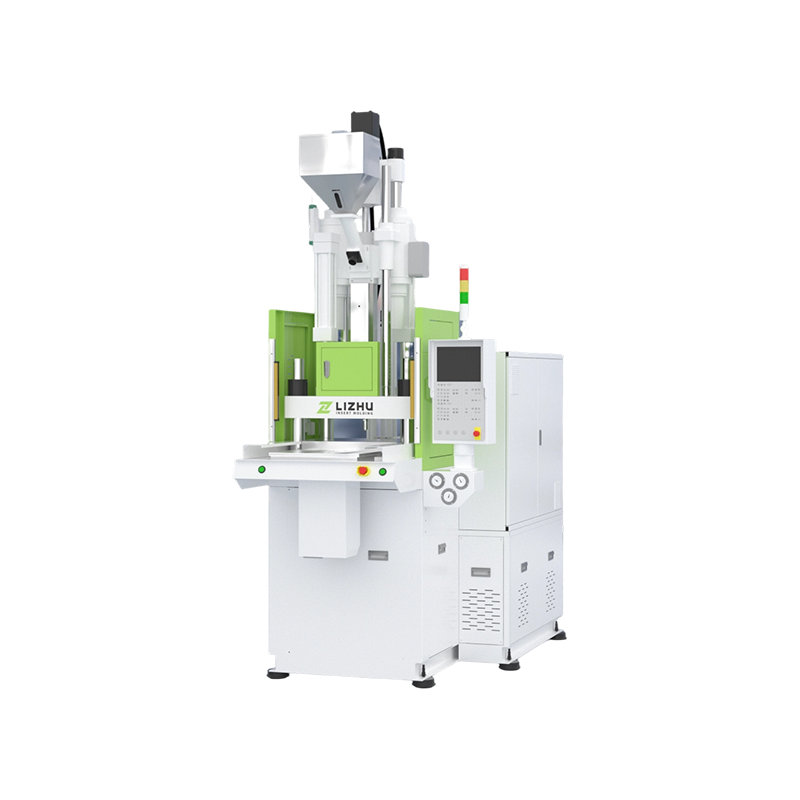
A precision injection molding machine is a sophisticated piece of manufacturing equipment designed to produce high-accuracy plastic parts with tight tolerances and consistent quality. Understanding its core components is essential for engineers, procurement teams, and manufacturers who rely on this technology for everything from automotive parts to medical devices.
Each subsystem of a precision injection molding machine plays a critical role in ensuring process stability, repeatability, and dimensional accuracy. Below is a comprehensive breakdown of every major component.
1. The Injection Unit
The injection unit is the heart of any precision injection molding machine. It is responsible for melting, metering, and injecting plastic material into the mold cavity under controlled pressure and speed.
1.1 Screw and Barrel Assembly
The reciprocating screw rotates inside a heated barrel to plasticize raw resin pellets. In a precision injection molding machine, the screw geometry — including the L/D ratio, compression ratio, and flight depth — is carefully engineered for specific materials like nylon, PEEK, or polycarbonate.
- L/D Ratio: Typically 20:1 to 25:1 for engineering resins
- Compression Ratio: 2.5:1 to 3.5:1 depending on material viscosity
- Barrel Temperature Zones: Multiple independent PID-controlled heating bands ensure uniform melt temperature
1.2 Non-Return Valve (Check Ring)
This small but critical component prevents molten plastic from flowing backward during injection. In precision applications, a worn check ring can cause shot-to-shot weight variation of ±0.5 g or more, directly impacting part dimensions.
1.3 Nozzle and Nozzle Heater
The nozzle connects the barrel to the mold sprue. Precision machines use temperature-controlled nozzles that eliminate cold slugs and drool, ensuring clean, consistent gate fill every cycle.
2. The Clamping Unit
The clamping unit holds the mold halves together against the high injection pressures — sometimes exceeding 2,000 bar — generated during filling. Insufficient clamp force leads to flash; excessive force causes premature mold wear.
2.1 Toggle vs. Direct Hydraulic Clamping
| Feature | Toggle Clamping | Direct Hydraulic Clamping |
| Speed | Faster cycle times | Slower, more controlled |
| Force Consistency | Mechanically amplified | Highly precise and adjustable |
| Maintenance | More wear points | Simpler structure |
| Best For | High-volume production | Precision / large parts |
| Energy Efficiency | Moderate | Higher energy use at full force |
2.2 Tie Bars and Platens
Four tie bars guide the moving platen and distribute clamping force evenly across the mold surface. In a precision injection molding machine, platen parallelism is held to within 0.02 mm to prevent uneven parting line flash.
2.3 Ejector System
Hydraulic or electric ejector pins push finished parts from the mold. Precision machines offer programmable multi-stage ejection with position and force feedback to avoid part deformation during demolding.
3. The Mold (Tooling)
Though technically not part of the machine itself, the mold is the defining component that determines part geometry. In precision injection molding, mold quality directly dictates achievable tolerances.
3.1 Core and Cavity
Machined from hardened tool steel (P20, H13, or S136), the core forms the inner surface and the cavity forms the outer surface of the part. EDM and CNC finishing achieves surface roughness of Ra 0.1–0.4 µm for optical or medical parts.
3.2 Cooling Channels
Conformal cooling channels, increasingly produced via metal 3D printing, follow the contour of the part to minimize cycle time and reduce warpage. Temperature uniformity across the mold face should stay within ±2°C.
3.3 Gate and Runner System
- Cold Runner: Simple, low-cost; requires runner removal and recycling
- Hot Runner: Eliminates waste, enables faster cycles, ideal for precision multi-cavity tools
- Valve Gate: Provides precise control of fill timing, critical for sequential injection molding
4. The Drive System: Hydraulic vs. Electric vs. Hybrid
The drive system powers all machine movements. The choice of drive technology has a major impact on precision, speed, and energy consumption in a precision injection molding machine.
| Drive Type | Precision | Energy Use | Noise Level | Initial Cost |
| Hydraulic | Moderate | High | Loud | Lower |
| All-Electric | Highest | 30–70% less | Quiet | Higher |
| Hybrid | High | Moderate savings | Moderate | Mid-range |
For applications demanding the tightest tolerances — such as optical lenses or micro-medical components — all-electric precision injection molding machines are the industry standard due to their servo-motor-driven repeatability of ±0.01 mm or better.
5. The Control System (Machine Controller)
The control system is the brain of the precision injection molding machine. Modern machines use CNC-grade multi-axis controllers with real-time process monitoring and closed-loop feedback.
5.1 Key Control Parameters
- Injection Velocity Profile: Multi-stage speed control (up to 20 stages) minimizes shear stress and hesitation marks
- Holding Pressure: Programmed in multiple stages after the injection-to-pack switchover
- V/P Switchover: Triggered by position, pressure, or screw travel — position-based is most precise
- Back Pressure: Controls melt density and homogeneity during plasticizing
- Mold Temperature Control: Integrated or external temperature control units (TCUs) with ±0.1°C stability
5.2 Data Logging and Quality Integration
Industry 4.0-ready precision injection molding machines export cycle-by-cycle process data via OPC-UA or EUROMAP 77 protocols to MES or SPC systems, enabling Statistical Process Control (SPC) and traceability for ISO 13485 or IATF 16949-certified operations.
6. The Hydraulic System
Even in predominantly electric machines, a hydraulic circuit often handles core pulls, ejection assists, or clamp locking. Key elements include:
- Variable Displacement Pump: Delivers flow on demand, reducing energy waste vs. fixed-displacement pumps
- Proportional Valves: Provide analog control of pressure and flow for smooth, repeatable motion
- Oil Cooler and Filter: Maintains hydraulic oil at 40–50°C and cleanliness class ISO 16/14/11 to prevent valve wear
- Accumulators: Deliver high-peak injection flow without oversizing the pump motor
7. The Mold Temperature Control System
Maintaining precise mold temperature is one of the most underestimated factors in precision injection molding. Temperature control units (TCUs) circulate water or oil through the mold's cooling channels.
- Water TCUs (up to 90°C): Standard for commodity resins; fast heat transfer
- Oil TCUs (up to 300°C): Required for high-temperature resins like PEEK, PPS, or LCP
- Variotherm Systems: Rapidly cycle mold temperature between filling (hot) and cooling (cold) phases — critical for weld-line-free optical parts
8. Auxiliary Components and Peripheral Equipment
A complete precision injection molding machine setup includes several peripheral systems that are equally critical to process consistency:
| Peripheral | Function | Impact on Precision |
| Hopper Dryer | Removes moisture from hygroscopic resins | Prevents splay, voids, and degradation |
| Gravimetric Blender | Mixes virgin resin with colorant or regrind | Ensures consistent shot composition |
| Chiller | Supplies precise-temperature cooling water | Reduces cycle variation, minimizes warpage |
| Robot / Sprue Picker | Removes parts or runners automatically | Prevents part damage, enables clean-room use |
| Vision Inspection System | Automated dimensional/cosmetic checking | 100% inline quality assurance |
Frequently Asked Questions (FAQ)
Summary: Components at a Glance
| Component | Primary Role | Precision Impact |
| Injection Unit | Melt and inject plastic | Shot weight, fill consistency |
| Clamping Unit | Hold mold closed | Flash prevention, parting line quality |
| Mold / Tooling | Define part geometry | Dimensional accuracy, surface finish |
| Drive System | Power all machine axes | Repeatability, energy efficiency |
| Control System | Manage process parameters | Cycle-to-cycle consistency, traceability |
| Hydraulic System | Actuate secondary functions | Smooth, controlled auxiliary motion |
| Mold Temperature TCU | Control mold thermal state | Warpage, shrinkage, cycle time |
| Auxiliary Equipment | Support material and part handling | Material quality, automation reliability |
Selecting and optimizing each of these components in tandem is what separates a high-performing precision injection molding machine from a commodity press. Whether designing a cleanroom medical line or a high-speed optical component cell, a systems-level understanding of these eight building blocks is the foundation of process excellence.
News categories
Product categories
Exhibition Information
-
How to choose high cost-effective standard vertical injection molding machines?
Oct 10,2025 -
Key points for maintenance and upkeep of the mechanical part of the vertical injection molding machine
Oct 10,2025 -
Why do the medical and 3C industries favor vertical electric injection molding machines?
Oct 10,2025
Content
- 1 1. The Injection Unit
- 2 2. The Clamping Unit
- 3 3. The Mold (Tooling)
- 4 4. The Drive System: Hydraulic vs. Electric vs. Hybrid
- 5 5. The Control System (Machine Controller)
- 6 6. The Hydraulic System
- 7 7. The Mold Temperature Control System
- 8 8. Auxiliary Components and Peripheral Equipment
- 9 Frequently Asked Questions (FAQ)
- 10 Summary: Components at a Glance

-
 +86-(0)512-6598 3406
 -
 +86-138 6210 7502
 -

-
 Zhaoyao Science and Technology Park, No. 573 Ruyuan Road, Chengyang Subdistrict, Xiangcheng District, Suzhou, Jiangsu Province, China
Copyright © 2025 Suzhou Lizhu Machinery Co., Ltd. All Rights Reserved.
China precision injection molding machine manufacturers custom precision injection molding machine supplier
