中文简体
中文简体

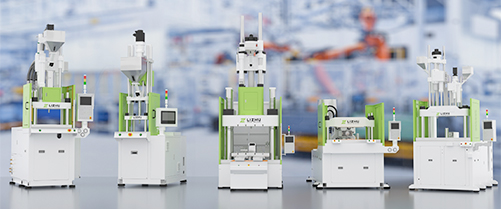


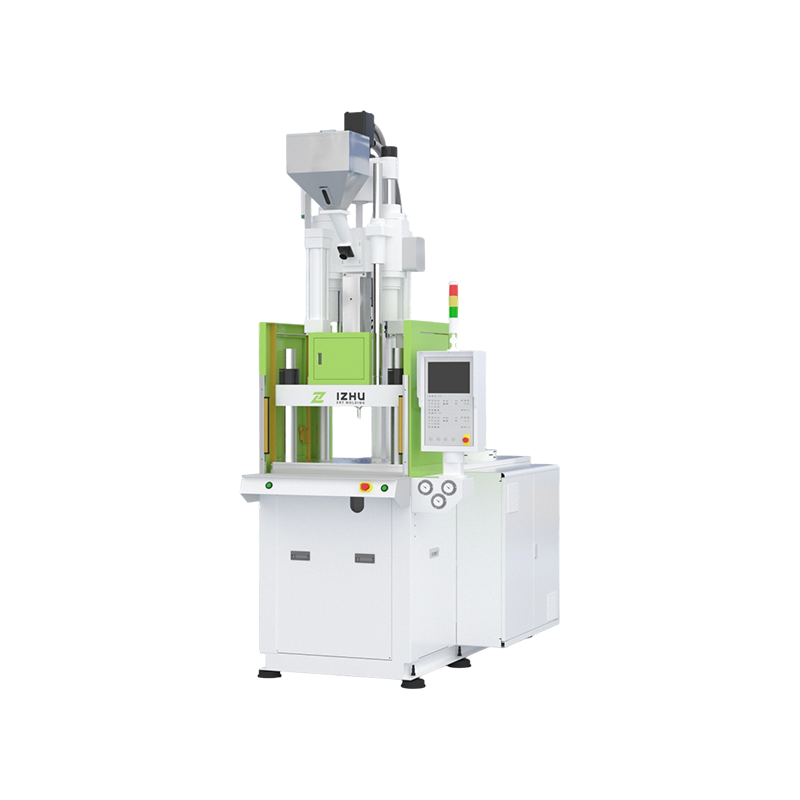
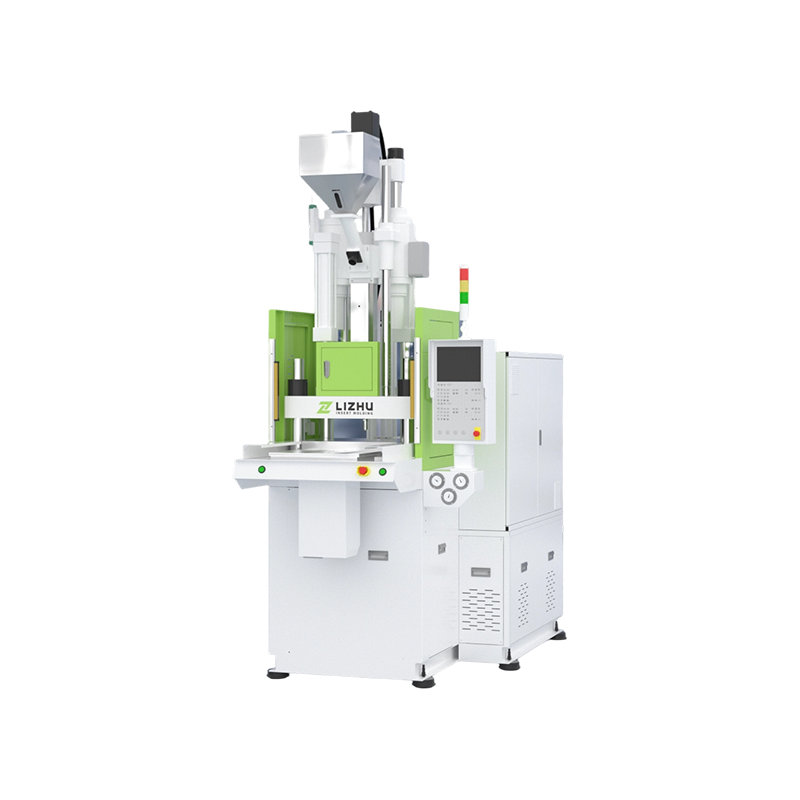
Hydraulic moulding machines remain the dominant force in the global injection molding machine market, holding approximately 51-53% market share in 2024-2025, but the rise of electric and hybrid technologies is reshaping manufacturing decisions worldwide. Whether you are investing in new equipment or upgrading existing production lines, understanding the fundamental differences between hydraulic moulding machines and modern injection molding machines is crucial for optimizing your manufacturing operations, reducing operational costs, and maintaining competitive advantages in an increasingly demanding marketplace.
What Is a Hydraulic Moulding Machine and How Does It Work?
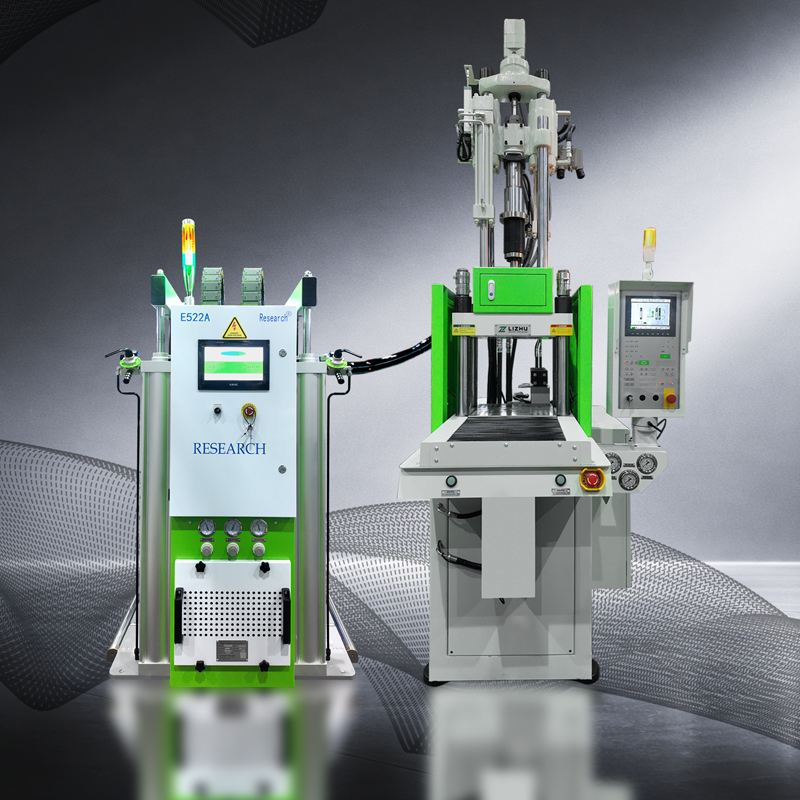
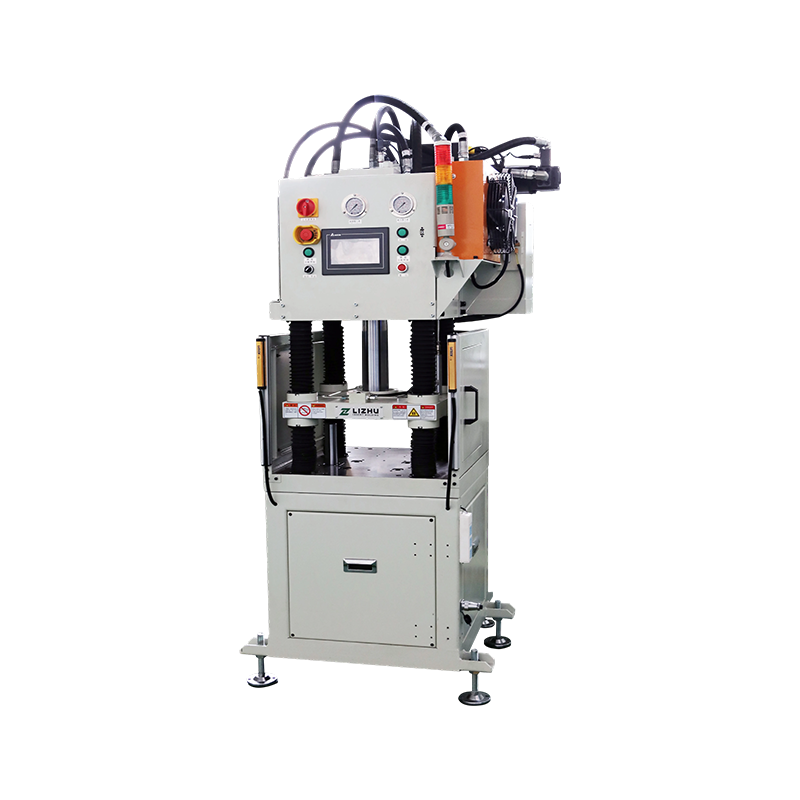
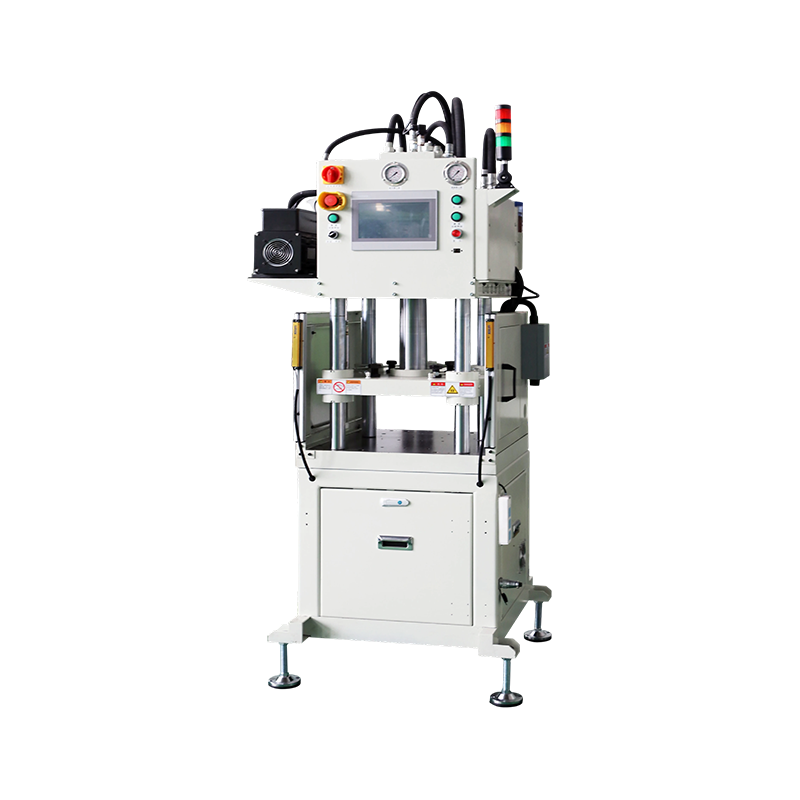
A hydraulic moulding machine utilizes hydraulic oil under pressure to generate the force required for injection, clamping, and ejection processes. The core mechanism involves a hydraulic pump that pressurizes oil, which is then delivered through sophisticated valve systems to hydraulic cylinders controlling each axis of the machine. This proven technology has served the plastics industry for decades, offering robust performance across diverse applications from automotive components to industrial packaging.
The hydraulic moulding machine operates through a continuous cycle: raw plastic material is fed into a heated barrel, melted by heat and shear forces from a rotating screw, and then injected under high pressure into a mold cavity. The hydraulic system provides the substantial force—often exceeding 6,000 tons in large industrial applications—necessary to keep the mold closed during injection and packing phases. This force generation capability remains one of the primary advantages of hydraulic technology over alternative systems.
Understanding the Injection Molding Machine Market Landscape
The global injection molding machine market was valued at approximately USD 18.2 billion in 2024 and is projected to reach USD 30.2 billion by 2034, growing at a CAGR of 5.2%. This substantial growth reflects increasing demand across automotive, packaging, consumer goods, and electronics sectors. Within this market, hydraulic technology maintains its leadership position, particularly in heavy-duty applications requiring sustained high pressure and large clamping forces.
| Technology Type | Market Share (2024) | Growth Rate (CAGR) | Primary Applications |
|---|---|---|---|
| Hydraulic Moulding Machine | 51-53% | 2.2-4.8% | Large automotive parts, industrial containers, thick-walled products |
| All-Electric Injection Molding Machine | 30% | 5.5-9.8% | Medical devices, electronics, precision components, cleanroom applications |
| Hybrid (Servo-Hydraulic) | 15-19% | 6-7% | Balanced applications requiring both power and precision |
Key Advantages of Hydraulic Moulding Machines
Hydraulic moulding machines deliver superior clamping force capabilities and cost-effectiveness for high-tonnage applications. These machines excel in producing large automotive components such as bumpers, dashboards, and industrial containers where clamping forces often exceed 2,000 tons. The hydraulic system's ability to maintain consistent pressure over extended periods makes it ideal for thick-walled parts requiring long hold times to prevent sink marks and internal voids.
Superior Force Generation and Durability
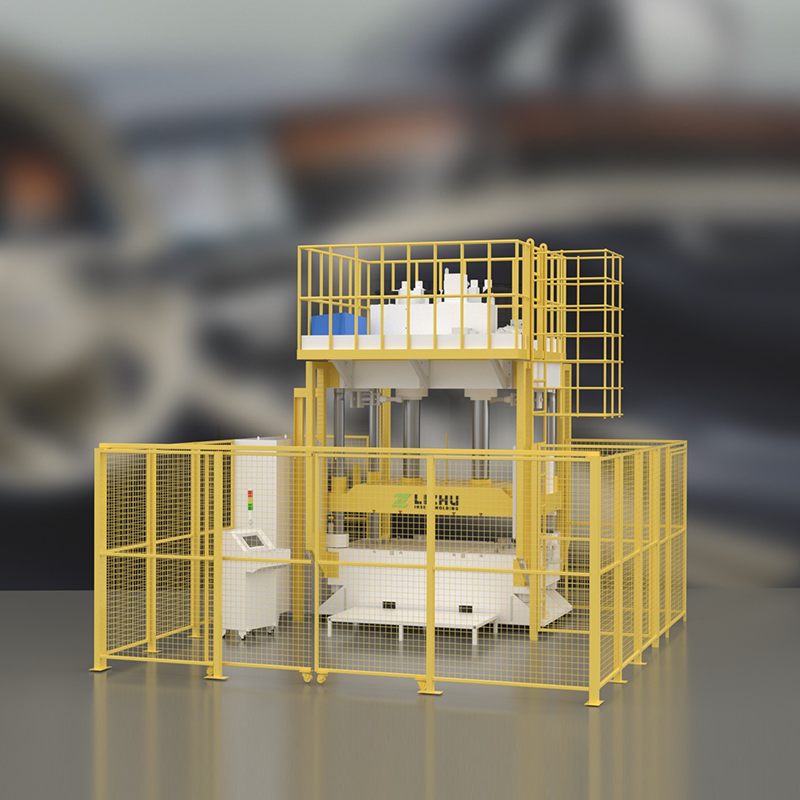
Hydraulic systems provide virtually unlimited clamping capacity with forces exceeding 6,000 tons available in specialized industrial configurations. This exceptional force generation capability enables manufacturers to produce large structural components, automotive body panels, and heavy industrial parts that would be impossible with electric alternatives. The robust mechanical design of hydraulic moulding machines ensures decades of reliable operation with proper maintenance, making them a staple in heavy manufacturing environments.
Lower Initial Investment Costs
Hydraulic moulding machines typically require 30-40% lower capital investment compared to all-electric alternatives of equivalent tonnage. This cost advantage makes hydraulic technology accessible to small and medium enterprises, emerging manufacturers, and operations in developing markets. The established supply chain and widespread availability of hydraulic components further reduce procurement costs and maintenance expenses.
Material Versatility and Processing Flexibility
Hydraulic injection molding machines demonstrate exceptional versatility across diverse material types including high-viscosity engineering plastics, thermosetting polymers, and fiber-reinforced composites. The hydraulic system's smooth, high-force motion accommodates materials requiring high injection pressures and extended plasticizing times. This flexibility proves invaluable for manufacturers processing multiple material grades or frequently changing production requirements.
Limitations and Challenges of Hydraulic Moulding Machines
Despite their advantages, hydraulic moulding machines consume significantly more energy and require more intensive maintenance compared to electric alternatives. Traditional hydraulic systems utilize fixed-speed motors that run continuously, even during idle periods such as part cooling and mold changeovers. This "always-on" design can waste up to 60% of energy, directly impacting operational costs and environmental footprints.
Energy Consumption and Environmental Impact
Conventional hydraulic injection molding machines typically consume 1.4-1.6 kWh per kilogram of plastic produced, compared to 0.9-1.1 kWh/kg for all-electric machines. A standard 100-ton hydraulic machine consumes 15-25 kWh per hour during active production, while larger 500-ton machines use 50-80 kWh per hour. For a 500-ton machine operating 6,000 hours annually, this translates to energy costs of approximately 473,400 PLN (USD 118,000) per year at European electricity rates—significantly higher than electric alternatives.
Maintenance Requirements and Operating Costs
Annual maintenance costs for hydraulic moulding machines range from 3-5% of machine value, typically USD 5,000 to USD 50,000 depending on machine size and operational intensity. These costs encompass hydraulic oil changes every 4,000-6,000 hours (200-300 liters), filter replacements every 1,000-2,000 hours, seal maintenance, and potential leak repairs. Hydraulic oil management presents ongoing challenges including contamination monitoring, temperature control, and periodic fluid replacement. Unexpected failures in hydraulic systems can result in significant downtime and emergency repair expenses.
The Evolution: Servo-Hydraulic and Hybrid Injection Molding Machines
Modern servo-hydraulic injection molding machines achieve energy savings of 40-45% compared to traditional hydraulic systems while maintaining high force capabilities. This hybrid approach combines servo motor control with hydraulic power delivery, allowing the pump to stop or slow during idle periods and precisely match output to demand. The servo motor dynamically adjusts pump rotation speed, eliminating the energy waste associated with constant-speed operation.
Advanced hybrid systems incorporate regenerative technologies that recover braking energy during deceleration phases, redirecting this power to barrel heating or other machine functions. Manufacturers report that servo-hydraulic systems can reduce CO2 emissions by approximately 126 tons annually for a 500-ton machine operating continuously—equivalent to removing 27 vehicles from the road. These environmental benefits align with increasing regulatory pressures and corporate sustainability initiatives.
The precision improvements offered by servo-hydraulic technology are equally significant. By controlling pump speed with servo motors, pressure variations remain within ±0.5 bar of set values, dramatically improving part consistency compared to conventional hydraulic systems. This enhanced control enables manufacturers to produce high-precision components previously requiring all-electric machines, bridging the gap between hydraulic power and electric precision.
Comprehensive Comparison: Hydraulic vs. Electric vs. Hybrid Injection Molding Machines
| Comparison Factor | Hydraulic Moulding Machine | All-Electric Injection Molding Machine | Hybrid (Servo-Hydraulic) |
|---|---|---|---|
| Initial Investment | Lowest (100% baseline) | Highest (140-160%) | Moderate (110-130%) |
| Energy Consumption (kWh/kg) | 1.4-1.6 (Baseline) | 0.9-1.1 (30-50% savings) | 1.0-1.2 (20-30% savings) |
| Maximum Clamping Force | 6,000+ tons | Up to 1,500-2,000 tons | 4,000+ tons |
| Precision & Repeatability | Good (±0.5-1.0mm) | Excellent (±0.01-0.05mm) | Very Good (±0.1mm) |
| Maintenance Costs (Annual) | 3-5% of machine value | 1-2% of machine value | 2-3% of machine value |
| Noise Levels | High (75-85 dB) | Low (60-70 dB) | Moderate (70-80 dB) |
| Cycle Time | Standard | Fast (10-30% faster) | Fast (15-25% faster) |
| Best Applications | Large parts, thick walls, high pressure, automotive | Medical, electronics, precision, cleanroom | General purpose, medium precision, energy-conscious |
Selecting the Right Injection Molding Machine for Your Application
Choosing between a hydraulic moulding machine and alternative technologies requires careful analysis of your specific production requirements, budget constraints, and long-term operational goals. The decision matrix involves evaluating part specifications, production volumes, material characteristics, precision requirements, and total cost of ownership over the equipment lifecycle.
When to Choose a Hydraulic Moulding Machine
- Large-tonnage requirements exceeding 1,000 tons for automotive bumpers, industrial pallets, or large structural components
- Thick-walled parts requiring extended hold pressures to prevent sink marks and internal voids
- Limited capital budgets where lower initial investment outweighs long-term operational costs
- High-viscosity materials or fiber-reinforced composites requiring sustained high injection pressures
- Operations in emerging markets where maintenance infrastructure for sophisticated electronics may be limited
When to Consider Electric or Hybrid Alternatives
- High-precision applications such as medical devices, optical components, or micro-electronics requiring tolerances below ±0.01mm
- Cleanroom manufacturing environments where hydraulic oil contamination risks must be eliminated
- Thin-wall packaging applications requiring fast cycle times and precise injection control
- Sustainability-focused operations prioritizing energy efficiency and carbon footprint reduction
- High-volume production where reduced cycle times and lower per-part costs justify higher capital investment
Industry 4.0 Integration and Smart Manufacturing
Modern hydraulic moulding machines increasingly incorporate Industry 4.0 technologies including IoT connectivity, predictive maintenance systems, and real-time production monitoring. These smart features enable manufacturers to optimize machine performance, reduce unplanned downtime by 20-40%, and improve overall equipment effectiveness (OEE). Advanced control systems now allow hydraulic machines to achieve precision levels previously associated only with electric alternatives.
Predictive maintenance algorithms analyze vibration patterns, oil quality metrics, and thermal data to forecast component failures before they occur. This proactive approach can reduce maintenance costs by 25-40% while extending machine lifespan. Remote monitoring capabilities enable technical support teams to diagnose issues and optimize parameters without on-site visits, reducing response times and service costs. Smart systems contribute to a 25% reduction in scrap rates through early anomaly detection and process optimization.
Frequently Asked Questions (FAQ)
Q1: What is the typical lifespan of a hydraulic moulding machine?
A well-maintained hydraulic moulding machine can operate effectively for 20-30 years or more. The robust mechanical design and widespread availability of replacement components contribute to exceptional longevity. Regular maintenance including oil changes, seal replacements, and filter servicing is essential for maximizing operational lifespan. Mean time between failures (MTBF) typically ranges from 3,000-5,000 hours for hydraulic systems compared to 8,000-12,000 hours for electric machines.
Q2: Can hydraulic injection molding machines be retrofitted with servo technology?
Yes, many existing hydraulic machines can be upgraded with servo pump systems to achieve 40-45% energy savings. Retrofit packages typically include servo motors, variable frequency drives, and upgraded control systems. While retrofit costs vary based on machine size and configuration, return on investment typically occurs within 2-4 years through energy savings alone. Modernization of older hydraulic machines to servo-hydraulic systems is increasingly popular as manufacturers seek to balance capital constraints with sustainability goals.
Q3: How do maintenance costs compare between hydraulic and electric injection molding machines?
Hydraulic moulding machines typically incur annual maintenance costs of 3-5% of machine value, while electric machines require only 1-2%. For a mid-sized machine, this translates to USD 5,000-USD 50,000 annually for hydraulic systems versus USD 1,000-USD 8,000 for electric alternatives. However, electric machine repairs often require specialized technicians and expensive electronic components when failures do occur, while hydraulic systems benefit from widespread service expertise and readily available spare parts.
Q4: Are hydraulic moulding machines suitable for cleanroom applications?
Standard hydraulic machines pose contamination risks due to potential oil leaks and vapor emissions. However, sealed hydraulic systems and proper enclosure designs can enable hydraulic machine operation in controlled environments. For strict cleanroom requirements (ISO Class 7 or better), all-electric machines remain the preferred choice due to elimination of hydraulic fluids entirely. The medical and food-grade industries predominantly specify electric machines for critical applications.
Q5: What clamping force range is available for hydraulic injection molding machines?
Hydraulic moulding machines are available across the entire clamping force spectrum from 50 tons to over 6,000 tons. Small machines (50-200 tons) serve precision applications, medium machines (200-1,000 tons) handle general manufacturing, and large machines (1,000+ tons) produce automotive and industrial components. This broad range ensures hydraulic solutions exist for virtually every application requirement, particularly dominating the above-500-ton segment which is growing at 8.7% CAGR through 2034.
Q6: How much energy can be saved by upgrading from traditional hydraulic to servo-hydraulic systems?
Servo-hydraulic upgrades typically deliver 40-60% energy savings compared to traditional fixed-speed hydraulic systems. For a 500-ton machine operating 6,000 hours annually at 100 kg/h throughput, this translates to approximately 240,000 kWh savings and USD 30,000-USD 40,000 cost reduction annually at average industrial electricity rates. Additional benefits include reduced cooling requirements, extended hydraulic oil life, and improved part consistency through precise pressure control.
Q7: Which industries predominantly use hydraulic moulding machines?
The automotive industry represents the largest end-user segment, accounting for approximately 34% of injection molding machine demand and generating over USD 5.2 billion in hydraulic machine revenue in 2024. Other significant sectors include packaging (20%), consumer goods (18%), electronics (15%), and building/construction (12%). Within these industries, hydraulic machines dominate large-part production, structural components, and applications requiring sustained high pressure. The Asia-Pacific region leads consumption with over 40% of global market share.
Q8: What is the typical ROI period when switching from hydraulic to electric injection molding machines?
Return on investment for electric machines replacing hydraulic units typically ranges from 24-36 months when accounting for energy savings, reduced maintenance, and improved productivity. Case studies demonstrate that manufacturers achieving 42% energy reduction, 77% downtime decrease, and 12% scrap rate improvement can achieve payback periods as short as 28 months when combined with available government grants and tax incentives. The total cost of ownership advantage becomes increasingly significant over the 10-15 year machine lifespan.
Future Outlook: The Continuing Relevance of Hydraulic Technology
Despite rapid growth in electric and hybrid technologies, hydraulic moulding machines will maintain significant market presence through at least 2034. The Asia-Pacific region, commanding over 40% of global market share, continues driving hydraulic machine demand through expanding automotive and consumer goods manufacturing. China and India specifically favor hydraulic technology for large-scale production facilities where initial cost considerations and maintenance infrastructure favor proven hydraulic solutions.
Innovation in hydraulic systems continues with developments in biodegradable hydraulic fluids, advanced filtration systems, and intelligent pump controls that narrow the efficiency gap with electric alternatives. The emergence of "smart hydraulics" combining traditional power capabilities with digital precision control represents the next evolution, potentially extending hydraulic technology relevance for decades. The above-500-ton machine segment is projected to grow at 8.7% CAGR through 2034, ensuring continued demand for high-capacity hydraulic systems.
Conclusion: Making the Informed Decision
The choice between a hydraulic moulding machine and alternative injection molding technologies ultimately depends on your specific manufacturing context. Hydraulic machines deliver unmatched value for large-tonnage applications, thick-walled parts, and operations prioritizing capital efficiency over long-term energy costs. Their proven reliability, extensive service networks, and straightforward maintenance procedures ensure continued relevance in industrial manufacturing.
However, manufacturers prioritizing energy efficiency, precision, cleanroom compatibility, or rapid cycle times should evaluate electric or hybrid alternatives. The expanding middle ground of servo-hydraulic systems offers compelling compromises, delivering substantial energy savings while maintaining the force capabilities and versatility that made hydraulic technology dominant.
As the injection molding machine market evolves toward USD 30.2 billion by 2034, successful manufacturers will likely operate diverse machine portfolios—leveraging hydraulic power for heavy-duty applications, electric precision for high-value components, and hybrid efficiency for general production. Understanding these distinctions enables strategic equipment investments that optimize productivity, quality, and profitability across your manufacturing operations.