中文简体
中文简体

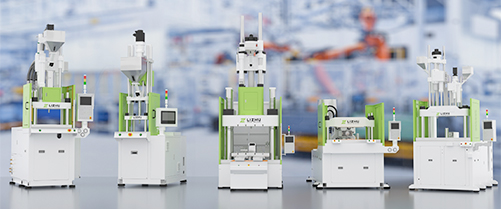


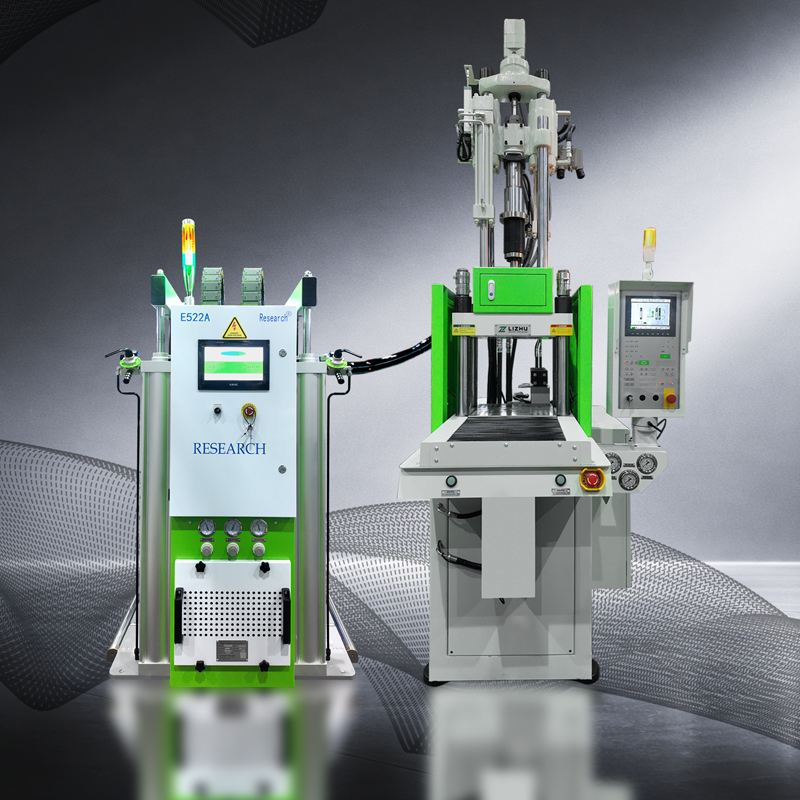
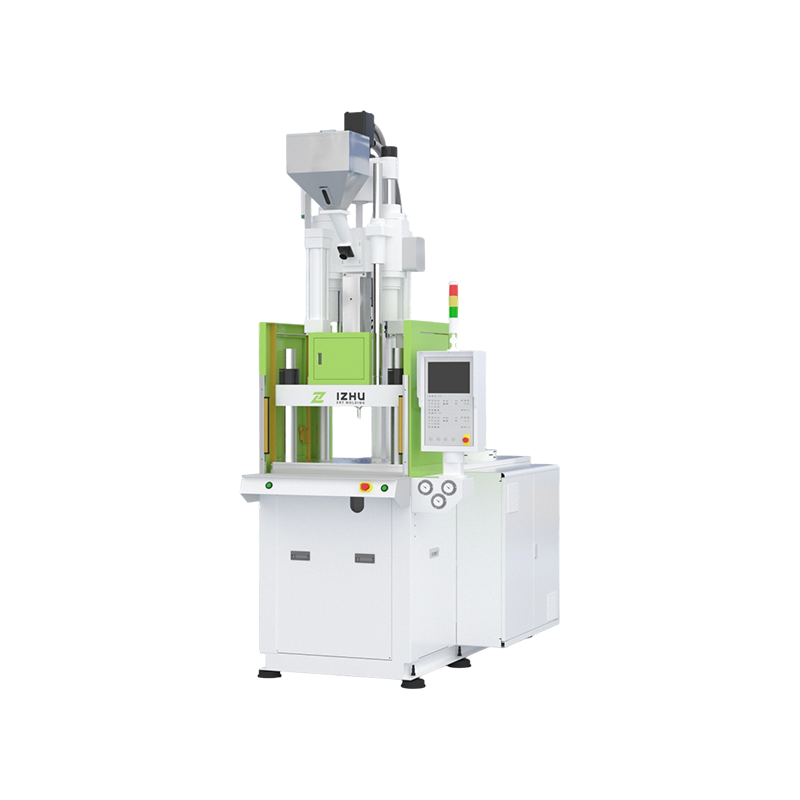
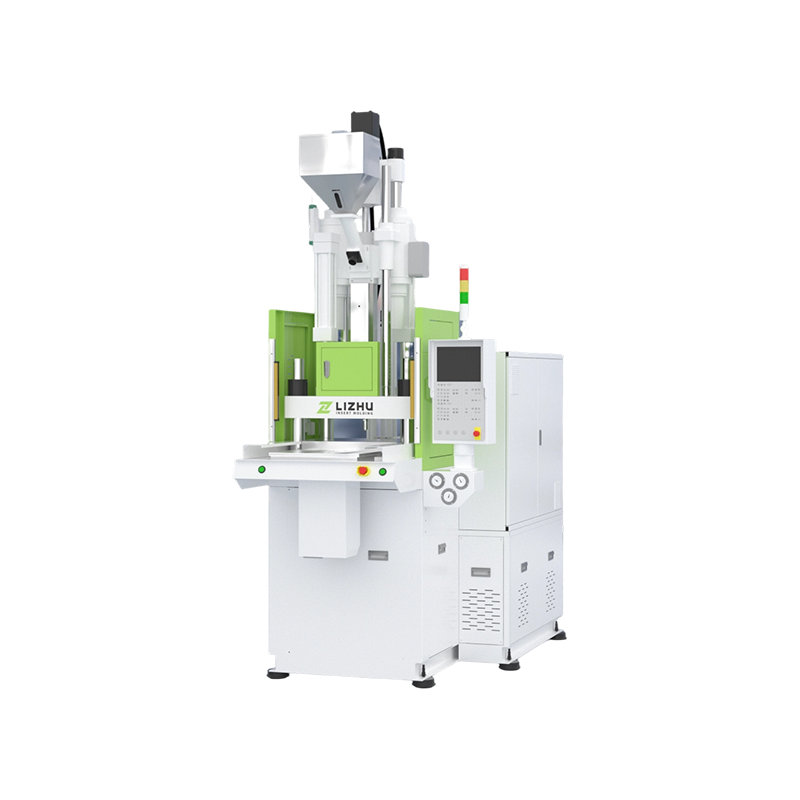
The answer is a resounding yes: for high-tonnage applications, durability, and cost-effective heavy-duty production, the hydraulic plastic moulding machine remains the irreplaceable backbone of the global plastics industry. While electric alternatives have gained ground in small-scale precision niches, hydraulic systems continue to dominate sectors requiring massive clamping forces and robust reliability.
The Evolution and Core Strength of Hydraulic Plastic Moulding Machine Technology
Hydraulic plastic moulding machines provide superior clamping force and longer lifespans compared to any other drive technology available today. By utilizing fluid power to move the platens and inject molten material, these machines can generate thousands of kilonewtons of pressure with relatively simple mechanical configurations.
Historically, the hydraulic plastic moulding machine was criticized for energy consumption. However, the introduction of servo-driven pumps has revolutionized this category. Modern systems now consume up to 50% to 70% less energy than their predecessors, effectively closing the gap with all-electric machines while maintaining the "brute strength" that hydraulics are known for.
Comparative Analysis: Hydraulic vs. Electric vs. Hybrid
When comparing different drive systems, the hydraulic plastic moulding machine offers the best balance of initial investment cost and high-force performance. To better understand where each technology stands, we have summarized the key metrics in the table below.
| Feature | Hydraulic (Servo) | All-Electric | Hybrid |
|---|---|---|---|
| Clamping Force | Excellent (Up to 8000T+) | Limited (Usually < 800T) | High (Up to 3000T) |
| Energy Efficiency | High (Servo-Optimized) | Maximum | Moderate-High |
| Maintenance Cost | Low (Simplified Parts) | High (Expensive Motors) | Moderate |
| Initial Investment | Lowest | Highest | Medium |
Comparison of key performance indicators for different injection moulding technologies.
Why the Automotive and Medical Sectors Rely on Hydraulics
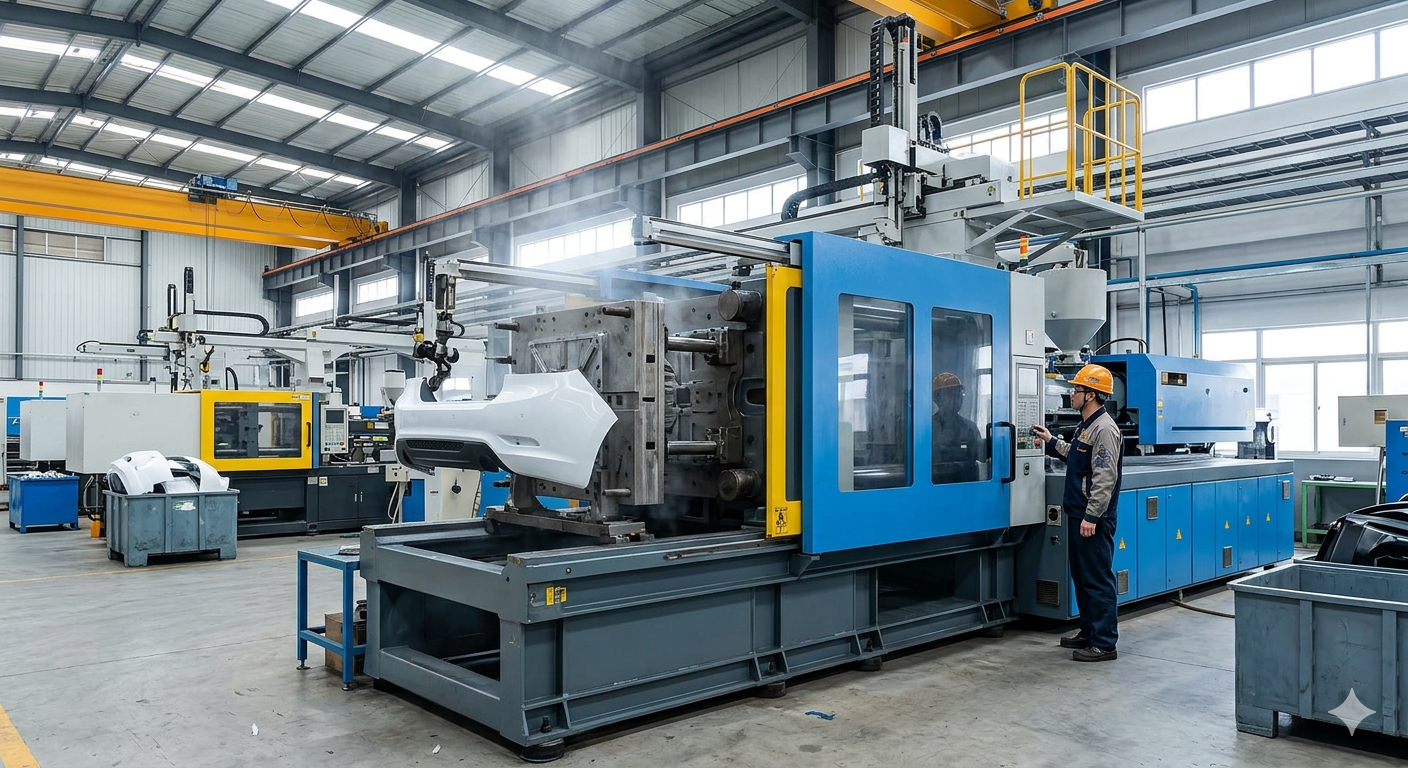
Large-scale industrial parts, such as car bumpers or large medical crates, require the sustained holding pressure that only a hydraulic plastic moulding machine can provide. In the automotive industry, parts often exceed 2 meters in length. Generating the pressure to inject molten plastic into such large cavities requires massive force.
- Variable Pressure Control: Modern hydraulic plastic moulding machines allow for complex pressure profiles, preventing defects like "warping" or "sink marks" in thick-walled parts.
- Durability: Hydraulic cylinders are less prone to catastrophic failure when overloaded compared to electric ball screws.
- Adaptability: They can handle a wider range of materials, including recycled resins with inconsistent viscosity.
Technical Breakthroughs in Servo-Hydraulic Systems
The integration of servo motors into the hydraulic plastic moulding machine has eliminated the "always-on" energy waste associated with traditional fixed-pump machines. In a traditional setup, the motor runs at full speed regardless of the cycle stage. In a servo-hydraulic system, the motor only spins when movement or pressure is required.
Consider a typical 500-ton hydraulic plastic moulding machine producing industrial bins. By switching from a standard pump to a servo-controlled system, a factory can reduce its annual carbon footprint by nearly 25 tons of CO2. This makes the "green" argument for electric machines less compelling when the sheer power of hydraulics is needed.
Cost-Benefit Analysis for Manufacturers
A hydraulic plastic moulding machine typically costs 30% to 40% less upfront than an electric machine of the same tonnage. For a manufacturer looking to scale production or set up a new plant, this capital expenditure (CAPEX) difference is significant.
Over a 10-year period, the maintenance profile of a hydraulic plastic moulding machine is also generally more favorable. While hydraulic oil requires filtration and cooling, the components—valves, seals, and pumps—are standard industrial items that can be sourced easily. In contrast, the high-precision motors and gearboxes in electric machines often require proprietary, expensive replacements from the original manufacturer.
Operational Longevity
The lifespan of a well-maintained hydraulic plastic moulding machine often exceeds 20 years. Many factories are still operating hydraulic units from the 1990s that have been retrofitted with modern controllers. This longevity ensures a high Return on Investment (ROI) that is difficult to match with newer, more complex electronic-heavy systems.
Global Market Trends for Hydraulic Plastic Moulding Machine
Demand for hydraulic systems is surging in emerging markets due to their robustness and ease of repair. In regions where power grids may be unstable, the inherent "buffer" of a hydraulic system is more forgiving than sensitive electronic drives.
According to recent industry data, the hydraulic plastic moulding machine market is projected to grow at a CAGR of 4.5% through 2030. This growth is driven by the expansion of the construction, aerospace, and logistics sectors, all of which require the large-format plastic parts that hydraulics excel at producing.
Frequently Asked Questions (FAQ)
1. Is a hydraulic plastic moulding machine loud?
Modern servo-hydraulic machines operate at noise levels below 70 dB, which is comparable to a standard office environment, making them much quieter than older models.
2. How often does the oil need changing?
With high-quality filtration systems, many hydraulic plastic moulding machines only require oil changes every 3 to 5 years, provided regular oil analysis is conducted.
3. Can I use these machines for precision parts?
Yes. While electrics are famous for precision, modern closed-loop hydraulic controllers allow for repeatability within 0.1%, which is sufficient for 95% of industrial applications.
4. Are they energy-efficient?
When equipped with servo-motors, a hydraulic plastic moulding machine is highly efficient, rivaling all-electric models in many production scenarios.
Summary: Making the Right Investment
Choosing a hydraulic plastic moulding machine is a strategic decision that prioritizes power, versatility, and long-term economic stability. While technology continues to evolve, the fundamental physics of hydraulic power remain the most efficient way to manage heavy loads in the plastic injection process.
For enterprises focusing on high-tonnage output, automotive components, or large consumer goods, the hydraulic plastic moulding machine isn't just a traditional choice—it is the smartest choice for sustainable, high-volume manufacturing in the 21st century.