中文简体
中文简体

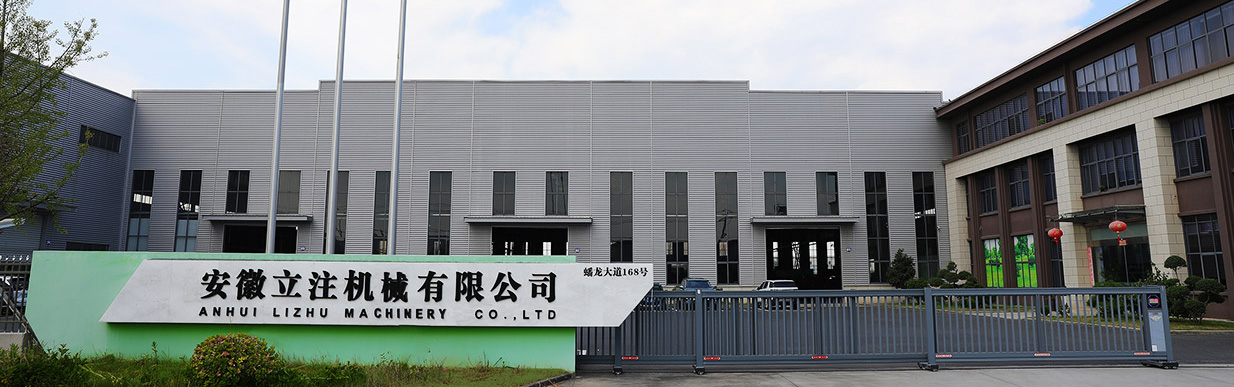
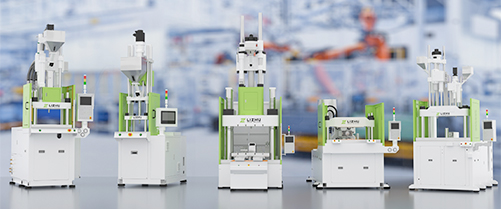


A maintenance technician once told us the most frightening sound on a shop floor is a gate interlock that clicks when it should not. An interlock bypassed with cable ties, a guard left open during dry cycling, a hand reaching for a drooling nozzle—each has caused a serious injury. Injection molding machine safety standards make those scenarios impossible. The three you will meet when buying or auditing a press are ISO 20430, EN 201, and ANSI/PLASTICS B151.1.
All three converge on the same core demands: interlocked guards around the clamping area, verified emergency stop functions, a documented risk assessment, and clear instructions for safe operation and maintenance. As a vertical injection molding machine manufacturer that has built presses up to 2,000 tons since 2011, we apply these requirements in design and test them before every shipment. This guide explains what each standard requires and how to verify compliance before you sign a purchase order.
The Core Standards That Govern Injection Molding Machine Safety
The short version: ISO 20430 is the international benchmark, EN 201 is its legally harmonized European version, and ANSI/PLASTICS B151.1 is the North American reference that OSHA-based enforcement relies on. A machine that genuinely complies with one will satisfy most of the other.
ISO 20430 — The Global Benchmark
ISO 20430, Plastics and rubber machines — Injection molding machines — Safety requirements, is the international standard for injection molding machinery. It covers mechanical, thermal, electrical, hydraulic, and noise hazards. Its control-system requirements reference ISO 13849-1 for Performance Level and IEC 62061 for SIL, so a compliant machine must prove the reliability of its safety functions, not just claim it.
EN 201 — The European Requirement
EN 201:2009 is the harmonized European standard. A machine sold in the EU/EEA must meet it to carry the CE mark under the Machinery Regulation. For the buyer, the CE Declaration of Conformity is the first document to request; without it, the machine has no legal right to be placed on the European market.
ANSI/PLASTICS B151.1 — The North American Reference
ANSI/PLASTICS B151.1-2017 sets safety requirements for injection molding machines in the United States and is referenced by OSHA through 29 CFR 1910.212 for machine guarding. It covers guards, interlocks, base-area protection, electrical safety, and periodic inspection. Openings more than 500 mm above the floor require base guards under the current revision.
| Standard | Region | Scope | Key requirement for buyers |
|---|---|---|---|
| ISO 20430 | International | Horizontal and vertical injection molding machines | Risk assessment documentation and verified safety-related control systems |
| EN 201:2009 | European Union / EEA | Same scope, harmonized under EU Regulation (EU) 2023/1230 | CE marking and Declaration of Conformity |
| ANSI/PLASTICS B151.1-2017 | United States / North America | Injection molding machines with OSHA enforcement | Guarding, interlocks, base guards, and periodic inspection |
Guarding and Interlock Requirements: Where Most Injuries Are Prevented
Most injection molding machine injuries occur at the clamping unit, where the mold closes with forces measured in hundreds of tons. Guards and interlocks are the primary defense, and every major standard requires them. A guard is not an accessory; it is a safety function with an auditable design.
Three types of guarding appear on every compliant machine:
- Fixed guards covering the rear clamp area, hydraulic components, and any opening not needed for operation.
- Movable guards (operator gates) fitted with interlocks that stop hazardous motion when opened.
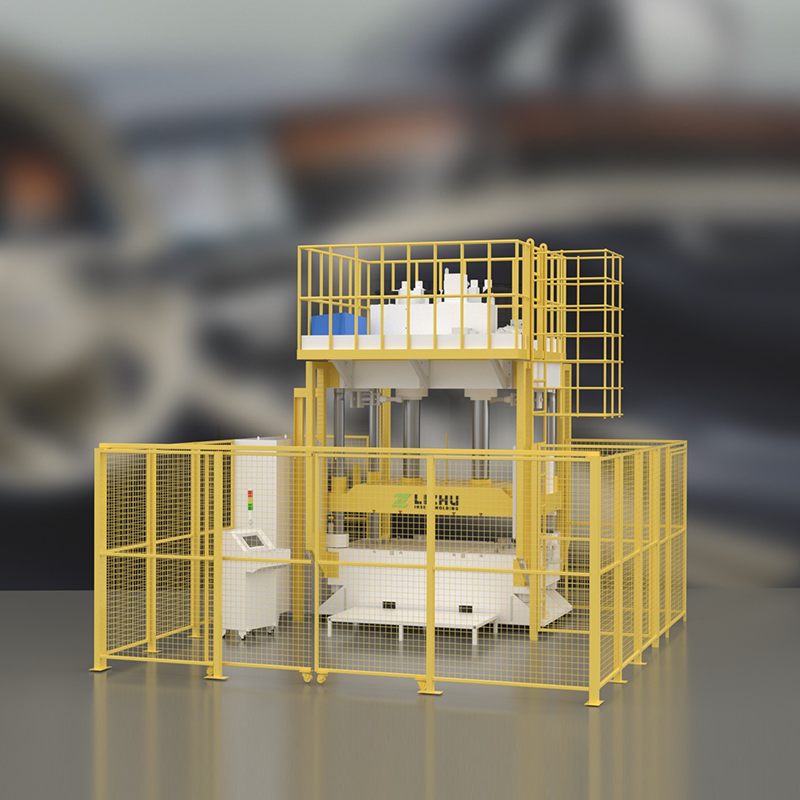
- Base guards covering openings more than 500 mm above the floor, where a foot or tool could enter the clamp area.
Why Interlock Type Matters
Mechanical interlocks use a positive latch that prevents the gate from opening while the clamp moves; electrical interlocks remove power from the clamp circuit; hydraulic interlocks block pilot pressure so the clamp cannot build force even if a valve sticks. Compliant machines use monitored interlocks—typically a safety relay or safety PLC—so a failed interlock is detected rather than silently defeating itself.
Interlocks on Vertical Machines with Sliding Tables
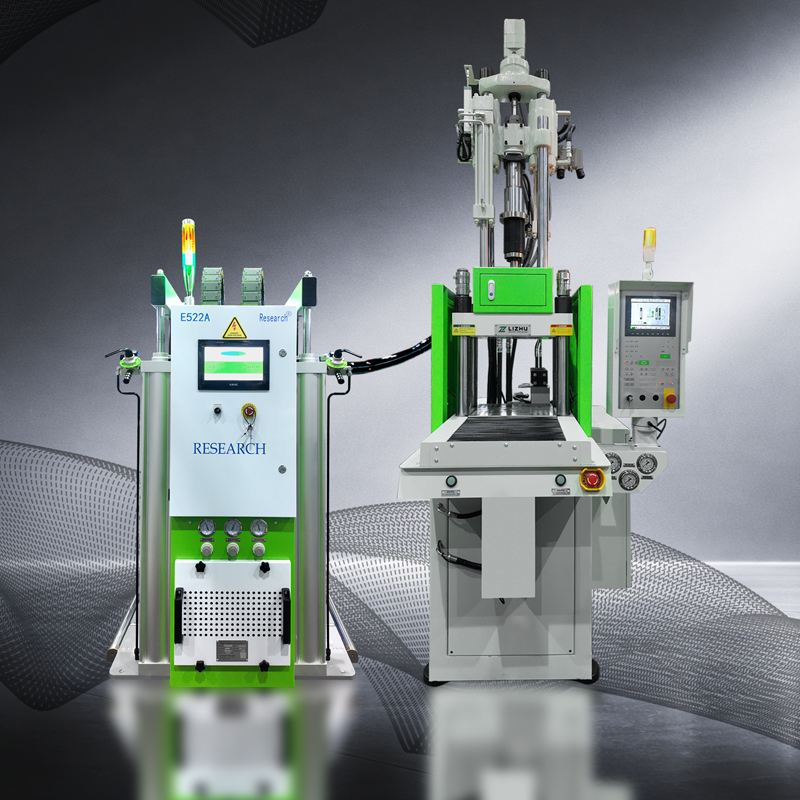
For insert molding, the more practical guarding strategy is removing the operator from the mold zone during the cycle. A sliding table moves the lower mold half out of the clamping area for loading while the guard stays closed for the molding stroke. That is why single sliding vertical injection molding machines are a common choice when operators handle inserts. The interlock still monitors the guard, but direct hand exposure is reduced by layout.
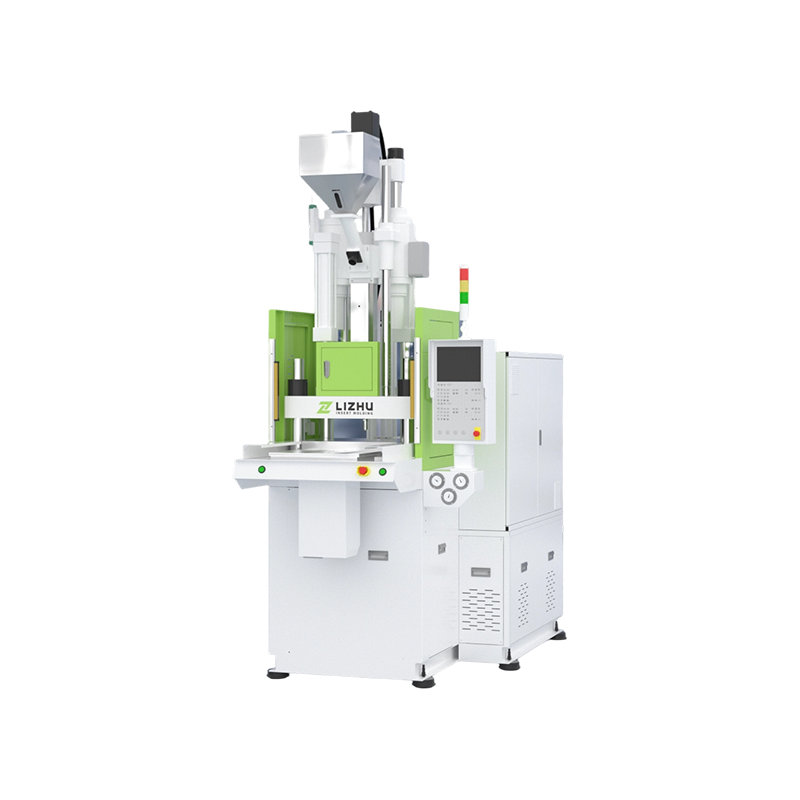 Single Sliding Vertical Injection Molding Machine ManufacturersLIZHU Machinery is China single sliding vertical injection molding machine manufacturers and custom factory, offering wholesale solutions...View Product →
Risk Assessment and Design-Level Safety
A safe injection molding machine results from an explicit risk assessment performed by the manufacturer before the machine is built—not from guards added after a near-miss. ISO 20430 and EN 201 require the risk-reduction process of ISO 12100.
The standard hierarchy of control measures:
- Eliminate or reduce risk by design—for example, positioning the injection unit so the nozzle area is not a walkway.
- Apply guards and protective devices, with safety distances calculated per ISO 13855.
- Provide warning labels, safe work procedures, and operator training.
- Define residual hazards that require PPE and include them in the user's manual.
For the buyer, this means one practical request: show me the risk assessment file. A compliant manufacturer provides a risk summary, the safety-function list with Performance Level ratings, and the residual-risk section of the manual. If those documents do not exist, the machine was designed around cost rather than around hazards.
Operator Safety: PPE, Training, and Daily Work Rules
Standards set the machine's responsibility; operator behavior controls the remaining risk. Even a fully guarded press can injure someone who reaches around a guard or fails to wait for the screw to stop before clearing a jam.
Minimum PPE for injection molding operations:
- Heat-resistant gloves for handling mold-side parts and checking the nozzle area.
- Eye and face protection against splashing melt and flying sprue fragments.
- Safety shoes with metatarsal protection for handling molds and heavy stacks.
- Hearing protection where hydraulic power packs exceed 85 dB(A).
Non-negotiable work rules:
- Never operate with a guard open or an interlock bypassed, even for a setup shot.
- Use brushes or magnets to clear dropped parts; never reach into the tool area.
- Lock out and tag out before any maintenance entry, per OSHA 1910.147 or local rules.
- Keep the press area free of hydraulic oil and purgings.
Training is not optional paperwork. B151.1 and ISO 20430 require that operators be trained on hazards and safe work methods before running the machine.
Maintenance, Inspection, and Compliance: Keeping Safety Claims True
A machine that passed its acceptance test can become a liability after six months of heavy use. Interlock switches wear, wiring terminals loosen, hoses degrade, and safety relays fail. The answer is a scheduled inspection regime: daily functional checks of gates and emergency stops, plus a documented deeper inspection every 6 to 12 months as set by the risk assessment.
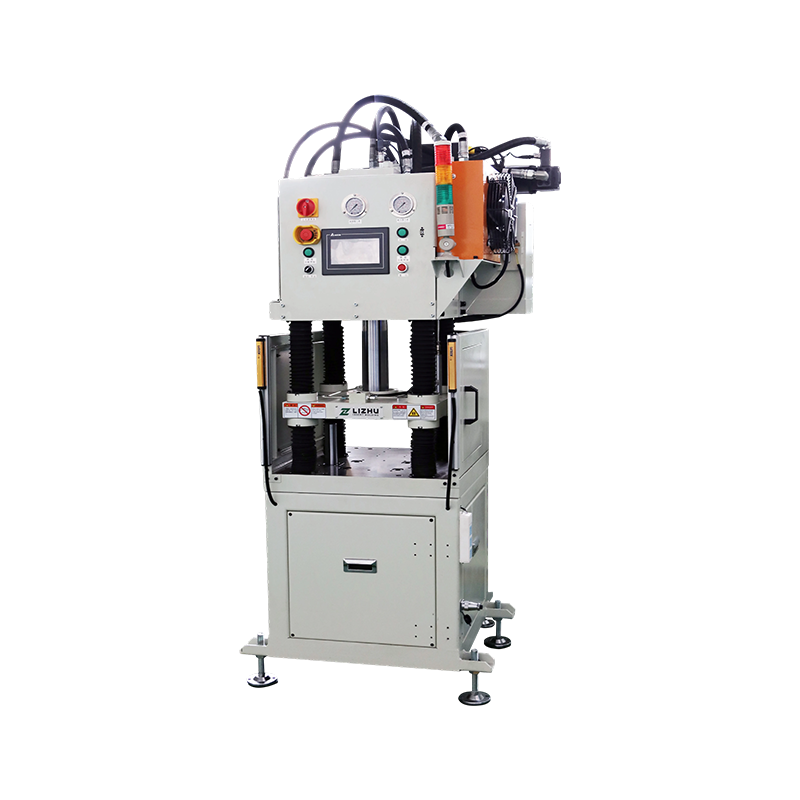
The electrical inspection verifies wiring integrity in the safety circuit, because an interlock wire shorted to ground can bypass the guard. The mechanical part checks gate alignment and hinge wear; the hydraulic part verifies that no pilot line can hold the clamp closed after the valve is de-energized. Machines with fewer hydraulic components present fewer of these failure modes, which is one reason an electric vertical injection molding machine can reduce maintenance-related safety risk.
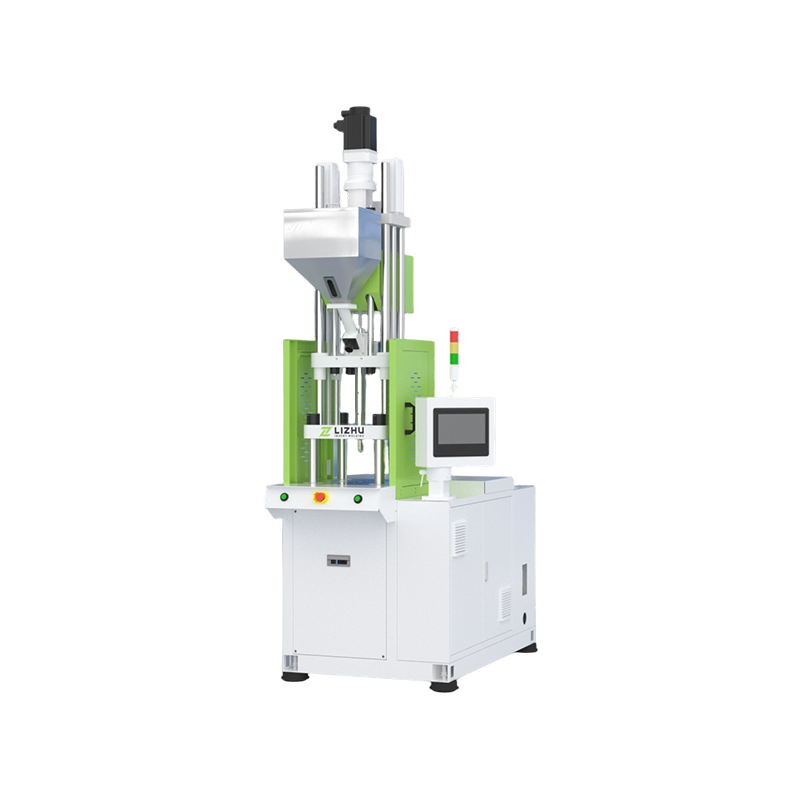 Electric vertical injection molding machine Supplier, CompanyLIZHU Machinery is China wholesale Electric vertical injection molding machine manufacturers supplier and company, offering wholesale sol...View Product →
What to Check Before Buying an Injection Molding Machine
The buying decision is where safety outcomes are decided: a machine without auditable safety documentation will never become safe through good operations. Verify the following before you commit:
- CE marking (for Europe) or ANSI B151.1 documentation (for North America).
- A risk assessment report listing significant hazards and selected safeguards.
- Monitored interlocked guards rated at Performance Level d or higher.
- Emergency stops meeting ISO 13850, wired into the safety circuit.
- A safety distance calculation per ISO 13855 proving the gate stops the clamp before a hand reaches the mold.
- Base guards for openings more than 500 mm above the floor.
Do not rely on a brochure photograph. Ask for a live demonstration: open the gate during a slow cycle and watch the clamp stop, then confirm it cannot restart while the gate is open. For sliding or rotary table machines, verify that the table interlock stops the clamp when the table moves. These checks take ten minutes and reveal more than any data sheet.
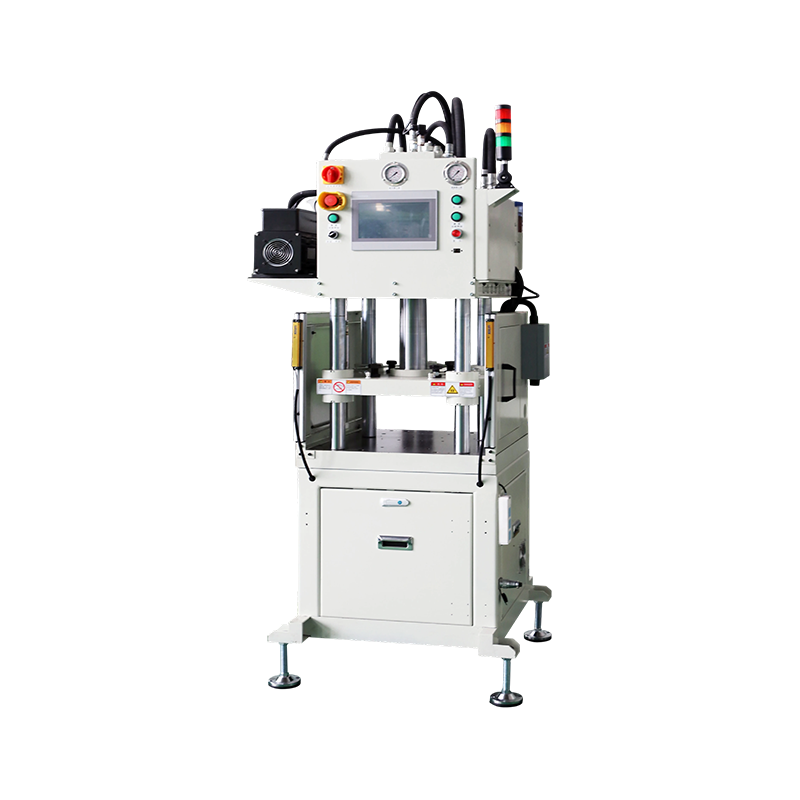
Price and performance still matter. Our guide to choosing a high cost-effective standard vertical injection molding machine covers tonnage, drive type, and automation trade-offs. Added to the safety checklist above, it helps you select a press that is economical and compliant, such as our standard vertical injection molding machine with CE-certified safety documentation.
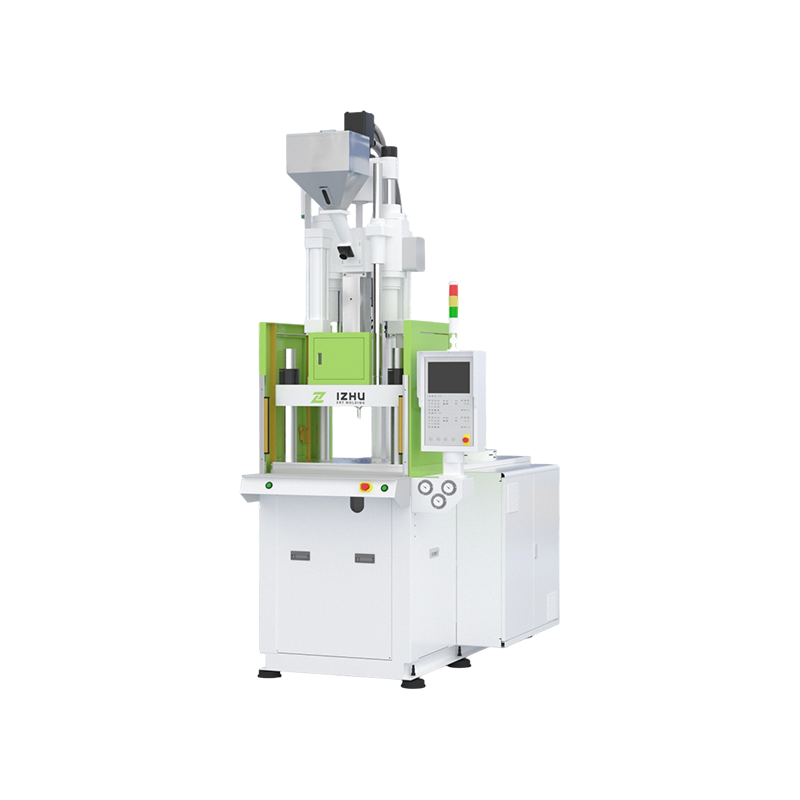 Standard vertical injection molding machine Supplier, CompanyLIZHU Machinery is China wholesale Standard vertical injection molding machine manufacturers supplier and company, offering wholesale sol...View Product →
Frequently Asked Questions About Injection Molding Machine Safety
Are EN 201 and ISO 20430 the same standard?
They are closely aligned. ISO 20430 was developed from EN 201, and the guarding, interlock, and control-system requirements are essentially identical. EN 201:2009 currently provides the presumption of conformity in the EU; the regional and international references will continue to converge.
Do these standards apply to vertical injection molding machines?
Yes. ISO 20430 and EN 201 explicitly cover vertical and horizontal machines, and ANSI/PLASTICS B151.1 treats injection molding machines as a class. Vertical presses present different geometry, but the risk assessment and interlock requirements are equally strict.
How often should safety interlocks be tested?
At minimum, a functional test of the gate interlock and emergency stops should be part of the daily start-up checklist. A deeper inspection of the safety circuit is typically done every 6 to 12 months depending on the risk assessment, and the results should be documented in the machine's safety file.
Can an existing machine be upgraded to meet current standards?
In most cases, yes. The typical path is to replace the gate interlock with a monitored safety switch, add a safety relay or safety PLC, install emergency stops in the required positions, add base guards, and update the manual and risk assessment. The cost depends on the press age and control system; ask a qualified integrator to quote the safety work separately.
Injection molding machine safety is not a CE sticker or a single document. It is a chain from the manufacturer's risk assessment to the operator's daily gate check, and ISO 20430, EN 201, and ANSI B151.1 define each link. If you are selecting a vertical machine, ask for the safety file, watch the interlock test, and make sure the guard design matches how your operators actually work. A press that protects its operator is also the press that runs without unplanned stops—which is the most economical machine after all.