中文简体
中文简体



If you are replacing an aging press or budgeting for new equipment, the first question is usually the same: how many years of reliable production will an injection molding machine deliver? The honest answer, based on OEM design life and decades of field experience, is 10 to 20 years, with many well-maintained presses exceeding 20 and heavy-duty machines still running past 35.
The range is wide because injection molding machine life expectancy means different things to a maintenance engineer, a quality manager, and an accountant. This guide covers real-world ranges by machine type, the factors that decide whether you get 10 or 25 years, and the maintenance decisions that add years to any press.
What "Life Expectancy" Really Means
Life expectancy is usually quoted as one number, but it refers to three separate lifespans that end at different times.
| Lifespan type | Typical duration | What ends it |
|---|---|---|
| Mechanical life | 15–30+ years | Structural fatigue, worn tie bars, components beyond repair |
| Precision life | 8–12 years | Loss of shot-weight and clamp accuracy for tight-tolerance parts |
| Economic life | 7–15 years | Repair cost exceeds residual value; modern machines are cheaper to run |
Mechanical life is the longest and sets the maximum age a machine can reach. Precision life matters when you mold tight-tolerance parts, because a machine can still run but no longer hold shot weight or clamp force. Economic life drives replacement decisions.
A machine is retired for economic reasons, not mechanical failure
Most machines leave service because restoring them costs more than replacing them — not because the frame gave out.
Real-World Lifespan Ranges by Machine Type
Field data from molders give more practical figures than nameplate life. The table summarizes what real plants experience.
| Machine category | OEM design life | Observed in the field | Primary limiting component |
|---|---|---|---|
| Small standard machines (25–150 tons) | 8–12 years optimal | 15–20+ years with rebuild programs | Tie-bar stretch, screw and barrel |
| Large tonnage (300+ tons) | About 15 years | 35+ years in continuous production | Hydraulics, platen parallelism |
| Electric machines | 10–15 years | 12–18 years in medical and 3C work | Ball screws, servo drives |
| Vertical insert molding machines | 10–20 years | 10–20+ years with slide-table care | Slide-table ways, seals |
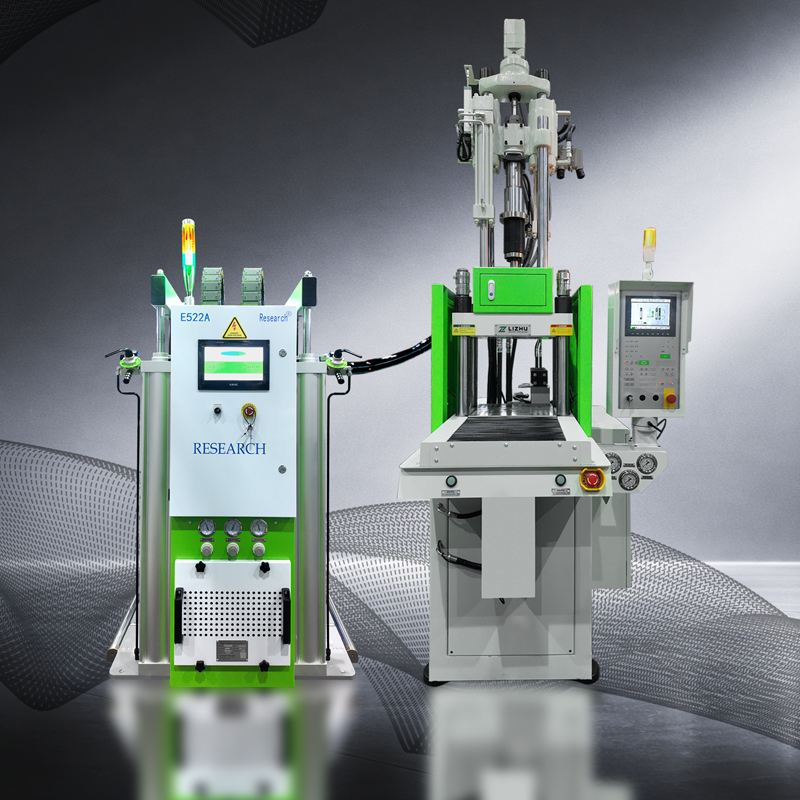
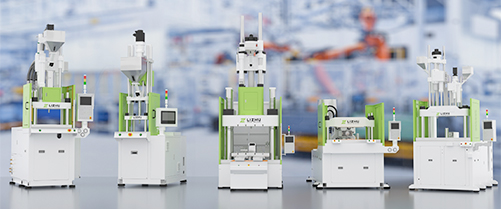
Vertical machines — standard, sliding-table, and rotary-table models used for insert molding — follow the same curve. A machine sized correctly for the mold and maintained properly holds dimensional accuracy for a decade or more; LIZHU standard vertical machines commonly run past that point in connector and automotive plants.
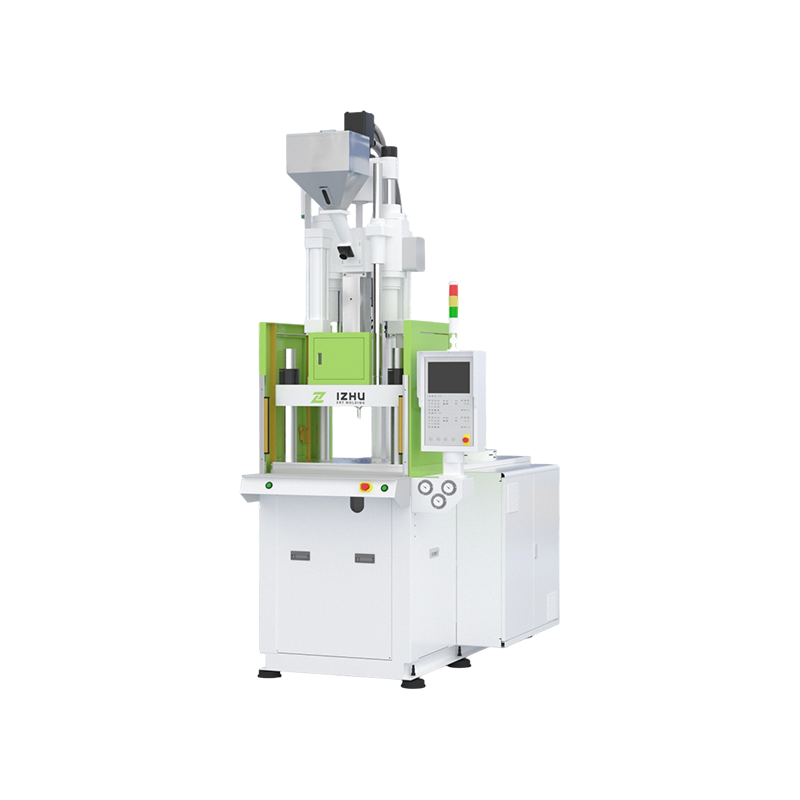 LIZHU Standard Vertical Injection Molding Machine for Insert MoldingThis vertical-clamping, vertical-injection machine is designed for insert molding and secondary injection. Its compact layout saves floor space and supports manual or robotic insert placement, making it a practical choice for high-precision parts production.View Product →
The 8–12 year figure for small standard machines is not a hard limit; it is the window in which a busy automotive parts plant should expect precision to decline unless the screw, barrel, and clamping unit are rebuilt.
Seven Factors That Decide Whether You Get 10 or 25 Years
Maintenance is the biggest factor, but not the only one. These seven factors, in rough order of impact, determine real-world life expectancy.
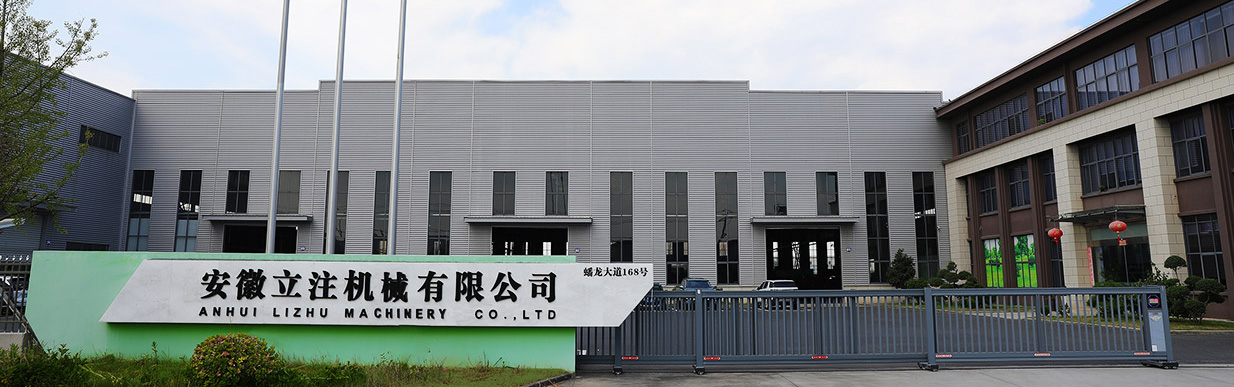
- Build quality and machine sizing. Beefier tie bars and rigid platens last longer; under-sizing accelerates structural wear, while oversizing by one tonnage class adds years. A visit to the manufacturer's factory floor shows its machining discipline.
- Duty cycle. A 24/7 line accumulates roughly 8,000 operating hours per year; a job shop may run 2,000–3,000. Lower utilization extends calendar life proportionally.
- Material abrasiveness. Glass-filled nylon wears screws and barrels faster — a pair lasting 10 years in unfilled polypropylene may last 5–6 years in 30% glass-filled compounds.
- Clamping load utilization. Running above 80% of rated clamp force every day stretches the tie bars and slowly degrades clamp alignment.
- Operating environment. High temperature, humidity, and airborne dust accelerate hydraulic oil breakdown and corrosion.
- Maintenance discipline. Oil analysis, clean filters, lubrication, and calibration separate a 10-year machine from a 25-year machine.
- Operator and setup practices. Hard mold mounting, hammering on the platen, and long idle periods with the mold shut all do measurable damage.
Machines fail from accumulated abuse, not from reaching a magic age; any one of these factors can halve the expected life.
Wear Points and Typical Replacement Intervals
Knowing which components fail first helps you budget for rebuilds. These intervals reflect well-run machines in normal industrial service.
| Component | Typical interval | Notes |
|---|---|---|
| Screw and barrel | 5–10 years | Shorten with abrasive resins; rebuild by rebarreling or recoating |
| Hydraulic oil | 2,000–6,000 operating hours | Follow oil analysis, not a calendar date |
| Seals and hoses | 5–8 years | Degrade faster at high oil temperatures |
| Tie bars and nuts | 10–20+ years | Replace only if elongation exceeds OEM tolerance |
| Ball screws (electric machines) | 10–15 years | Replaced as an assembly; significant cost |
| Control system | 7–15 years | Obsolescence forces upgrades before hardware fails |
Track these intervals in your records. When a screw-and-barrel replacement plus a control upgrade approaches half the price of a new machine, the economic-life calculation changes.
Hydraulic vs. Electric: Different Aging Patterns
Hydraulic and electric machines age differently, and this difference drives both life expectancy and rebuild cost.
Hydraulic machines degrade gradually: oil oxidation, valve wear, and seal leaks reduce efficiency over time, but a hydraulics rebuild restores most of the original performance for 15–25% of the cost of a new machine. That is why 20- and 30-year-old hydraulic presses still work profitably on less demanding jobs.
Electric machines have fewer wearing parts and no hydraulic oil, making them the standard choice for medical and 3C precision molding. But ball screws and servo drives are expensive to replace, so they hold precision longer then decline quickly. LIZHU electric vertical machines fit this profile and are favored by medical and 3C plants.
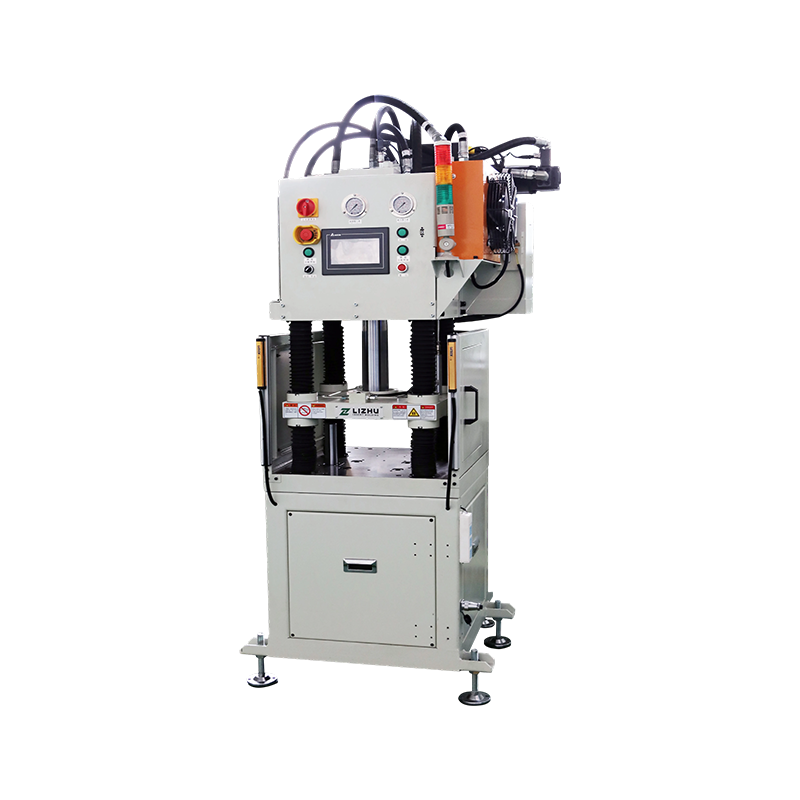
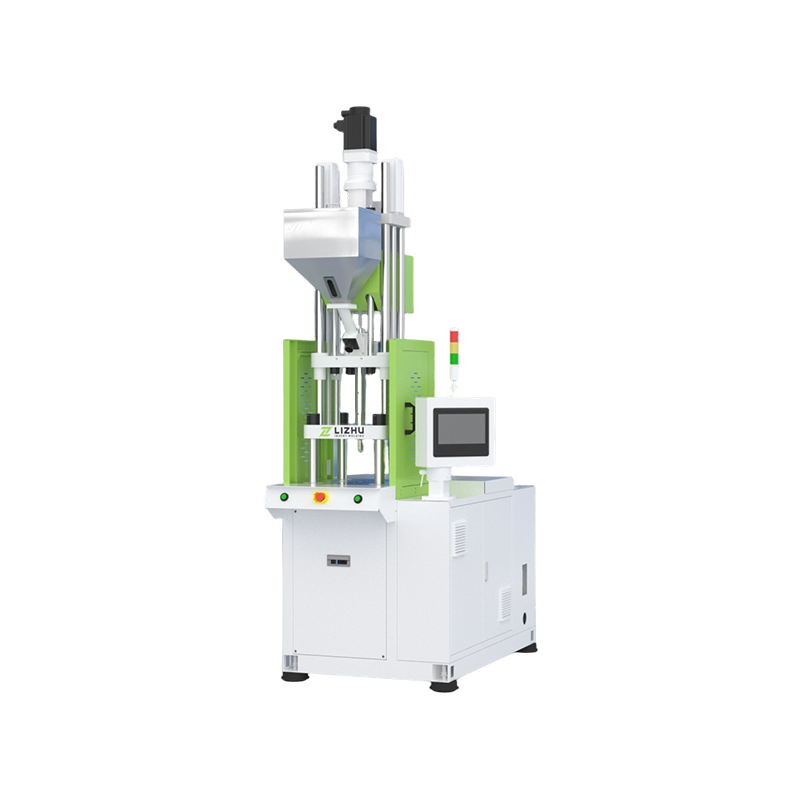 Electric Vertical Injection Molding Machine for Precision Thin-Wall PartsFeaturing servo-driven injection and clamping, this electric machine offers low energy consumption, ultra-quiet operation, and high precision. It suits applications like LCP connectors and thin-wall molding, with clamping force options from 40 to 160 tons and shot weights from 0.1 to 150 grams.View Product →
If your parts need repeatable clamping and stable shot weight, the longer precision life of an electric machine justifies its higher first cost.
Signs Your Machine Is Approaching the End of Its Economic Life
Do not retire a machine by age alone — watch for operating signs that it is no longer economically viable.
- Shot-weight variation drifts out of process limits. The screw, barrel, and check ring need evaluation.
- Flash appears on parts that used to mold clean. Falling clamp force or platen parallelism problems are the usual causes.
- Energy consumption per part rises. Increasing hydraulic pumping and heating costs raise your cost per part directly.
- Repairs become monthly events. Unscheduled downtime exceeding scheduled maintenance means the machine costs more than it contributes.
Apply the 50–60% replacement rule
If a full rebuild — drives or hydraulics, screw and barrel, controls — exceeds 50–60% of a comparable new machine's price, replacement is the better financial decision. Confirm your process window and mold requirements have not changed.
How Maintenance Actually Extends Life
Preventive maintenance is the most controllable factor in life expectancy, and its payoff is measured in years of added service.
- Run hydraulic oil analysis every 500–1,000 hours. It catches water, particles, and oxidation before they damage pumps and valves.
- Lubricate tie bars and slide-table ways daily. Poor lubrication is the leading cause of premature vertical-machine wear.
- Inspect the screw and barrel annually. Measure diameters and flight clearance against the manufacturer's maximum wear figures.
- Check clamp alignment every year. Restore tie-bar elongation and platen parallelism by adjusting nuts or re-leveling the machine.
- Keep the control cabinet clean and dry. Heat and humidity kill electronics faster than any other factor.
LIZHU's mechanical maintenance guide details the checks that keep the frame, clamping unit, and injection unit in spec — the same checks that separate a 10-year machine from a 25-year machine.
Choosing a Configuration That Fits Your Duty Cycle
Matching the machine configuration to the application prevents abuse, and preventing abuse directly extends life expectancy.
Insert molding is the most common vertical-machine application, and the table type changes how the machine is loaded. A single-sliding table lets the operator load inserts outside the clamp area, shortening cycle time and reducing mold-damage risk — both of which relieve chronic over-stress on the machine.
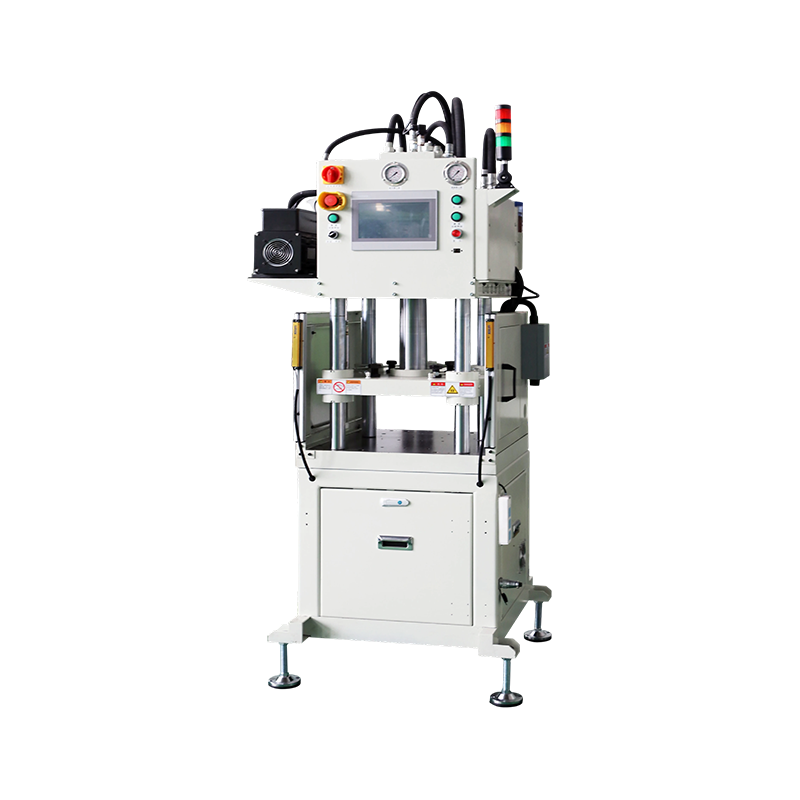
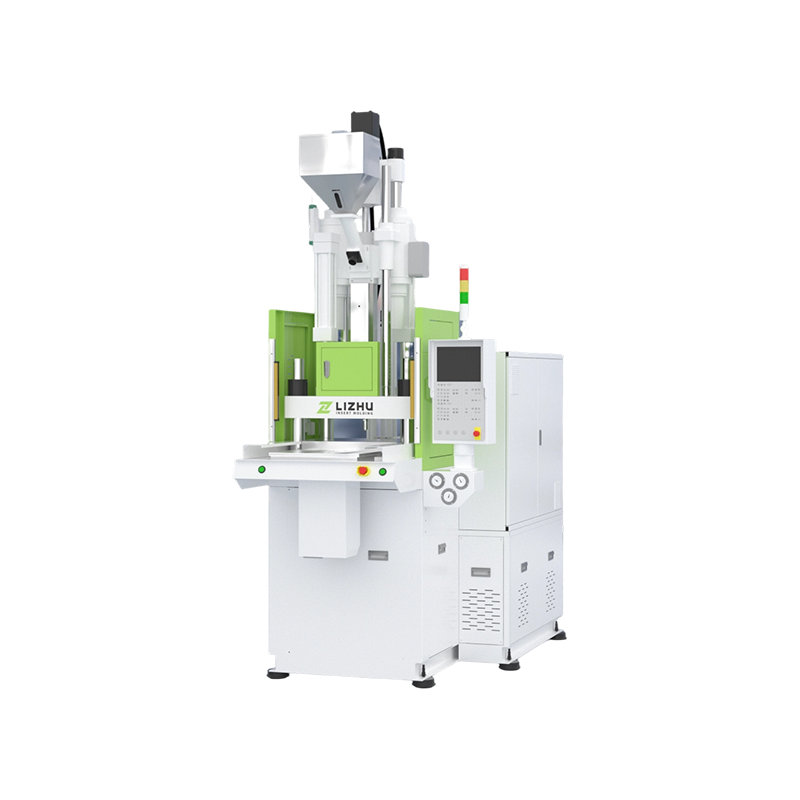 Single Sliding Table Vertical Injection Molding MachineThis single-slide vertical machine allows the lower mold to slide out for loading and part removal outside the clamp area. Its compact, simplified structure reduces maintenance and is ideal for insert molding in space-constrained production setups.View Product →
Rotary-table and double-sliding configurations suit higher-volume insert work by taking loading time out of the cycle. The principle is the same: a machine that is not forced to overperform is a machine that lasts.
Frequently Asked Questions
Can an injection molding machine last more than 20 years?
Yes. Large-tonnage machines are documented running 30–35 years with periodic rebuilds. Smaller standard machines can pass 20 years, but the screw, barrel, hydraulic seals, and sometimes the controls will need replacement along the way.
How many operating hours should I expect from a machine?
A practical figure is 60,000–120,000 operating hours before a major rebuild. Divide that by your planned annual hours: a 24/7 line accumulates roughly 8,000 per year, a single-shift shop about 2,000.
Is a used machine with low hours always a better buy?
No. Low hours can hide long idle storage, which causes seal shrinkage, hydraulic rust, and seized components. Test clamp force, check tie-bar elongation, measure screw and barrel wear, and run a real cycle before purchasing.
When should I replace a vertical injection molding machine instead of repairing it?
Apply the 50–60% rule: if the rebuild estimate exceeds 50–60% of a comparable new machine's price, replace it. Also replace a machine that cannot meet current tolerances even after a rebuild.
Plan your capital budget around a 15-year primary service life, then let measured condition take over once the machine passes that point. Keep maintenance records, run oil analysis, respect rated clamp capacity, and rebuild components before they fail. Machines rarely die of old age; they die of deferred maintenance and mismatched applications. Treat life expectancy as a planning number, not a guarantee, and every press will deliver its full economic life.