中文简体
中文简体



An injection molding machine turns plastic pellets, silicone or another melt-processable compound into a finished part. It melts the material, injects it into a closed mold under pressure, holds it while the part cools, then opens the mold and ejects the part. Tonnage, screw diameter, clamping layout and controller type are all details that serve those four actions.
The practical answer for anyone sizing or buying one is shorter. Match clamp force to the projected area of the part, match shot capacity to part weight plus runner, and match the machine layout, vertical or horizontal, to the way the part must be loaded, inspected and removed. Get those three right and most remaining decisions fall into place; get one wrong and no controller feature will compensate.
Vertical or Horizontal: Decide This First
Horizontal machines dominate high-volume automatic molding of small, simple parts, while vertical machines dominate insert molding, multi-station work and any job where access to the mold area sets the cycle time.
| Aspect | Horizontal | Vertical |
|---|---|---|
| Floor space per unit | Longer footprint, often 2 to 3 m | Compact, often under 2 m |
| Mold movement | Opens horizontally, parts drop by gravity | Opens vertically, part rests on the lower half |
| Insert loading | Needs a robot or an awkward reach | Operator loads from the front, straight down |
| Typical parts | Thin-wall packaging, closures, simple housings | Connectors, cable assemblies, trim, LSR seals |
| Common tonnage band | 50 to 1,000 tons and above | 15 to 250 tons, larger on request |
Vertical orientation is not a compromise for small parts. It is a different answer to the same question: how do you get material into a mold, and finished parts out of it, with the least handling?
The Molding Cycle in Four Moves
Every injection molding cycle is a clamp, inject, cool and eject sequence, and almost every quality problem traces back to one of those four stages.
- Clamp and lock. The mold closes and the clamp holds it against cavity pressure. Too little force shows up as flash; too much wears the mold and the tie bars.
- Inject. The screw moves forward, filling the cavity from the gate outward. Shot size, injection speed and the switch-over point decide whether the part fills or short-shots.
- Hold and cool. Pressure is maintained while the gate freezes and the part shrinks. Hold and cooling time usually account for most of the cycle.
- Open and eject. The mold opens and ejector pins or a stripper plate push the part out. Ejection balance decides whether thin ribs and bosses survive thousands of cycles.
Because the sequence repeats for millions of shots, repeatability matters more than any peak figure on a datasheet.
Vertical Configurations You Will Meet on a Quote Sheet
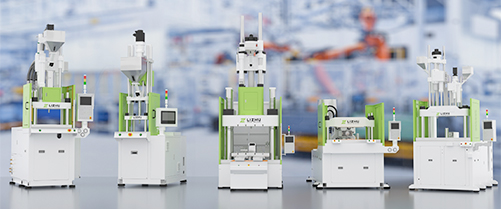
Vertical injection molding machines are sold as a family of layouts rather than a single model, and the layout decides what your operators can physically do during a shift.
- Standard vertical: a single lower platen, the simplest and often the most cost-effective choice for small inserts.
- Single sliding table: the lower mold half shuttles left and right, so one station molds while the other is loaded.
- Double sliding table: two loading positions, useful when several small inserts must be placed per shot.
- Rotary table: two to four lower stations index under one clamp, so loading and cooling overlap.
- Electric vertical: servo-driven, repeatable and preferred where cleanliness and thin walls matter.
- Multi-color and vertical-horizontal: two injection units for two materials or two colors in one cycle.
- Customized large low-base: low working height for heavy or bulky parts such as automotive trim.
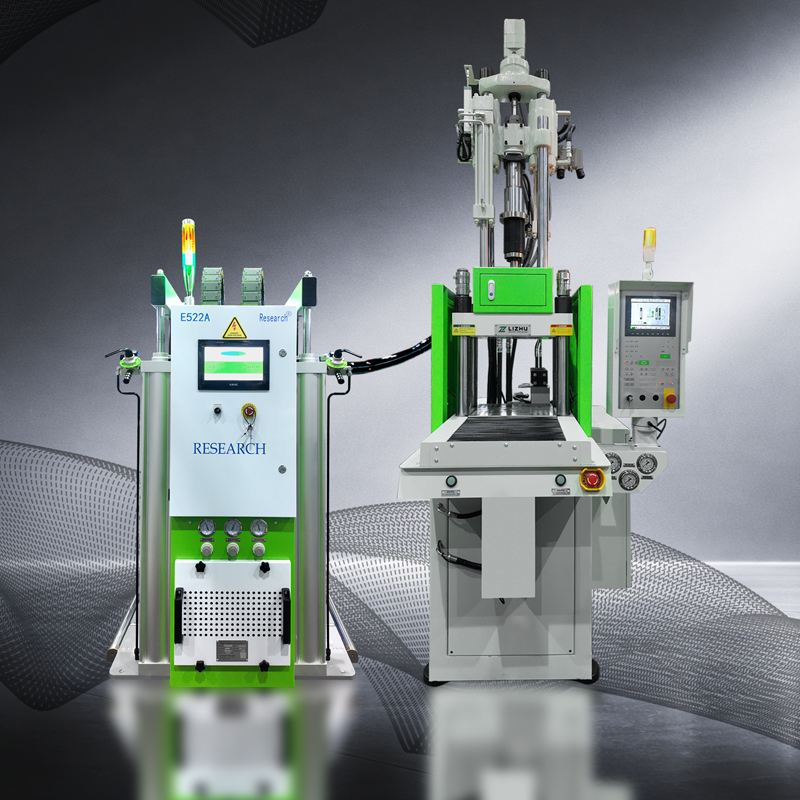
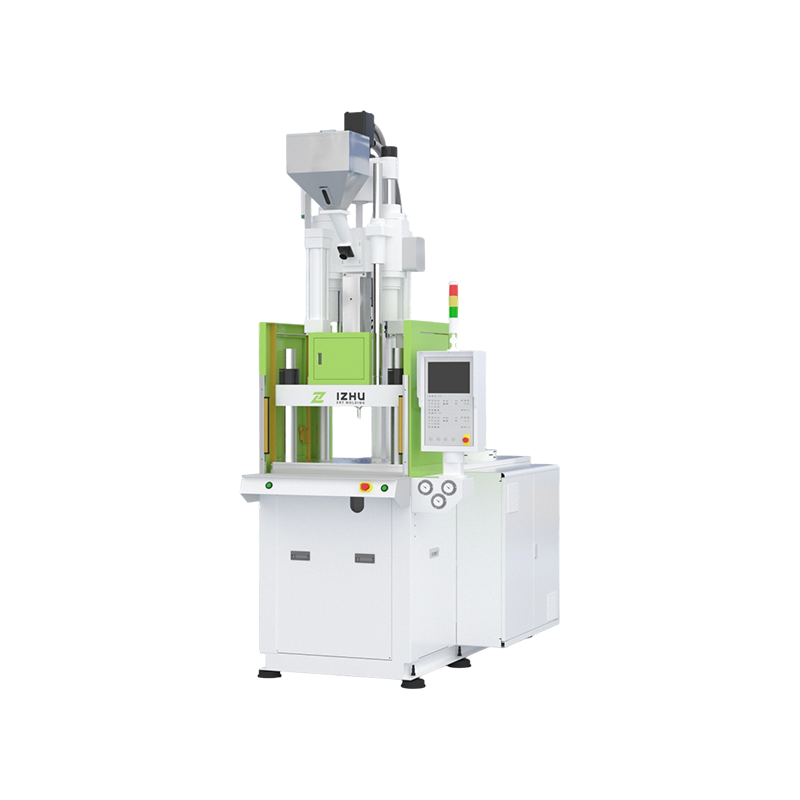 Standard Vertical Injection Molding Machine for Insert PlacementVertical mold closing and injection layout saves space and supports manual or robotic insert placement for complex parts needing high-precision alignment.View Product →
If your part carries an insert, start the conversation by describing how that insert reaches the mold, by hand, by tray or by feeder. That answer narrows the configuration faster than any tonnage calculation.
Three Numbers That Decide Whether a Machine Fits
Clamp force, shot capacity and tie-bar clearance eliminate more candidate machines than any other specification, so check them before discussing anything else.
| Specification | What it controls | What to check |
|---|---|---|
| Clamp force | Holding the mold shut against cavity pressure | Projected part area times a cavity pressure factor, plus margin |
| Shot capacity | How much melt the barrel can deliver per shot | Part weight plus runner, with a cushion allowance |
| Tie-bar clearance and mold height | Whether the mold physically fits | Mold width, height and thickness against the platens |
| Screw diameter | Plasticizing rate against injection pressure | Cycle target and material viscosity |
| Dry cycle time | Baseline for estimating real cycle time | Add injection, hold and cooling time for the part |
A five percent difference in rated shot size between two suppliers usually reflects a different screw geometry rather than a real capacity gap, so compare screw diameter, length-to-diameter ratio and injection pressure together.
Servo and Electric Drives: Where the Money Comes Back
Servo-hydraulic and all-electric drives earn their cost through repeatability and energy use, not through a lower purchase price.
On a fixed-displacement hydraulic machine the pump keeps delivering flow during the long cooling portion of the cycle, and that idle energy is paid for on every shot for years. Servo drives match pump output to the demand of each phase, which cuts energy per shot and holds injection speed more consistently. The same logic applies to servo drive upgrades on vertical platforms, where the benefit shows up in thin-wall filling and in repeatability across a long shift.
Matching the Machine to the Part, Not the Brochure
Industry language is a useful filter: medical, 3C and automotive buyers ask for different things from what looks like the same machine class.
Medical and 3C Components
Small, thin-walled parts with tight dimensional tolerance and strict cleanliness requirements push buyers toward electric vertical machines. Closed-loop injection control, stable melt temperature and low contamination risk matter more than raw tonnage, and such machines are normally specified with a small screw, a cleanroom-friendly finish and a documented repeatability figure.
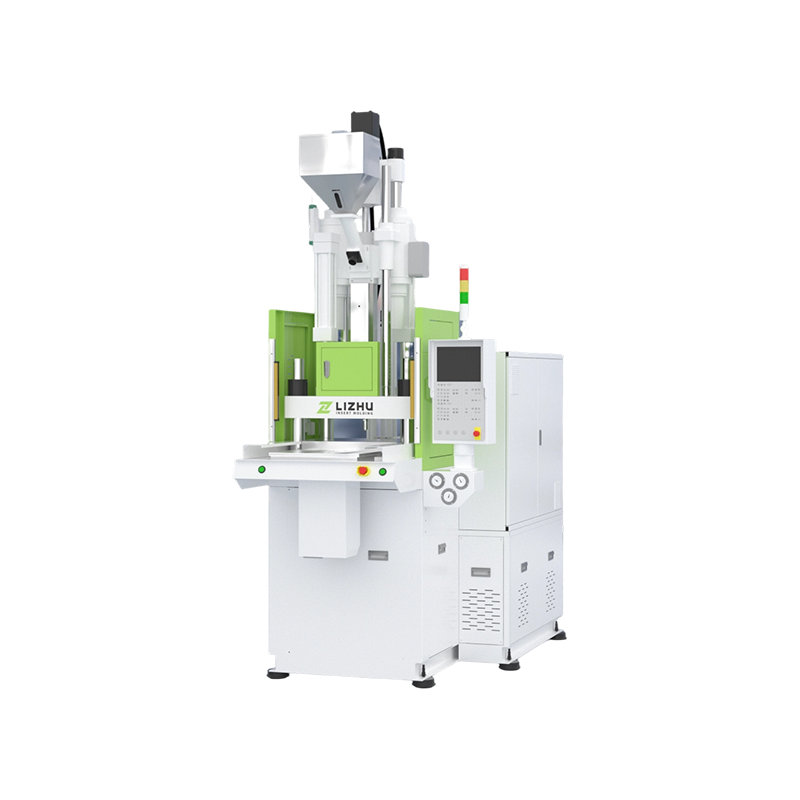
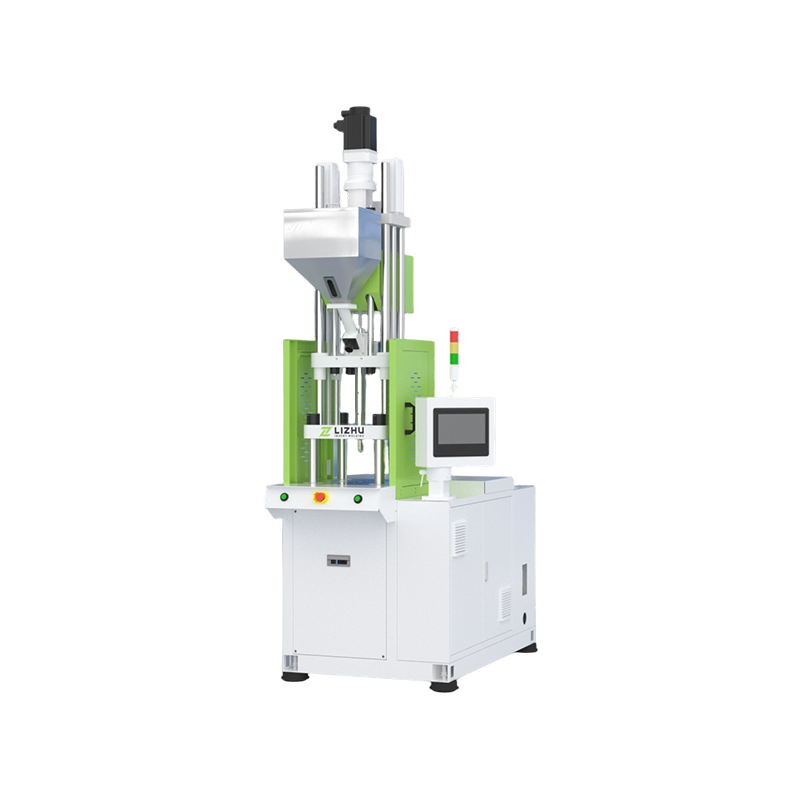 Electric Vertical Injection Molding Machine for Precision Insert MoldingElectric drive and vertical mold movement target high-precision insert injection and precision parts, especially small components needing tight tolerance and cleanliness.View Product →
Automotive Interior and Exterior Parts
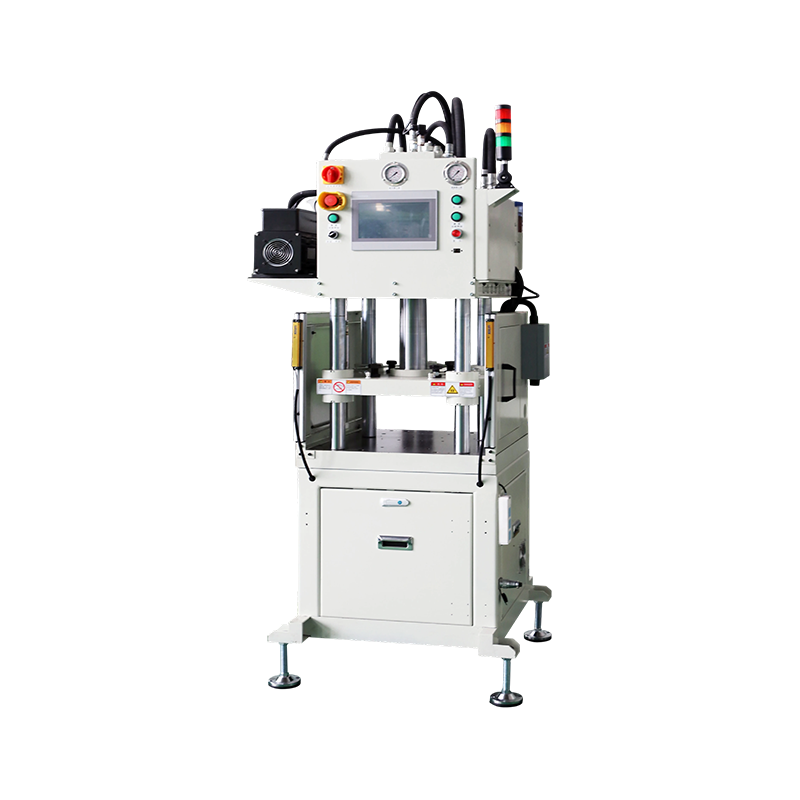
Large trim pieces, brackets and interior panels favor a low working height, generous platen size and a press that can be loaded without cranes. A vertical hydraulic press or an automotive exterior molding machine often does work that a standard injection unit cannot, particularly on compression-style and low-pressure forming routes.
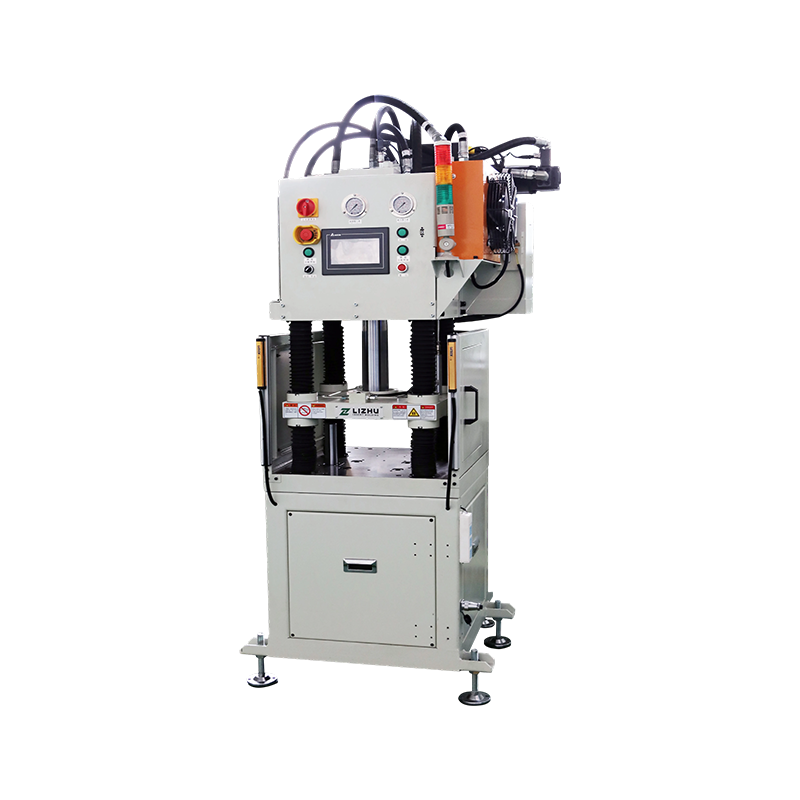
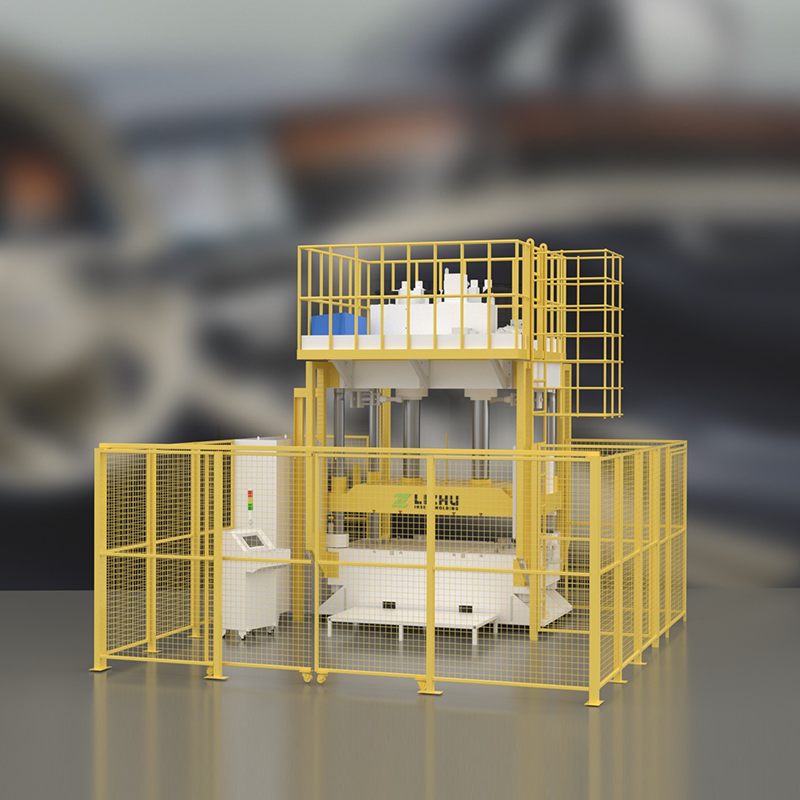 Automotive Exterior Molding Machine for Stamping and FormingVertical hydraulic press uses stamping force and precise molds to punch, trim, bend, or shape automotive exterior parts in batch production.View Product →
Insert-Heavy and Multi-Material Parts
Cable assemblies over stamped metal, gaskets molded onto a plastic frame and two-color buttons share one trait: something must be placed in the mold before plastic arrives. Sliding-table and rotary-table layouts let loading happen while another station cools, which is often the difference between a 30-second cycle and a 15-second one.
What the Machine Really Costs Over Five Years
Purchase price is the smallest line in the five-year cost of an injection molding machine.
Energy and material
Energy per shot, start-up scrap and purging compound scale with production hours, and they are the first costs a servo or all-electric machine reduces.
Molds and downtime
Flash caused by poor clamping wears molds early. An hour of unplanned downtime on a mid-size machine usually costs more than a year of spare-part orders.
People and space
Vertical layouts cut handling steps and compact footprints reduce rent. Training and changeover time decide how quickly a new mold starts paying for itself.
Ask for energy consumption per shot, recommended maintenance intervals and typical changeover time in writing, then compare those three numbers instead of the quote total.
Maintenance Points That Protect Uptime
Most unplanned stoppages trace back to five routine items, none of them expensive.
- Hydraulic oil temperature, level and filter condition, checked weekly rather than annually.
- Screw and barrel wear, which first shows as falling shot weight and an unstable cushion position.
- Tie-bar lubrication and bush clearance, which affect clamping repeatability and flash.
- Heater bands and thermocouples, where one failed zone distorts the whole temperature profile.
- Clamping force re-checked after every mold change, with a proper force gauge rather than the machine readout.
A short checklist posted at the machine prevents more failures than a rebuild schedule.
FAQ
How much clamp force do I need?
Multiply the projected area of the part and runner by a cavity pressure factor for your material, then add roughly 20 percent margin. Thin walls, long flow paths and high-viscosity materials push that factor up.
Can a vertical machine run unattended?
Yes, once insert feeding, part removal and quality checks are automated. The layout helps in some ways, because the mold faces the operator, and complicates it in others, because the part rests on the lower half instead of dropping away.
What is the difference between a sliding and a rotary machine?
A sliding machine moves one lower mold half horizontally between two positions; a rotary machine indexes two to four lower stations around a vertical axis. Rotary tables suit higher station counts, sliding tables suit larger molds.
Do silicone or LSR parts need a special machine?
They need a machine prepared for them: a dedicated screw and barrel, precise low-temperature control, and often a cold-deck or valve-gate system to stop premature curing.
How often should clamping force be verified?
After every mold change, and at fixed intervals in between. A slow drift in force is one of the most common hidden causes of flash and mold wear.
Choosing a Builder, Not Just a Machine
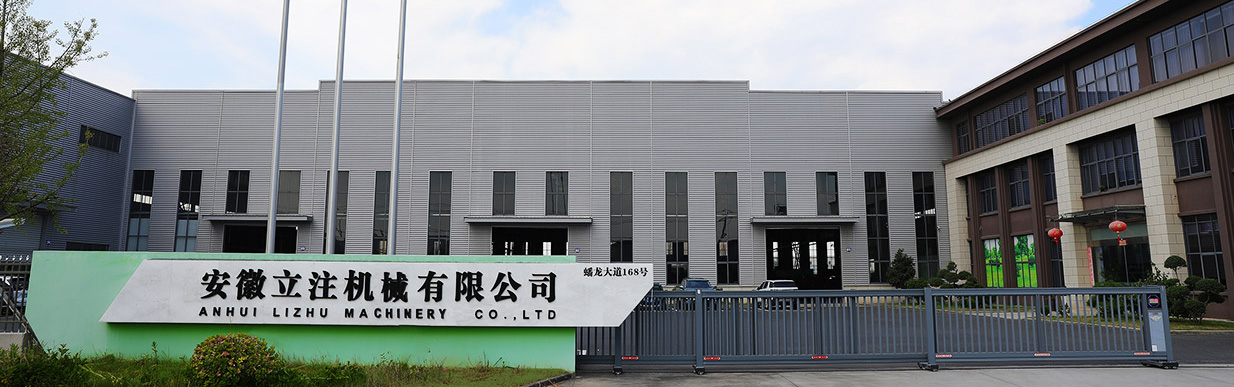
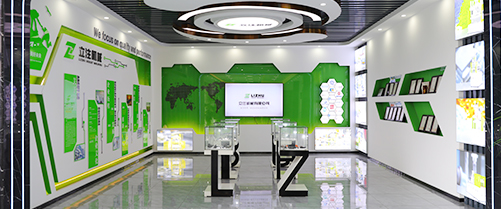
Specification sheets look similar across suppliers, so the differentiator is usually how much of the process a builder is willing to explain. Ask how the machine is tested before shipment, which spare parts are stocked, how operators are trained on changeover, and whether custom layouts such as multi-color or low-base machines are built in-house. LIZHU Machinery, for example, publishes its vertical machine range and company profile and documents its vertical injection, hydraulic press and silicone equipment alongside factory and certificate information.
Start with the part, the mold and the operator's hands. The machine follows from that.