中文简体
中文简体

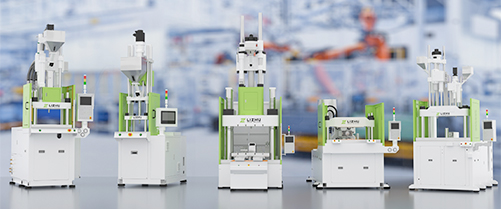


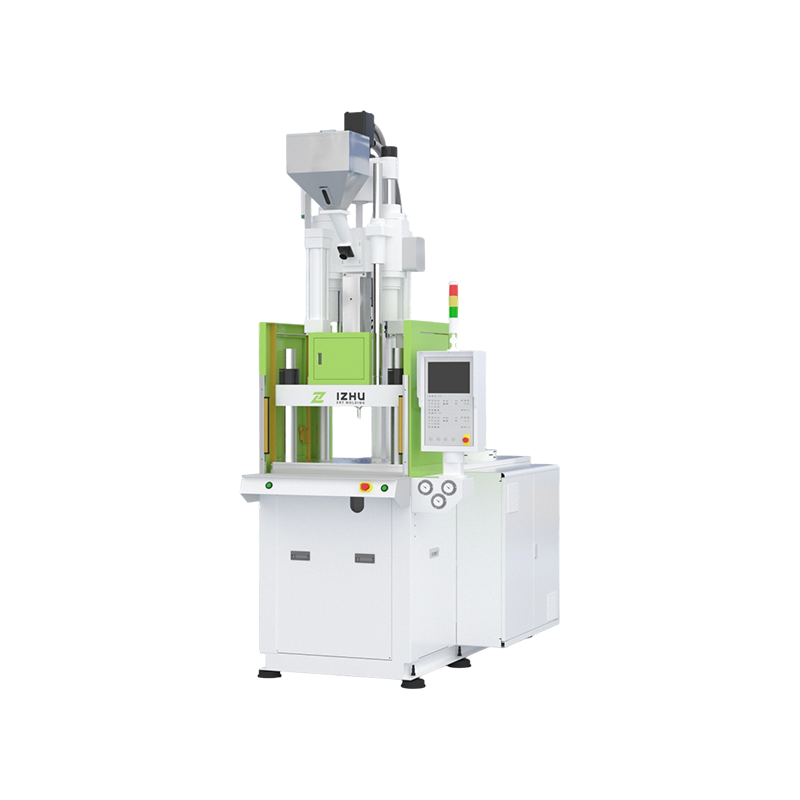
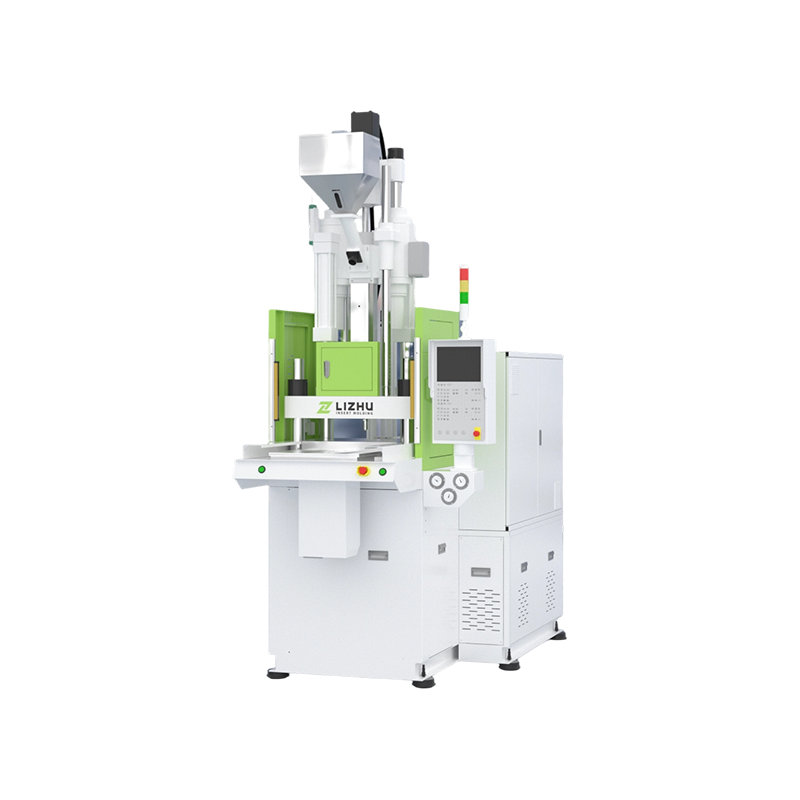
An injection molding machine typically costs between $3,000 and $1,000,000+, depending on machine type, clamping force (tonnage), brand, and level of automation. A small benchtop or desktop injection molder for prototyping can start as low as $3,000–$10,000, while a mid-range industrial machine with 100–300 tons of clamping force generally ranges from $50,000 to $200,000. Large, high-tonnage production machines can exceed $500,000. Understanding what drives these price differences is essential before making a purchasing decision.
Injection Molding Machine Price Overview by Category
Machine prices divide into four broad tiers: entry-level, mid-range, industrial, and large-scale. Each tier serves different production volumes and part complexities. The table below summarizes typical price ranges so you can quickly identify which category fits your needs.
| Category | Clamping Force | Typical Price Range | Best For |
| Entry-Level / Desktop | < 10 tons | $3,000 – $15,000 | Prototyping, education, small batches |
| Small Industrial | 10 – 100 tons | $20,000 – $80,000 | Small consumer parts, low-volume production |
| Mid-Range Industrial | 100 – 500 tons | $80,000 – $300,000 | Automotive, appliance, packaging parts |
| Large / High-Tonnage | 500 – 4,000+ tons | $300,000 – $1,000,000+ | Automotive bumpers, large structural parts |
Table 1: Injection molding machine price ranges by clamping force category
Key Factors That Affect Injection Molding Machine Cost
The single biggest cost driver is clamping force (tonnage), but machine type, drive system, and automation level also play major roles. Here is a detailed breakdown of each factor:
1. Clamping Force (Tonnage)
Higher tonnage directly increases the machine's base price, often non-linearly. A 50-ton machine may cost $25,000–$40,000, while a 500-ton machine of the same brand and drive type can cost $180,000–$280,000. Clamping force must be matched to part size and material — using too small a machine causes flash defects, while oversizing wastes energy and capital.
2. Drive System: Hydraulic vs. Electric vs. Hybrid
Hydraulic machines are the most affordable upfront, while all-electric models cost 20–40% more but offer lower operating costs. Here is a side-by-side comparison:
| Drive Type | Purchase Price Premium | Energy Consumption | Precision | Maintenance Cost |
| Hydraulic | Baseline (lowest) | High | Moderate | Moderate (hydraulic fluid, seals) |
| All-Electric | +20% – 40% | 30–70% less than hydraulic | High | Low |
| Hybrid | +10% – 25% | Moderate | High | Low to Moderate |
Table 2: Comparison of injection molding machine drive systems and their cost implications
3. Machine Configuration and Specialization
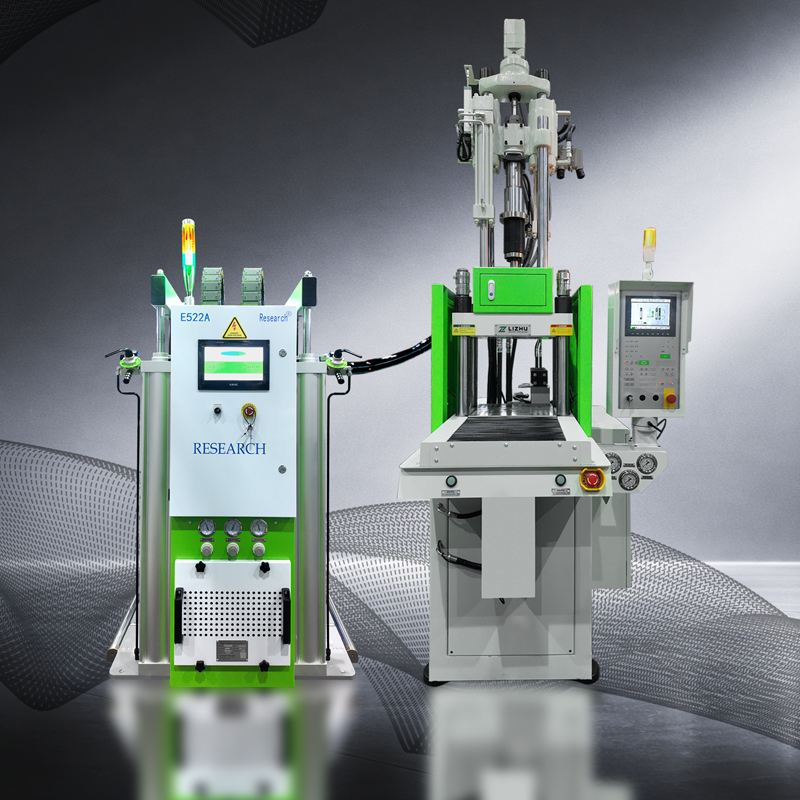
Specialized machine configurations — such as two-shot (2K), insert molding, or micro-injection — add significant cost above standard models. For example, a two-component injection molding machine typically costs 40–80% more than a standard single-shot machine of equivalent tonnage. Vertical machines, commonly used for insert molding, also carry a premium of 15–30% compared to horizontal equivalents.
4. New vs. Used Injection Molding Machines
A used injection molding machine can cost 40–70% less than a comparable new model, but requires careful inspection and may come with higher maintenance risk. For example, a new 150-ton hydraulic machine might list at $90,000, while a 5-year-old equivalent could be purchased for $30,000–$50,000 at auction. However, older machines may lack modern energy-saving servo drives and digital controls, increasing long-term operating costs.
5. Country of Origin and Brand Tier
Machines manufactured in China or Taiwan generally cost 30–60% less than European or Japanese counterparts, with the trade-off being differences in precision, support, and longevity. Entry and mid-tier Chinese machines have improved dramatically in quality and now dominate global sales volume. Premium European and Japanese machines remain the standard for high-precision, cleanroom, or medical-grade applications where tight tolerances and documentation are mandatory.
Injection Molding Machine Cost by Application Industry
Industry requirements — tolerance, cycle speed, material compatibility — heavily shape which machine tier is appropriate and therefore what you will pay.
| Industry | Typical Tonnage Range | Recommended Machine Type | Estimated Machine Cost |
| Medical / Pharmaceutical | 20 – 200 tons | All-Electric, Cleanroom-rated | $80,000 – $400,000 |
| Automotive | 300 – 4,000 tons | Hydraulic or Hybrid | $200,000 – $1,000,000+ |
| Consumer Electronics | 50 – 300 tons | All-Electric or Hybrid | $60,000 – $250,000 |
| Packaging | 50 – 500 tons | Hydraulic or High-Speed Electric | $40,000 – $300,000 |
| Toys & Household Goods | 50 – 200 tons | Hydraulic | $25,000 – $120,000 |
Table 3: Typical machine costs and types by manufacturing industry
Total Cost of Ownership: Beyond the Purchase Price
The purchase price of an injection molding machine is only 40–60% of its true 10-year cost when you account for energy, labor, maintenance, and tooling. Buyers who focus only on sticker price often underestimate running costs. Key additional cost categories include:
- Tooling (molds): A single production-grade steel mold typically costs $10,000–$100,000 depending on complexity, number of cavities, and material. Mold cost is often equal to or greater than the machine for complex parts.
- Energy costs: A 200-ton hydraulic machine running 24/7 may consume 30–60 kW continuously, translating to $15,000–$40,000/year in electricity depending on local rates. An equivalent all-electric machine can cut this by 40–60%.
- Preventive maintenance: Budget 1–3% of machine purchase price annually for routine maintenance (hydraulic fluid changes, screw/barrel wear, seal replacement).
- Operator labor: Even semi-automated lines require skilled operators or technicians, adding $35,000–$80,000/year in labor cost per shift.
- Peripheral equipment: Robots, dryers, temperature controllers, granulators, and conveyors can add $5,000–$50,000+ to initial setup costs.
How to Choose the Right Machine for Your Budget
The most important step is to match clamping force to your largest part before comparing prices. Follow this decision framework:
Step 1 – Calculate Required Clamping Force
A general rule is 2–5 tons of clamping force per square inch of projected part area. For example, a part with a 20 in² projected area molded in polypropylene (low-viscosity material) might need 2 × 20 = 40 tons minimum, while a glass-filled nylon part of the same size could need 4 × 20 = 80 tons.
Step 2 – Determine Production Volume
Low volumes (under 10,000 parts/year) may justify a used or low-cost machine because amortized cost per part remains manageable. High-volume production (1 million+ parts/year) justifies all-electric or hybrid machines where energy savings alone can pay back the premium within 2–4 years.
Step 3 – Assess Precision Requirements
Standard consumer parts with tolerances of ±0.1 mm are achievable on mid-grade hydraulic machines. Tight-tolerance medical or optical parts (±0.01 mm or better) require all-electric machines with closed-loop control, pushing cost upward.
Step 4 – Compare New vs. Refurbished vs. Leased Options
Leasing an injection molding machine is increasingly common for startups and small manufacturers. Monthly lease payments for a $100,000 machine typically run $1,800–$3,000/month over a 48-month term. Leasing preserves capital but increases total cost over ownership by 15–25%.
New vs. Used Injection Molding Machine: Detailed Comparison
Buying used can save $30,000–$200,000 on a single machine, but the risks of hidden wear, obsolete controls, and limited warranty must be carefully weighed.
| Factor | New Machine | Used Machine |
| Purchase Price | Full list price | 40–70% less than new |
| Warranty | 1–3 years standard | Typically none or 30–90 days |
| Control Technology | Latest digital/IoT controls | May be obsolete; parts harder to source |
| Energy Efficiency | High (servo drives) | Often lower efficiency |
| Lead Time | 8–24 weeks typical | Available immediately |
| Risk | Low | Higher (hidden wear, unknown history) |
Table 4: New vs. used injection molding machine comparison across key purchasing factors
Hidden and Ongoing Costs to Budget For
Many buyers are surprised by setup, training, and infrastructure costs that can add 20–40% on top of the machine purchase price. Common hidden costs include:
- Installation and commissioning: $2,000–$15,000 depending on machine size and site conditions.
- Electrical infrastructure upgrades: Large machines require 3-phase power (200–480V), and upgrading a facility's electrical panel can cost $5,000–$30,000.
- Cooling water systems: Industrial chillers cost $3,000–$20,000 and are necessary for consistent cycle times and part quality.
- Operator training: Formal training programs from machine suppliers cost $1,000–$5,000 per operator.
- Spare parts inventory: A basic spare parts kit (screws, barrels, tie bar nuts, seals) for a mid-range machine typically costs $3,000–$12,000.
- Shipping and freight: International shipping for a large machine can add $3,000–$20,000 to the delivered cost.
Frequently Asked Questions About Injection Molding Machine Costs
How much does a small injection molding machine cost?
A small benchtop or desktop injection molding machine for prototyping or low-volume production typically costs between $3,000 and $15,000. These machines usually offer less than 10 tons of clamping force and are suitable for producing small plastic parts from commodity resins.
Is injection molding expensive compared to other manufacturing methods?
Injection molding has high upfront costs (machine + mold), but at volumes above 10,000–50,000 parts, cost per part becomes very competitive — often $0.05–$2.00 per part — making it significantly cheaper than CNC machining or 3D printing at scale. The break-even point depends heavily on part complexity and mold cost.
What is the cheapest way to get started with injection molding?
The most affordable entry point is a used small-tonnage hydraulic machine ($10,000–$30,000) paired with an aluminum prototype mold ($1,500–$5,000). This setup can produce functional parts for market validation before committing to full production tooling. Alternatively, outsourcing to a contract molder avoids capital investment entirely for low-volume needs.
How much does an all-electric injection molding machine cost compared to hydraulic?
An all-electric machine of equivalent tonnage costs approximately 20–40% more than a comparable hydraulic machine at the point of purchase. However, energy savings of 30–70% can return the price premium within 2–5 years in high-volume production. For medical, optical, or cleanroom applications, all-electric is often the only viable option.
Can I lease an injection molding machine instead of buying?
Yes, leasing is available through equipment finance companies and some manufacturers. A $100,000 machine typically leases for $1,800–$3,000/month over 36–60 months. Leasing is advantageous for conserving working capital and accessing newer technology, but results in a 15–25% higher total cost versus outright purchase over the full term.
What should I look for when buying a used injection molding machine?
Key inspection points include screw and barrel wear (measured via shot weight consistency), hydraulic system condition (check for leaks and pump noise), tie bar integrity, and the age and availability of the control system software. Always request machine shot counter data, maintenance records, and ideally a test run before purchase.
Does machine cost vary significantly by country?
Yes. Machines manufactured in China typically cost 30–60% less than European or Japanese equivalents at the same tonnage and configuration. The gap has narrowed for mid-range performance, but premium accuracy, documentation (required for ISO 13485 medical compliance, for example), and after-sales support often justify the higher cost of European or Japanese machines for demanding applications.
Summary: What to Expect When Budgeting for an Injection Molding Machine
Plan for a total investment of 1.5–2.5 times the machine purchase price when all setup, tooling, and infrastructure costs are included. Here is a quick-reference summary of realistic budget ranges by scale:
- Prototyping / R&D setup: $15,000–$50,000 (desktop machine + aluminum mold + basic peripherals)
- Small-scale production line: $60,000–$150,000 (small hydraulic or electric machine + production mold + cooling)
- Mid-volume production facility: $200,000–$600,000 (multiple mid-range machines + tooling + automation)
- High-volume / automotive production: $500,000–$2,000,000+ per cell (large-tonnage machines + multi-cavity tooling + robotics)
Understanding the full cost picture — machine price, drive type, tooling, energy, and ongoing maintenance — allows manufacturers to make informed investment decisions and accurately forecast profitability per part. Whether you are a startup exploring low-volume production or a contract manufacturer scaling up capacity, aligning machine selection with production requirements from the start is the most reliable way to control injection molding machine costs over the long term.