中文简体


The difference between hydraulic and electric injection molding machines comes down to how each machine generates force. A hydraulic machine uses a central motor to drive hydraulic pumps, valves, and cylinders filled with oil. An all-electric machine replaces that oil circuit with servo motors, ball screws, or direct drives. Nearly everything else follows from this single design decision: energy consumption, shot repeatability, cycle time, noise, maintenance, and purchase price.
The practical answer is straightforward. Choose hydraulic when you need the most clamping force per dollar, thick-wall parts, or heavy hydraulic core-pull actions. Choose all-electric when you run medical, electronics (3C), or thin-wall precision parts and can justify a higher purchase price with lower running costs and tighter tolerances. Choose hybrid when your production mix includes both demands and you want a middle ground on price and performance.
Drive System: The One Difference That Explains Everything
Hydraulics create motion with fluid pressure, while electrics create motion with motor torque. This affects how quickly the machine responds, how much energy it draws when idle, and how consistently it repeats the same shot hour after hour.
How a Hydraulic Drive Works
A central electric motor usually runs continuously to keep the hydraulic pump pressurized. Proportional or servo valves then meter oil flow to the injection cylinder, clamping cylinder, and ejector. Because the pump keeps turning even between shots, part of the energy input becomes heat that must be removed by an oil cooler. Oil temperature also shifts viscosity, which changes flow characteristics slightly over a long production day.
How an All-Electric Drive Works
Separate servo motors handle injection, clamping, screw rotation, and ejection. Energy is delivered only when an axis moves, so there is no idling pump and no valve throttling loss. Response is measured in milliseconds, and shot-size repeatability can be held within a fraction of a percent. There is no oil to change, no valve hysteresis to compensate for, and no hydraulic power unit taking up floor space.
Hydraulic vs Electric Injection Molding Machine: Side-by-Side Comparison
The table below summarizes the practical trade-offs buyers usually weigh during machine selection.
| Feature | Hydraulic | All-Electric | Hybrid |
|---|---|---|---|
| Drive source | Central motor, pump, valves, cylinders | Servo motors with ball screws or direct drive | Servo injection with hydraulic clamping, or the reverse |
| Energy use per cycle | Higher; pump runs continuously | Lower; power on demand only | Between the two |
| Shot repeatability | Affected by oil temperature drift | Very high and stable | Good to very good |
| Cycle time | Longer dry-cycle and recovery time | Shorter, especially on small parts | Moderate |
| Noise level | Approximately 75–85 dB | Approximately 60–68 dB | Approximately 65–78 dB |
| Maintenance focus | Oil changes, filters, seals, cooling | Lubrication, belts, drive components | Both systems require attention |
| Upfront cost | Lower | Higher | Middle |
| Typical best fit | Thick-wall parts, high tonnage, hydraulic cores | Medical, 3C, thin-wall precision | Mixed or changing production demands |
Energy Consumption and Operating Cost
All-electric machines consume less energy per cycle than hydraulic machines in most molding applications, typically 30% to 70% less depending on tonnage, cycle time, and part weight. The reason is simple: a hydraulic pump keeps circulating oil even during the cooling phase, while servo motors draw almost nothing when an axis is stationary.
The gap widens on short cycles, because the idle portion of the cycle becomes a larger share of total time. It narrows on very large machines and long, thick-wall cycles where hydraulic force is genuinely required for most of the cycle. Two costs are easy to overlook during evaluation. First, hydraulic machines reject heat into the oil, which increases chiller load and factory cooling cost. Second, peak power demand can affect electricity tariffs, and a continuously running pump contributes to that peak.
A hybrid machine captures part of the saving. If the injection axis is servo-driven but clamping remains hydraulic, the pump can often be downsized, cutting idle losses without giving up clamping force.
Precision, Repeatability, and Part Quality
Servo-driven machines hold shot weight, cushion position, and injection velocity more consistently, which is why they dominate medical, optical, and thin-wall electronics production. A hydraulic machine can deliver good precision, but it depends more heavily on stable oil temperature, valve condition, and regular maintenance.
Consider a 0.5-gram part with a tolerance of plus or minus 0.01 grams. On an electric press, the servo responds to a pressure or position command within milliseconds and repeats the same profile shot after shot. On a hydraulic press, a 5°C rise in oil temperature changes viscosity, which changes flow through the same valve opening, and the shot can drift. Good hydraulic machines compensate with closed-loop control and oil temperature regulation, but that adds cost and complexity.
Part quality still depends on the mold, material drying, and cooling design. A precise machine cannot fix a poorly balanced runner system, and a hydraulic machine with a well-designed mold can still produce excellent parts.
Maintenance, Noise, and the Factory Floor
Hydraulic machines demand more routine care, while electric machines are cleaner and quieter in day-to-day operation. The differences are easiest to see in a maintenance schedule:
- Hydraulic: oil changes and oil analysis, filter replacement, seal and hose inspection, oil cooler cleaning, and leak management.
- All-electric: lubrication of screws and guides, belt tension checks, and periodic verification of servo tuning.
- Hybrid: both lists apply, though the hydraulic portion is usually smaller.
Noise matters more than many buyers expect. A hydraulic power unit running continuously can push a molding cell above 80 dB, which affects operator comfort and may require hearing protection. Electric machines commonly sit in the low 60s to high 60s, making conversation possible next to the press. Cleanliness also matters in medical and electronics plants, where oil mist and leakage are unwelcome.
When a Hydraulic Machine Is the Better Buy
A hydraulic machine is usually the better buy when high clamping force, heavy core-pull actions, or the lowest possible capital cost drive the project. The technology is mature, spare parts are widely available, and maintenance teams in most factories already know how to service it.
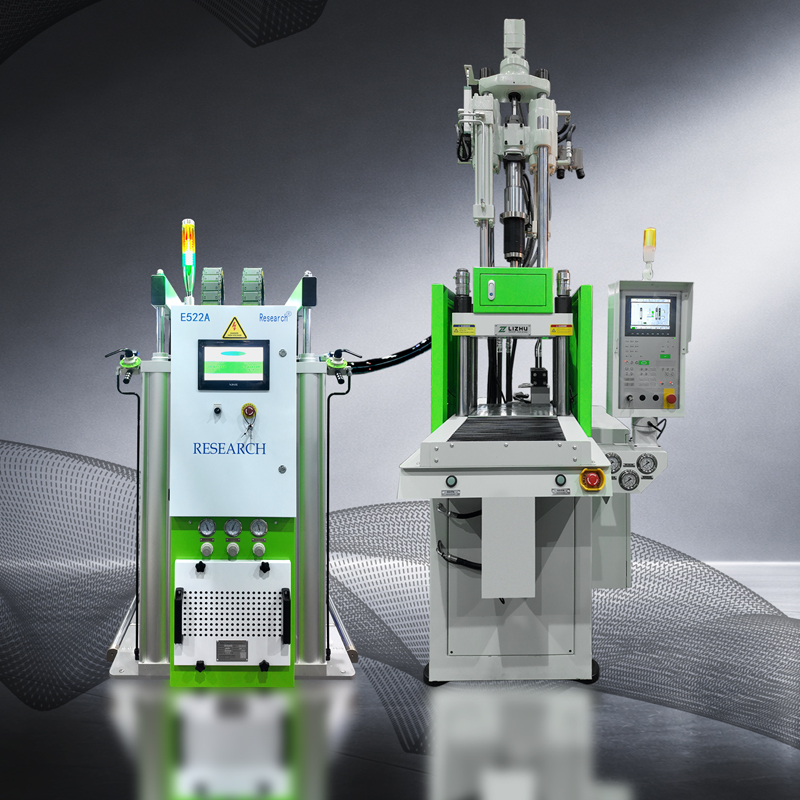
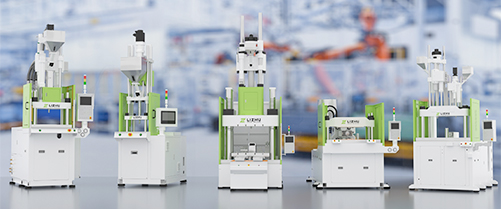
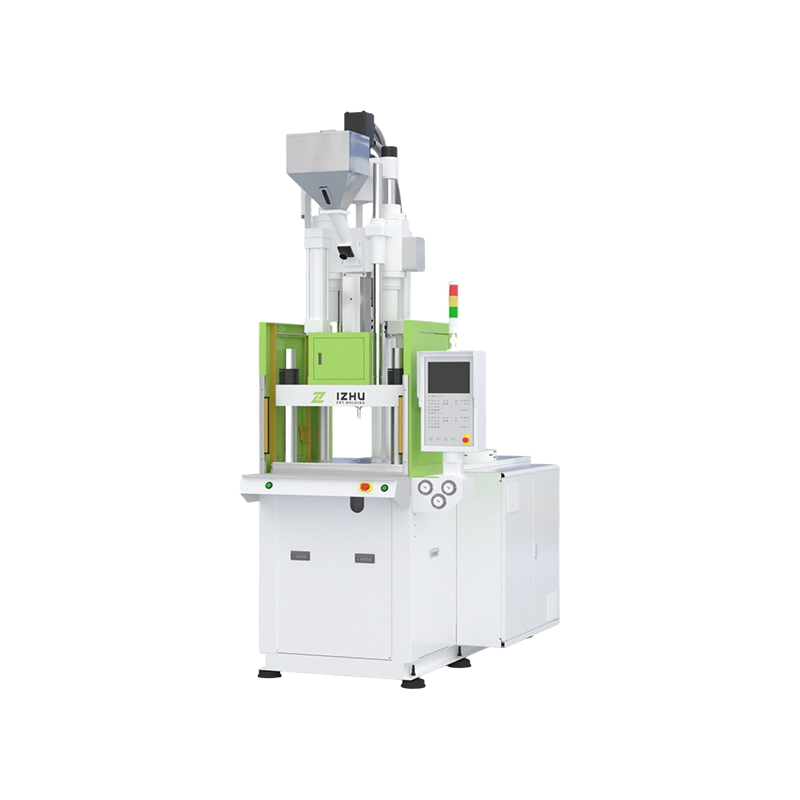 Standard Vertical Injection Molding Machine for Precision Insert MoldingVertical mold closing and injection save floor space and ease insert loading, making this standard machine relevant for complex parts requiring high-precision alignment.View Product →
Typical situations where hydraulics still win include:
- Large parts with thick walls that need sustained packing pressure.
- Molds with multiple hydraulic slides, cores, or unscrewing units.
- High-tonnage presses where an equivalent all-electric machine carries a large price premium.
- Plants with limited electrical capacity, since a hydraulic machine may draw less peak current than a comparable servo-driven press in some configurations.
- Job shops running a wide mix of materials and molds where flexibility matters more than cycle time.
When an All-Electric Machine Is Worth the Premium
An all-electric machine earns its higher price when precision, cleanliness, and energy savings directly affect product yield or regulatory requirements. In those environments, the payback period is often two to four years, and sometimes less on high-volume thin-wall work.
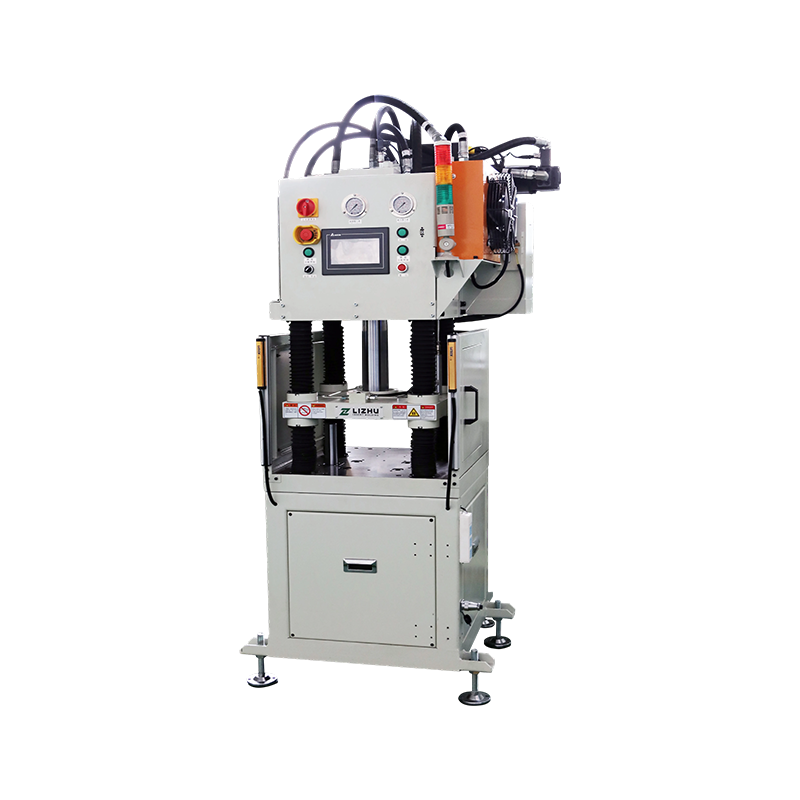
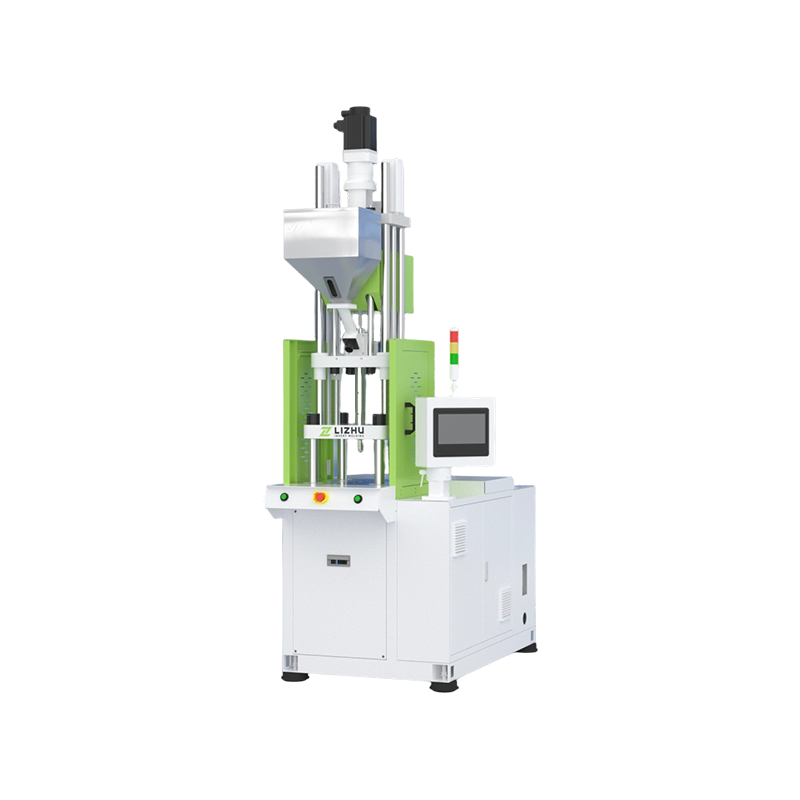 Electric Vertical Injection Molding Machine for Precision Insert MoldingElectric drive supports high-precision, efficient insert molding and precision parts; relevant when cleanliness, energy savings, and accuracy affect yield or compliance.View Product →
Consider all-electric when:
- Shot weight must be repeated within a very tight band, such as in medical consumables or connectors.
- Parts are thin-walled and cycle time is dominated by injection and recovery speed.
- The production area must stay clean, quiet, and free of oil handling.
- Energy cost is a significant part of the plant's operating budget.
- Traceability and process data collection are required for quality documentation.
Vertical electric machines are particularly common in insert molding and precision assembly work; the reasons are outlined in this discussion of why medical and 3C manufacturers favor vertical electric machines.
Hybrid and Customized Options
A hybrid or customized machine often delivers the best balance when no standard platform fits the job. Mixing servo injection with hydraulic clamping keeps energy use moderate while preserving the tonnage and core-pull capability that large molds need.
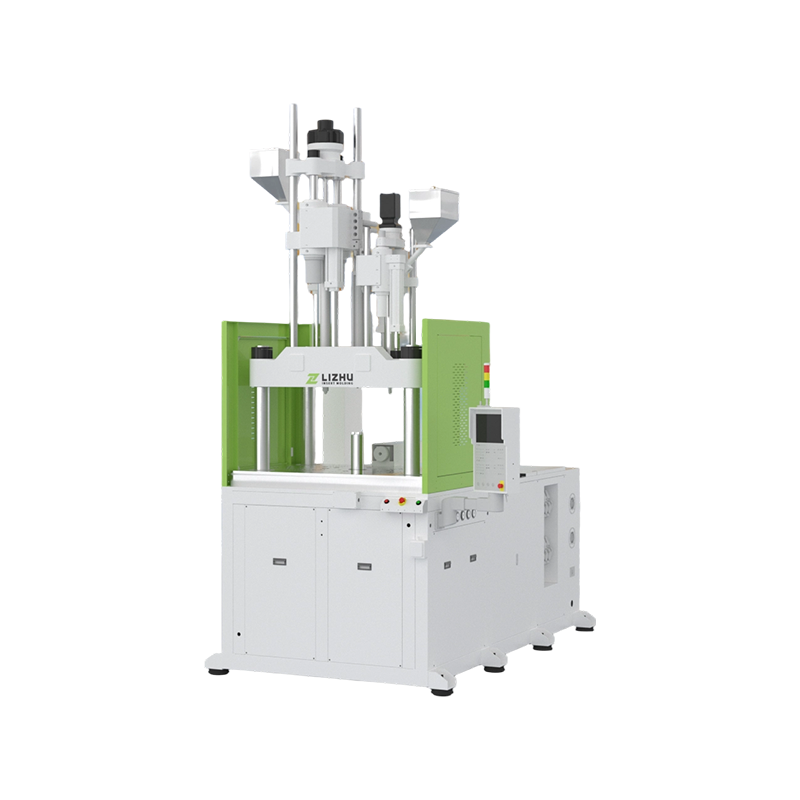 Multicolor Vertical Injection Molding Machine for Customized Multi-Material ProductionSupports single, double, or triple injection of different colors or materials in one cycle, suited to customized precision molding when standard platforms do not fit.View Product →
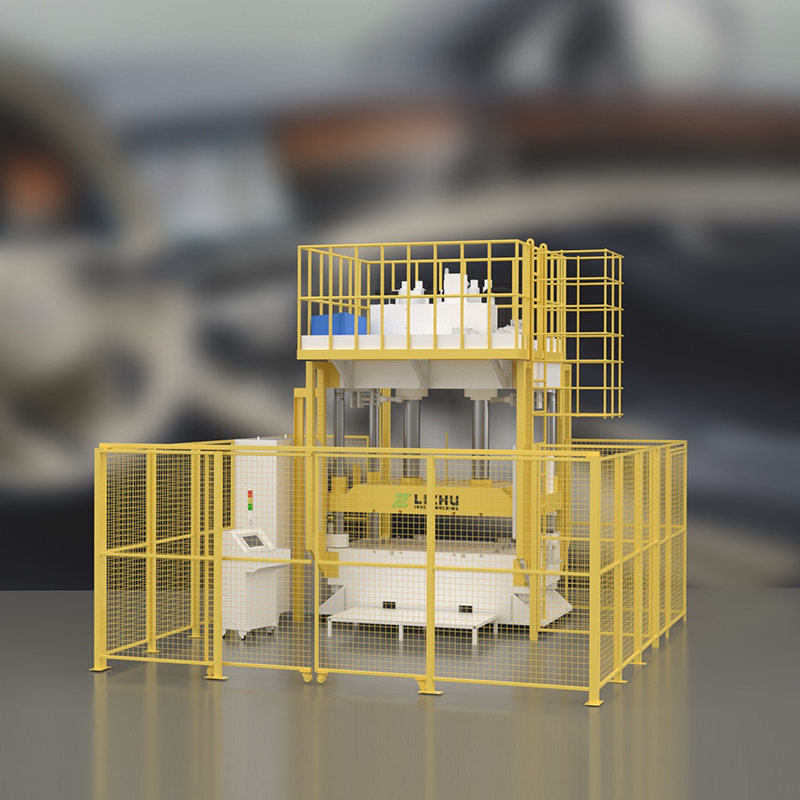
Custom configurations can also address multi-color molding, vertical-horizontal combinations, and large low-base designs that fit under low ceilings or into existing production lines. The right choice depends less on the drive label and more on which axis actually limits your quality and cycle time.
How to Choose in Practice
Use a structured comparison rather than a drive-system preference, and let the numbers decide the purchase. A workable sequence looks like this:
- Define the part: wall thickness, weight, tolerance, surface requirement, and annual volume.
- List mold requirements: number of cavities, slide and core actions, hot runner, and ejection needs.
- Calculate the required clamping force with a safety margin rather than selecting by habit.
- Estimate energy cost per thousand parts for each machine type using your actual tariff and cycle time.
- Add maintenance, oil disposal, and cooling costs over five years.
- Check available floor space, power supply, and ceiling height for vertical or custom designs.
- Run a trial with the actual mold and material before committing to a platform.
If two options remain close, the tiebreaker is usually the application. Precision and cleanliness favor electric; force and capital cost favor hydraulic. More selection questions are covered in the frequently asked questions about machine selection.
FAQ
Is an all-electric machine always more energy efficient than a hydraulic one?
No. It is more efficient in most cycles, but the advantage shrinks on very long, thick-wall cycles and on machines above roughly 800 tons where hydraulics remain cost-effective. The comparison should always be made on the same part, mold, and cycle time.
Can an all-electric machine deliver enough clamping force for large parts?
Yes, all-electric machines are available at high tonnage, but the price premium grows quickly. For very large parts, a hydraulic or hybrid machine often provides better value unless precision requirements justify the extra cost.
What exactly is a hybrid injection molding machine?
It combines two drive technologies, most commonly servo-driven injection with hydraulic clamping. This keeps injection accuracy high while retaining the force and lower cost of hydraulic clamping.
How long does it take for an electric machine to pay back the price difference?
In high-volume precision production, payback often falls between two and four years when energy, scrap reduction, and maintenance savings are combined. Low-volume job shops may never reach that point and should stay with hydraulics.
Can I run the same mold on both machine types?
Usually yes, provided the machine has sufficient tonnage, tie-bar spacing, and ejector stroke. The process window will differ, so plan for a fresh setup and possibly a different cooling strategy.
The difference between hydraulic and electric injection molding machines is ultimately a difference in how force is produced and controlled. Hydraulics give you economical force, rugged simplicity, and proven performance on thick-wall and high-tonnage work. Electrics give you precision, cleanliness, and lower running costs on demanding parts. Match the drive system to the part, the mold, and the volume, and the decision becomes far less complicated.