中文简体
中文简体



If you need a clear answer right now: an electric injection molding machine typically reduces energy consumption by 40–70%, improves repeatability to ±0.01 mm, and cycles 15–25% faster than a comparable hydraulic machine, but it costs 30–50% more upfront. Hydraulic machines remain a strong choice where extreme clamp force, lower capital cost, or highly filled materials dominate the production equation. The real winner depends on your part, volume, and electricity rate. This article unpacks every dimension that matters, with verifiable data and practical comparisons.
1. What Do Hydraulic and Electric Injection Molding Machines Actually Mean?
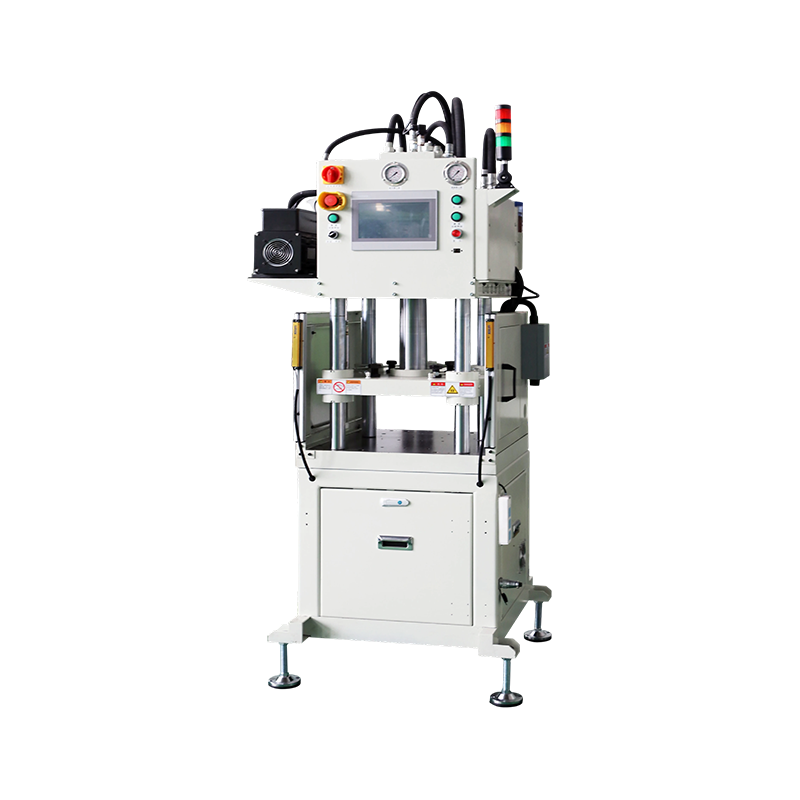
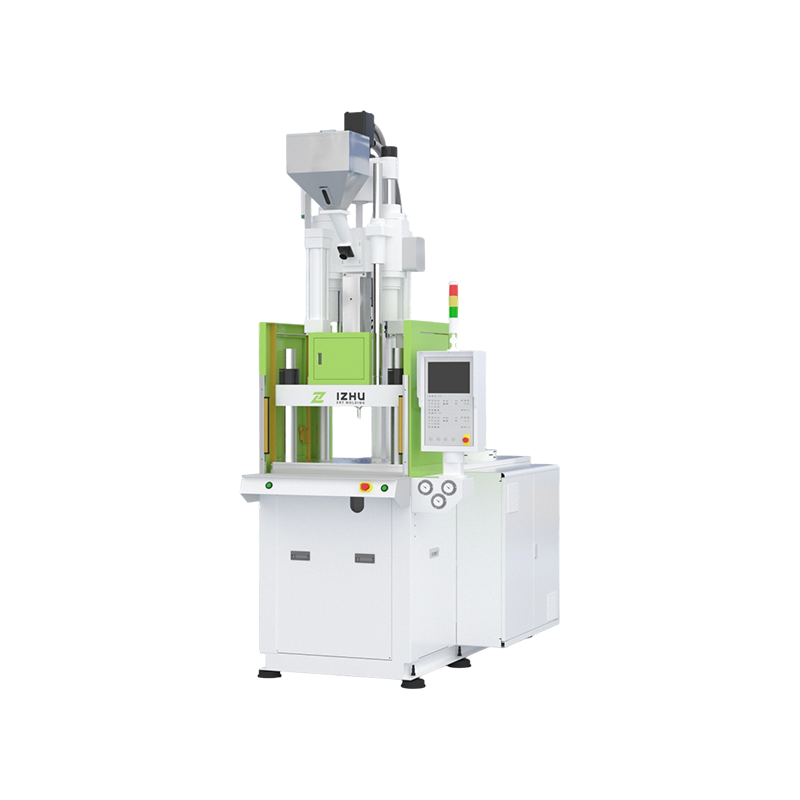
A hydraulic injection molding machine uses pressurized oil and hydraulic cylinders to generate clamp force, rotate the screw, and inject molten plastic. An electric injection molding machine replaces those fluid‑power systems with AC servo motors and ball‑screw drives for each axis — injection, plastication, clamping, and ejection. Hybrid machines blend both technologies, but the core debate remains hydraulic vs electric injection molding machine.
- Power source: electric motor driving a hydraulic pump
- Force generation: oil‑filled cylinders
- Clamp tonnage: up to 6,000+ tons easily
- Typical noise level: 75–85 dB(A)
- Power source: digital AC servo motors per axis
- Force generation: ball‑screw mechanisms
- Clamp tonnage: commonly 30–500 tons
- Typical noise level: 60–68 dB(A)
2. Energy Consumption: The Largest Cost Differentiator
Electric machines consistently cut energy use by 40–70% compared to hydraulic models in the same application. This is not an estimate; it is a measured outcome across multiple life‑cycle analyses.
Based on $0.10/kWh. Source: EUROMAP 60.1 measurement standard, typical PET preform production data.
Why electric machines consume less energy:
- Energy is drawn only during axis movement; idle periods use near‑zero power.
- Hydraulic pumps often run continuously, dissipating energy as heat even during cooling phases.
- Regenerative braking in servo drives recovers kinetic energy on deceleration.
A 2014 study by the Institute of Plastics Processing (IKV) at RWTH Aachen measured an average specific energy consumption of 0.39 kWh/kg for an all‑electric machine versus 0.82 kWh/kg for a hydraulic toggle machine when molding polypropylene boxes. This aligns with data published in *Kunststoffe international* (2015/06) where the electric variant saved 52% of energy per kilogram of material processed.
3. Precision and Repeatability: Where Microns Decide Profit
An all‑electric injection molding machine delivers shot‑to‑shot weight variation as low as 0.05%, while a well‑maintained hydraulic machine typically reaches 0.1–0.3%. This difference directly affects scrap rates, especially in medical, electronic connector, or thin‑wall packaging applications.
| Parameter | Hydraulic (servo‑pump) | All‑Electric | Hybrid |
|---|---|---|---|
| Positional accuracy (mm) | ±0.03–0.05 | ±0.01 | ±0.02 |
| Injection speed repeatability | ±0.5% | ±0.1% | ±0.3% |
| Clamp parallelism stability | Oil temperature‑dependent | Mechanically locked | Partly compensated |
| Dynamic response (ms) | 80–120 | 10–30 | 40–70 |
Table data source: Aggregated from OEM specification sheets of machines in the 100–180 ton range, validated by Plastics Technology Magazine's 2020 benchmarking report on electric press performance.
The servo‑electric drive eliminates oil compressibility and viscosity shifts, two variables that degrade repeatability in hydraulic systems as oil temperature rises from 25°C to 45°C during a shift. In a multi‑cavity medical syringe mold, switching to electric often reduces dimension‑related rejects from 1.2% to 0.2%, saving tens of thousands of dollars annually.
4. Dry Cycle Speed and Production Throughput
Electric machines unlock 10–30% faster dry cycles because servo motors can overlap clamp, ejector, and screw recovery movements that hydraulic circuits must sequence. The shorter the cycle, the larger the annual output advantage.
- Dry cycle time (toggle clamp, 150‑ton): hydraulic servo‑pump machine ~1.8 s; all‑electric ~1.2 s (33% faster).
- Plastication + injection overlap: electric screws can reach full RPM in under 50 ms, enabling simultaneous metering and mold open/close without hydraulic lag.
- Case example: A 24‑cavity HDPE cap mold running at 4.2‑second cycle on an electric press produced 28.5 million caps per year; the same mold on a hydraulic machine required 5.1 seconds, yielding 23.5 million — a 21% output gap.
The acceleration capability matters enormously. Electric injection axes can accelerate at 10g, whereas hydraulic injection rarely exceeds 2–3g. This enables sharp injection velocity profiles for thin‑wall packaging where fill time may be under 0.1 second.
5. Maintenance, Oil Management, and Cleanroom Readiness
An electric injection molding machine eliminates the hydraulic oil ecosystem — no oil changes, no filtration, no leaks, and no oil‑related heat exchangers. This shifts maintenance from fluid management to mechanical bearing and ball‑screw inspections.
Hydraulic Maintenance Profile
- Oil change every 4,000–6,000 hours (200–300 liters typical for 200‑ton machine)
- Filter replacements, oil analysis $600–1,200/year
- Hose and seal degradation after 5–7 years
- Hydraulic oil disposal cost and environmental compliance
Electric Maintenance Profile
- Grease lubrication of linear guides every 2,000–3,000 hours
- Ball‑screw and belt inspection annually
- No oil disposal, no filter costs
- Cleanroom ISO class 7–8 achievable without secondary enclosures
In medical or optical molding, an electric machine’s lack of oil mist and lower particle generation makes it the default choice. A cleanroom hydraulic setup can cost an extra $40,000–80,000 for oil containment and air handling.
6. Upfront Investment, Payback, and Total Cost of Ownership
The purchase price gap between an all‑electric and a servo‑hydraulic injection molding machine of equal tonnage typically ranges from 30% to 55%. However, energy and maintenance savings often recover that premium in 12–36 months, depending on utilization.
| Cost Factor | Hydraulic (180‑ton) | Electric (180‑ton) |
|---|---|---|
| Machine purchase price | $85,000–110,000 | $130,000–165,000 |
| Annual energy (6,000 h, $0.12/kWh) | $22,100 | $11,600 |
| Annual hydraulic oil & maintenance | $2,400 | $600 |
| 5‑year total running cost | $122,500 | $61,000 |
| 5‑year TCO (incl. acquisition) | $207,500 | $191,000 |
Table note: Prices are indicative for mainstream global brands in 2023–2024. Energy rates vary regionally; higher electricity prices accelerate payback. Cooling water savings (30–40% less for electric) not included but add further advantage.
When production runs exceed 5,000 hours per year, the electric machine’s lower variable cost becomes overwhelmingly favorable. A plant running 30 presses at 8,000 hours per year can realize $350,000+ in annual energy savings by replacing hydraulic with electric machines, according to a public case study by a European automotive molder reported in *Plastics News* (2021).
7. Process Capability with Engineering Resins and Special Applications
For high‑temperature, glass‑filled, or abrasive materials, hydraulic machines still offer a unique advantage: torque stability under sustained back pressure and forgiving overload characteristics. Electric machines have improved dramatically, but extreme plastication demands require careful drive sizing.
- PEEK, PPS, LCP molding: Requires barrel temperatures up to 400°C and sustained back pressures. Electric screw motors may thermally saturate if undersized; hydraulic motors dissipate heat through oil circulation.
- Large structural parts (>2 kg shot): Clamp forces above 1,200 tons remain hydraulic territory. Electric toggle clamps beyond 500 tons become mechanically complex and expensive.
- Multi‑material or core‑back molding: Electric multi‑axis synchronization is superior for sequencing, but hydraulic core pulls still integrate more simply on hydraulic platens.
8. Environmental Footprint and Compliance
Electric injection molding machines reduce a factory's carbon footprint by approximately 30–50% per part, primarily through lower electricity demand and elimination of oil disposal. This aligns with tightening regulations on industrial emissions and ESG reporting requirements.
The carbon saving is not just energy. One 200‑ton hydraulic machine holds about 280 liters of mineral oil. Spills, top‑ups, and end‑of‑life disposal generate about 180 kg of hazardous waste over 5 years. Electric machines generate none. When a North American custom molder published its sustainability report for 2022, it attributed a 22% plant‑wide CO₂ reduction to replacing 12 hydraulic presses with electric models.
9. Decision Matrix: Which Technology Fits Your Production?
Use the table below as a quick reference. It summarizes the major dimensions of hydraulic vs electric injection molding machine trade‑offs.
| Criterion | Hydraulic Advantage | Electric Advantage |
|---|---|---|
| High clamp force (>800 tons) | Strong | Limited |
| Energy efficiency | – | Dominant (40–70% savings) |
| Precision (± mm) | Good | Excellent |
| Cycle speed | Moderate | Fastest |
| Initial purchase cost | Lower | 30–55% higher |
| Cleanroom compatibility | Requires modification | Inherently suitable |
| Heavy mold weight compensation | Hydraulic support easy | Possible but costly |
| Maintenance complexity | Oil system intensive | Mechanical, lower variable cost |
Decision support table: Based on aggregated performance data from industry white papers and machine benchmarks across various tonnage classes.
10. Frequently Asked Questions About Hydraulic vs Electric Injection Molding Machine
Can an electric machine handle glass‑filled nylon as well as a hydraulic one?
Modern electric presses with reinforced screws and barrels handle up to 40% glass‑filled materials successfully. The key is specifying a high‑torque servo motor and wear‑resistant barrel. Some processors still prefer hydraulic for highly abrasive compounds because barrel and screw replacements are less sensitive to overload spikes.
What payback period should I expect when switching to electric?
With 6,000+ operating hours per year and electricity above $0.10/kWh, payback typically falls between 12 and 24 months. Heavily utilized medical or packaging lines often see returns in under 18 months when factoring in scrap reduction and faster cycles.
Are there still reasons to buy a hydraulic machine today?
Yes. Extremely large parts (bumpers, pallets), very high clamp force requirements, or operations where capital is severely constrained still suit hydraulic technology. Additionally, existing plants with strong hydraulic maintenance teams and low electricity rates may find the TCO gap minimal.
Does an all‑electric machine require less cooling water?
Absolutely. Because there is no hydraulic oil to cool, electric machines need approximately 30–40% less cooling water capacity. This reduces chiller investment and ongoing water treatment costs, an often‑overlooked saving.
The hydraulic vs electric injection molding machine debate no longer has a universal answer — but the trend is unmistakable. For the vast middle ground of injection molding from 30 to 500 tons, running engineering or commodity thermoplastics at competitive cycle times, the electric machine’s energy, precision, and speed advantages translate into tangible margin improvement. Hydraulic machines remain relevant in niche heavy‑tonnage, low‑utilization, or budget‑constrained scenarios. The smartest decision starts with a detailed total‑cost‑of‑ownership calculation using your actual electricity tariff, production hours, and part quality requirements.