 中文简体
中文简体

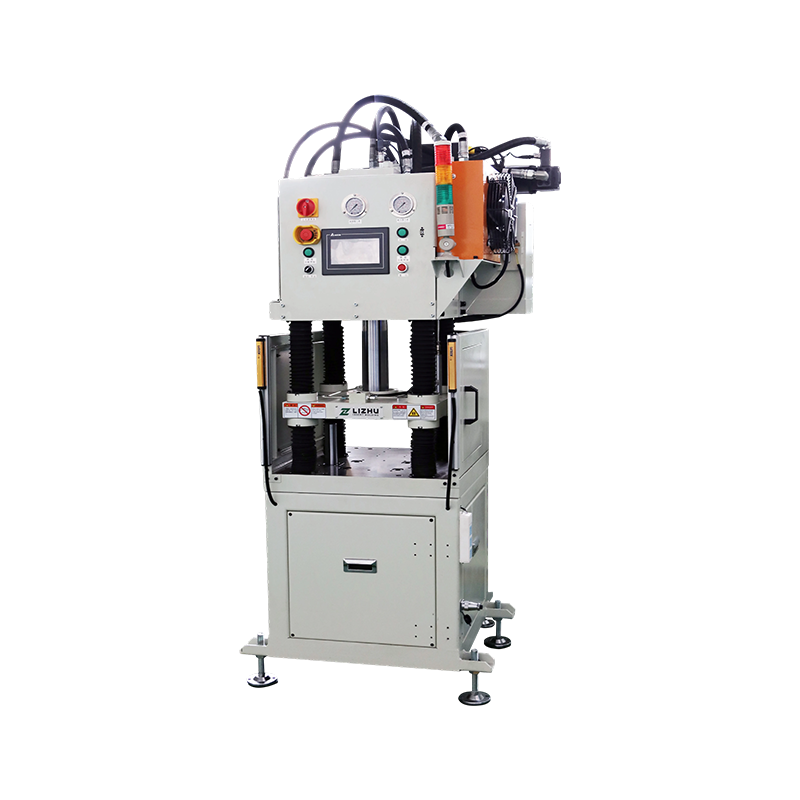
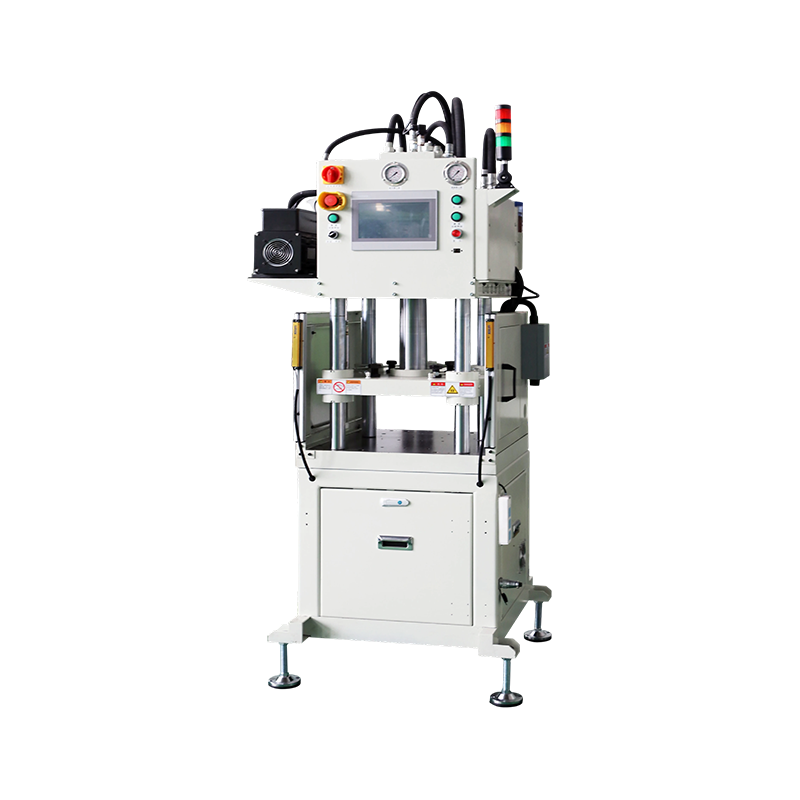
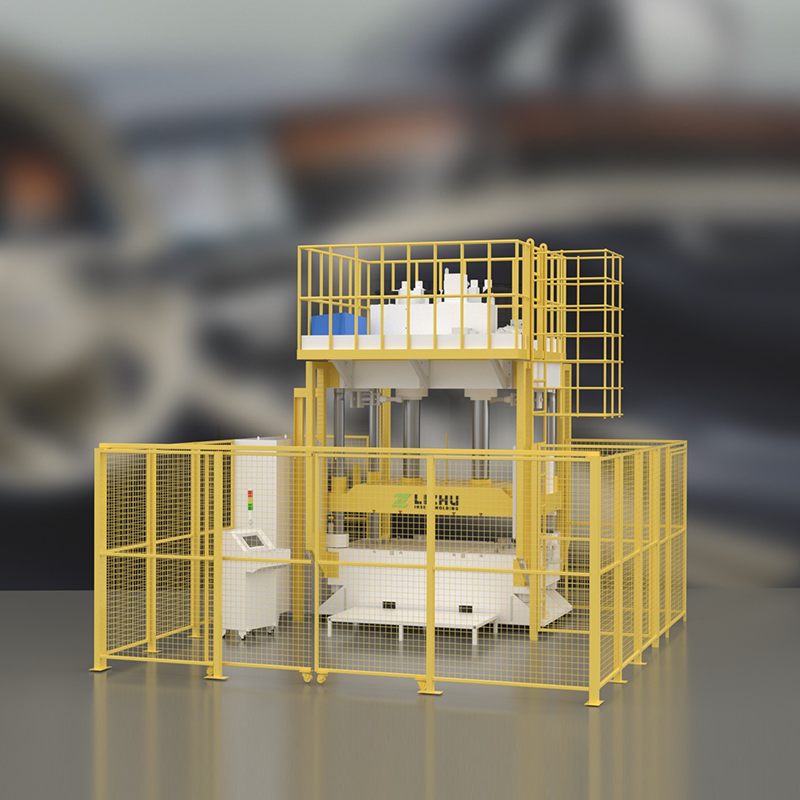
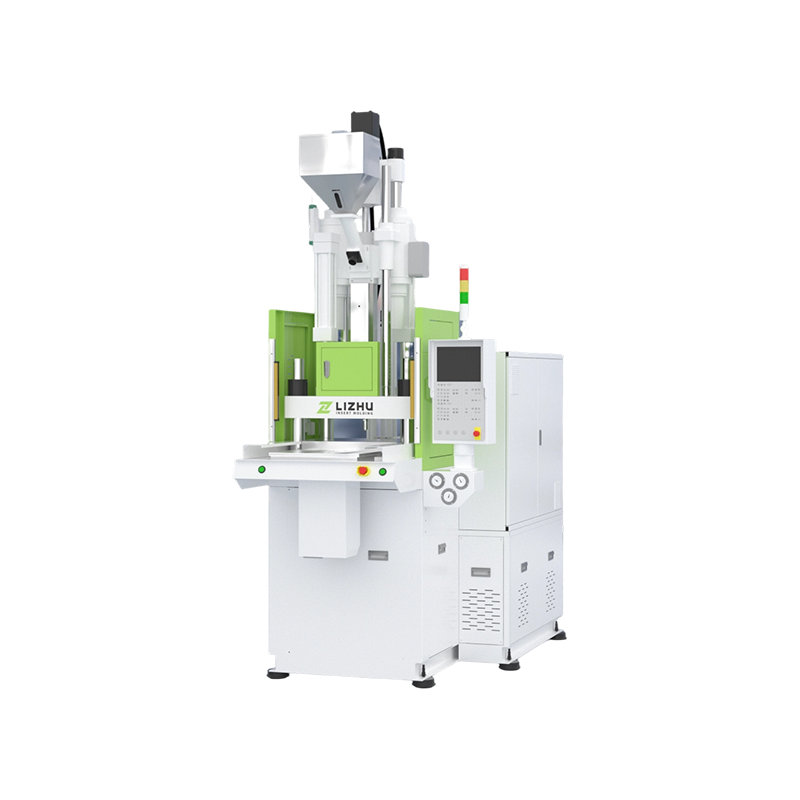
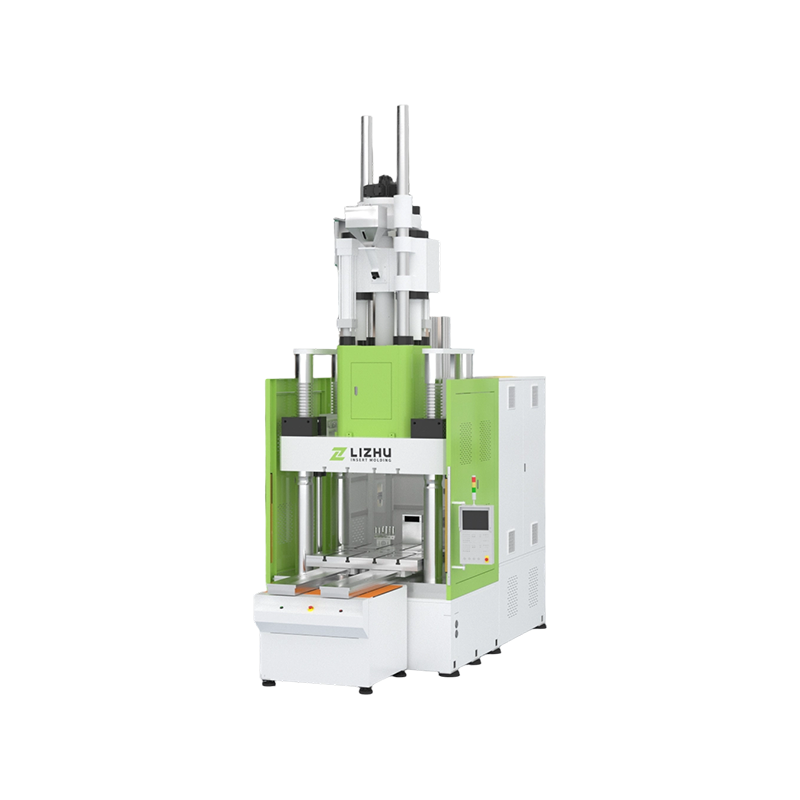
Shanghai, April 2026 — Lizhu Machinery will participate in Chinaplas 2026, taking place from April 21 to 24, 2026, at the National Exhibition and Convention Center (Shanghai). Visi...
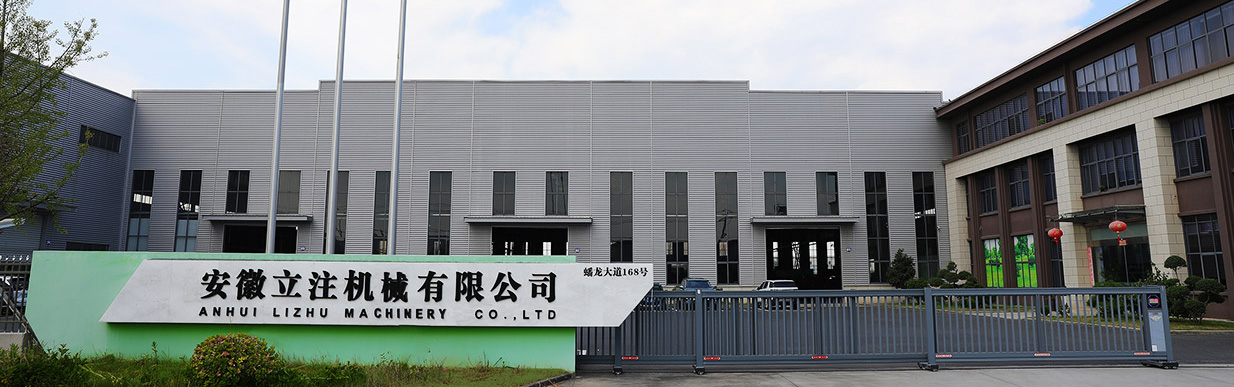
LIZHU Machinery Co., Ltd. was founded in 2011, is a leading company in high-speed precision injection molding...
View More
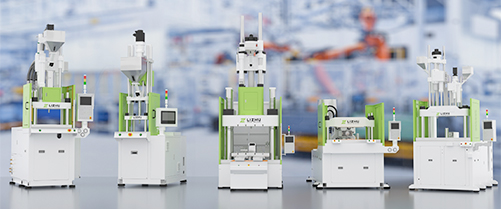
At present, we have various models of standard machines, skateboard machines, disc machines, and multi-color machines under 2000 tons.
View More
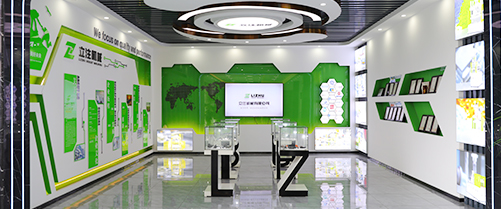
Check out the latest from the injection molding machine about the topics relevant to your industry and manufacturing process.
View More

Vertical Hydraulic Press Manufacturers
ABOUT US
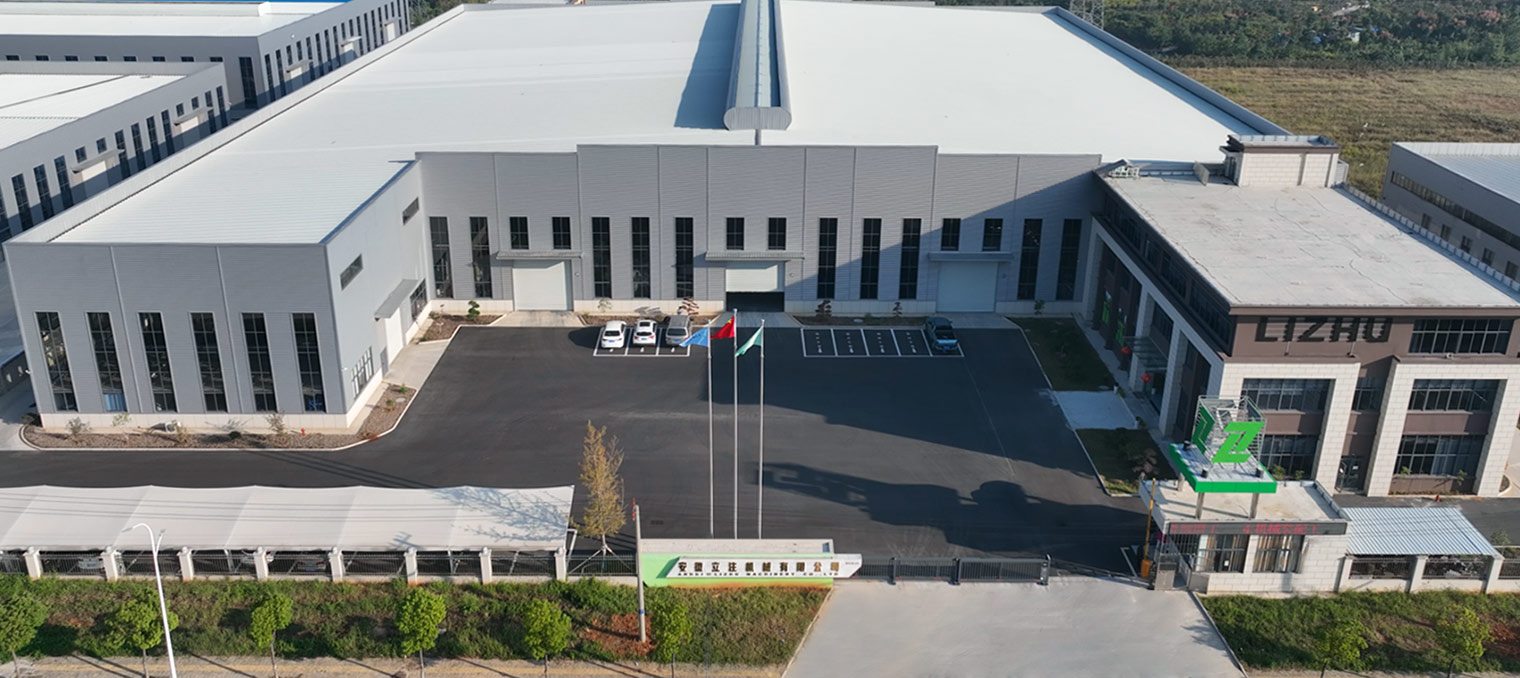
LIZHU Machinery Co., Ltd. is China Vertical Hydraulic Press Manufacturers and Custom Vertical Hydraulic Press Factory, was founded in 2011, is a leading company in high-speed precision injection molding, based in Suzhou, China. We aim to revolutionize the industry with our advanced machines and innovative solutions.
At our modern production facility in Wuhu, we specialize in manufacturing large and medium-sized injection molding machines, including electric models and automotive material molding solutions. We offer a range of standard machines, such as sliding tables, rotary tables, and multi-color models, serving various industries like electronics, automotive, aerospace, medical, and semiconductor packaging. We excel in molding plastics, silicone, BMC, and metallurgical powders with exceptional accuracy.
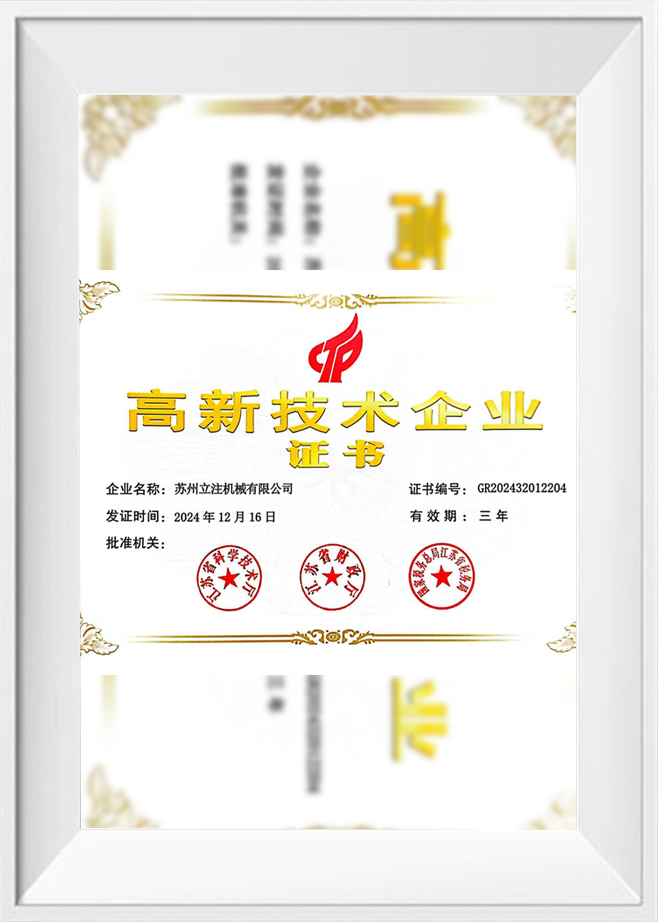
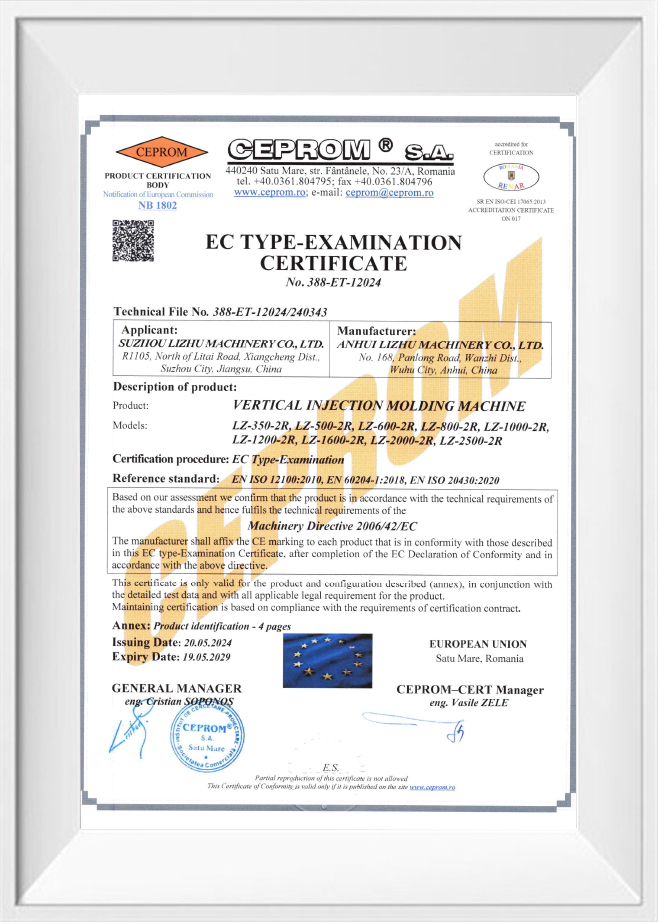
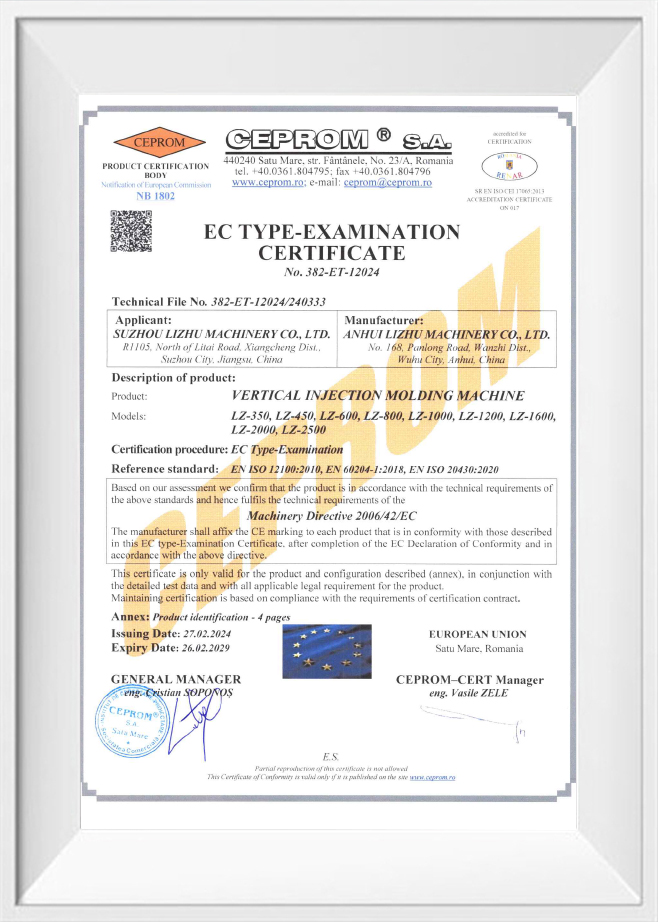
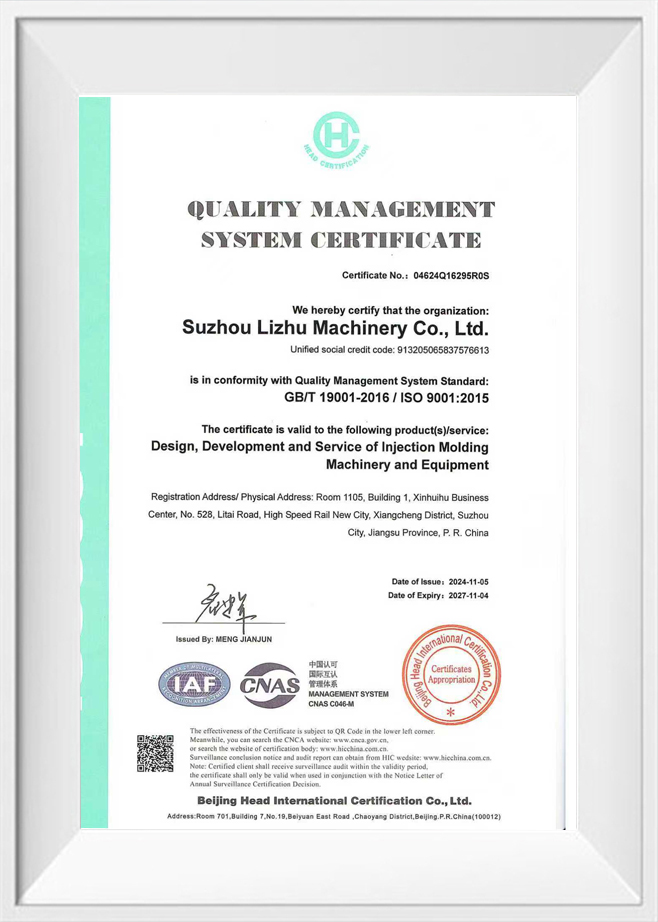
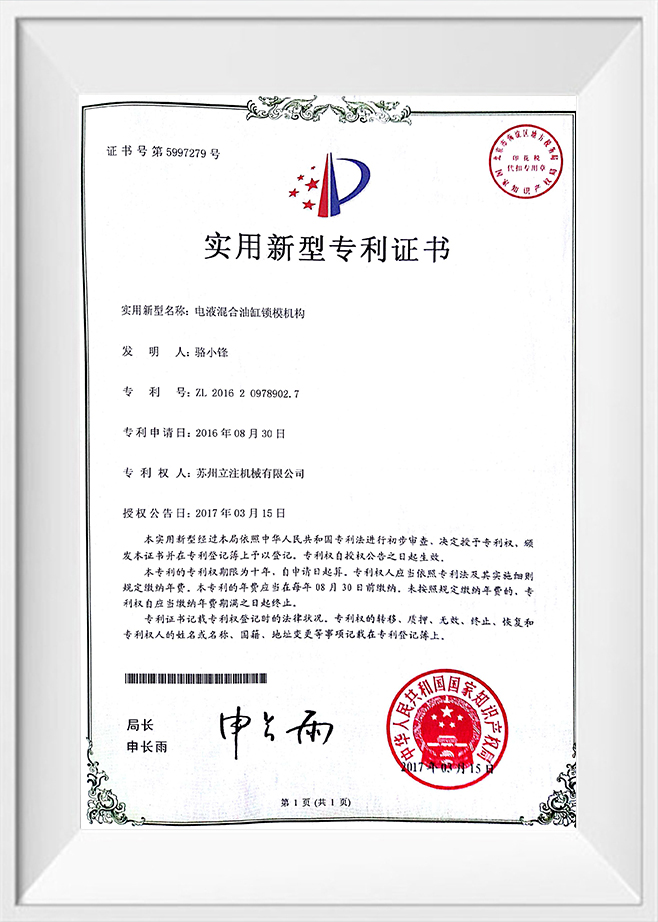
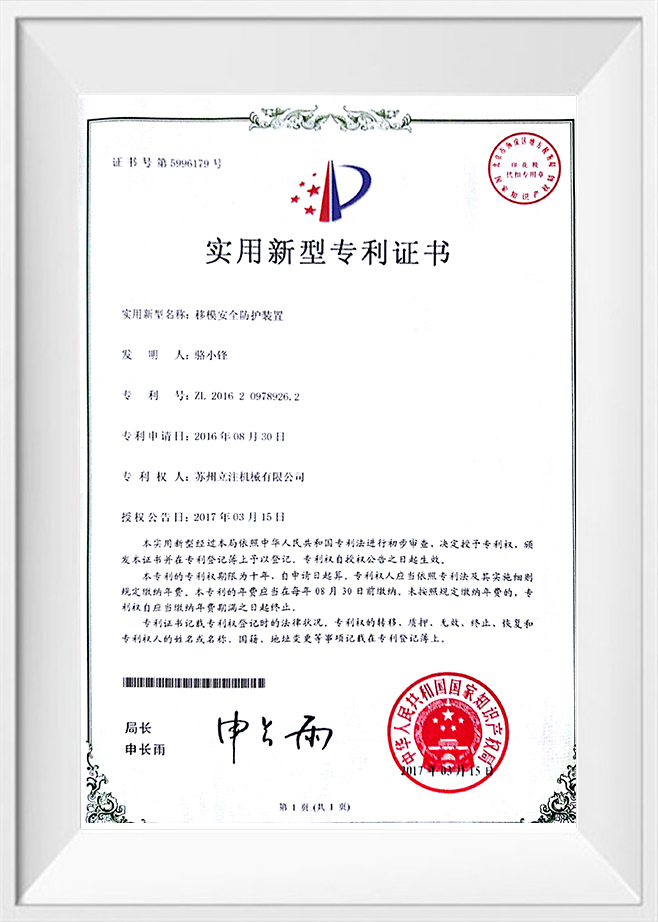
Driven by our commitment to excellence, we have obtained multiple patents and achieved recognition as a national high-tech enterprise. Our products meet international standards and hold certifications like TUV, CE, and UL.
With a strong customer base in China and an extensive sales and service network covering major industrial provinces, we have expanded our presence to over 30 countries in Asia, Europe, and the Americas.
HONORARY CERTIFICATION
LATEST UPDATES
-
Shape the Future of Precision Molding|Meet Lizhu Machinery at Chinaplas 2026
-
How Does Temperature and Pressure Control Affect a Precision Injection Molding Machine?In the realm of high-end manufacturing, the performance of a precision injection molding machine is defined by its ability to maintain absolute consistency across thousands of cycl...
-
Why Is a Precision Injection Molding Machine Essential for High-Accuracy Manufacturing?In modern manufacturing, achieving high precision and consistent quality is a critical factor for success. A Precision Injection Molding Machine plays an indispensable role in prod...
-
What Technical Parameters Should You Evaluate in a Precision Injection Molding Machine?When selecting a precision injection molding machine, the most critical technical parameters to evaluate include clamping force, injection pressure, shot size, injection speed, pla...
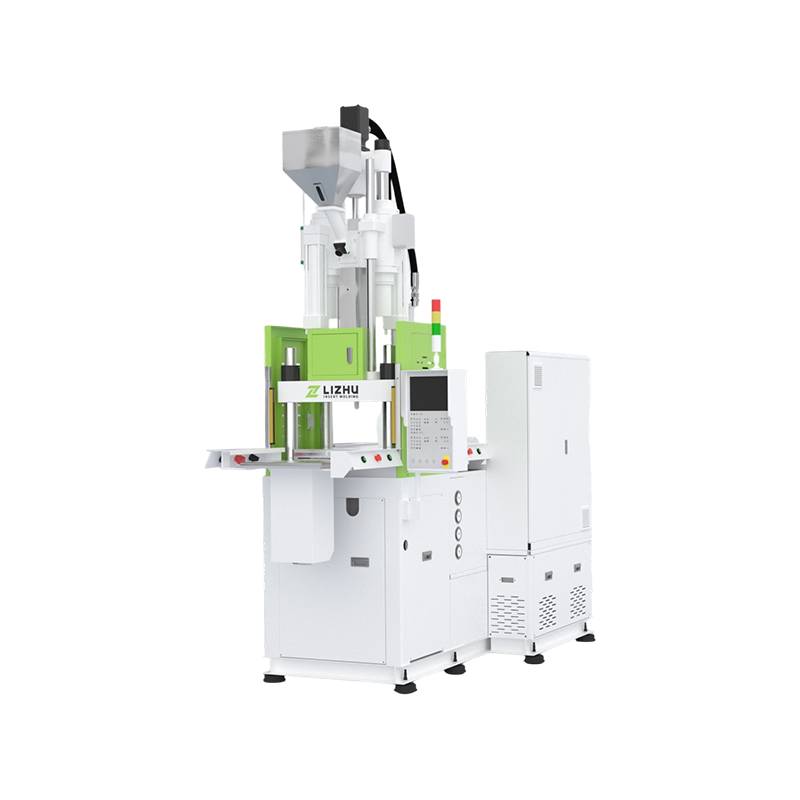
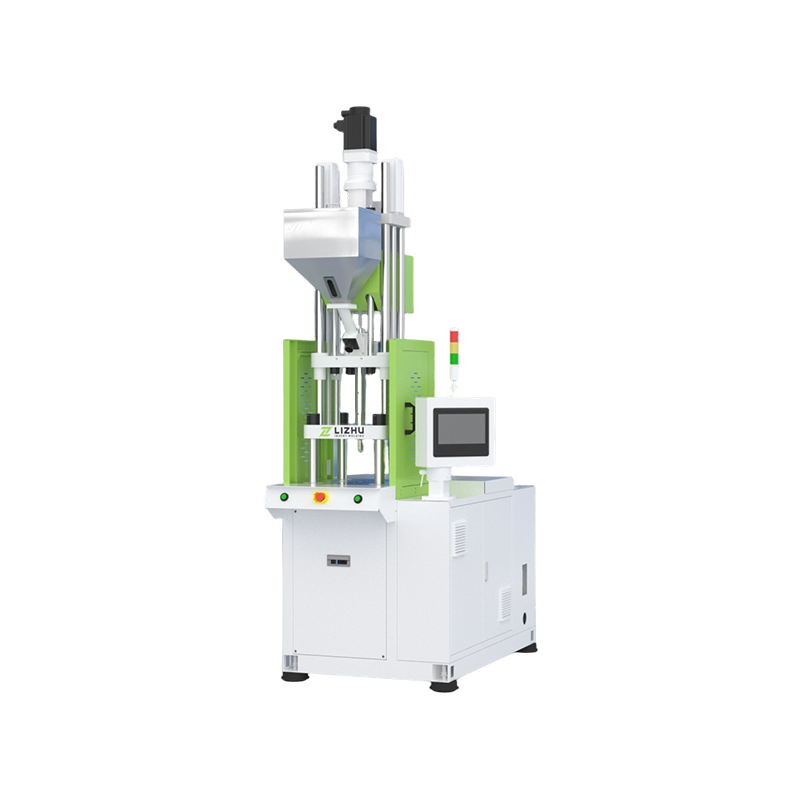
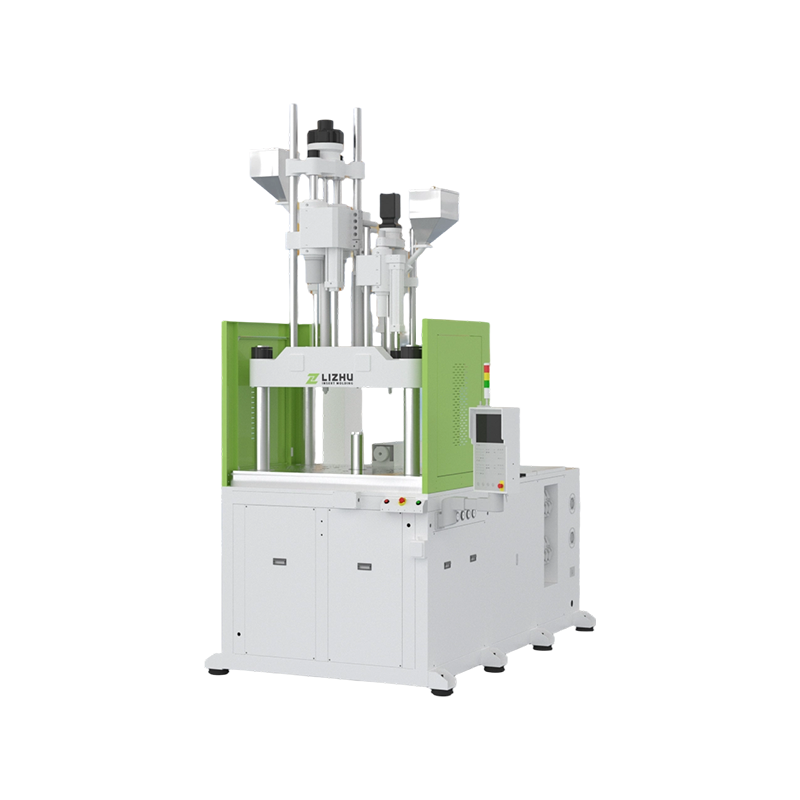
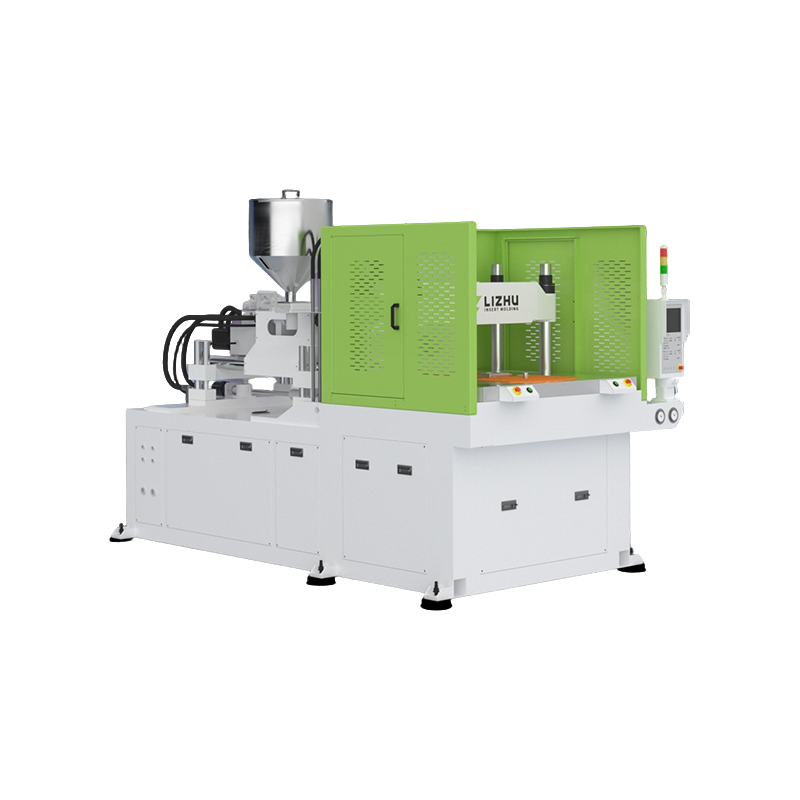
Vertical Hydraulic Press category encompasses machines designed to deliver high precision and efficiency in industrial applications. These presses use hydraulic force to shape or form materials, typically through a controlled vertical movement. They are widely employed in industries like automotive, aerospace, electronics, medical devices, and more, offering versatility in material molding and component shaping.
The Vertical Hydraulic Press series from LIZHU Machinery Co., Ltd. integrates advanced engineering principles, focusing on consistent, high-quality performance. These machines are optimized for applications requiring precise control of pressure, temperature, and timing during the molding process. The vertical orientation allows for easier material loading and removal, maximizing space efficiency in production lines.
Core Features:
-
Precision and Efficiency: With a robust hydraulic system, these presses provide stable and accurate pressure, ensuring uniform results in every cycle.
-
Versatility: Suitable for molding various materials such as plastics, metals, and composites, offering flexibility across diverse industries.
-
Space-Efficient Design: The vertical setup minimizes the required floor space, making them ideal for factories with limited space.
Principle of Operation:
A Vertical Hydraulic Press operates using a hydraulic cylinder that applies force vertically on the material to be molded. The press ensures the material is uniformly shaped under controlled pressure, allowing for the accurate creation of parts. The vertical configuration also enhances the efficiency of material flow and part handling, making the press particularly suitable for high-volume production.
Applications:
-
Automotive Industry: Ideal for producing components like dashboards, door panels, and various automotive parts.
-
Electronics: Used in molding precision parts for electronic devices, such as connectors, switches, and housings.
-
Aerospace: Enables the production of critical parts requiring high precision and strength, including structural components.
-
Medical: Molds specialized components used in medical devices and equipment, ensuring quality and safety.
Comparison with Other Equipment:
Compared to horizontal hydraulic presses, vertical presses are better suited for applications that require minimal floor space and efficient material handling. The vertical configuration is particularly advantageous when dealing with smaller, more intricate parts that require precision molding. Additionally, vertical presses often have faster cycle times due to their ergonomic design, which facilitates quicker material loading and unloading.
Maintenance Tips:
-
Regular Fluid Checks: Hydraulic fluid levels should be monitored regularly to ensure optimal pressure and performance.
-
Preventive Lubrication: Lubricate moving parts such as the press ram and pistons to prevent wear and tear.
-
Cleanliness: Keep the press clean to prevent any debris or contaminants from affecting the molding process and part quality.
-
Routine Inspections: Perform periodic checks on the hydraulic system and electrical components to ensure the press is functioning properly.
By integrating these guidelines, users can extend the operational lifespan of their Vertical Hydraulic Press while maintaining peak performance.
FAQ:
-
What materials can be molded with a Vertical Hydraulic Press?
A Vertical Hydraulic Press is capable of molding a wide variety of materials, including plastics, metals, and composites, making it versatile for different industries. -
How does the vertical configuration improve efficiency?
The vertical orientation reduces the need for excessive floor space and streamlines material loading and unloading, enhancing overall production efficiency. -
What industries use Vertical Hydraulic Presses?
They are primarily used in automotive, electronics, aerospace, and medical industries, where precision molding is required for high-quality components.

-
 +86-(0)512-6598 3406
 -
 +86-138 6210 7502
 -

-
 No.528 Litai Road, Xiangcheng District, Suzhou City, Zhejiang Province, China.
Copyright © 2025 Suzhou Lizhu Machinery Co., Ltd. All Rights Reserved.
China Vertical Hydraulic Press Manufacturers Custom Vertical Hydraulic Press Factory
