中文简体






A screw and barrel for an injection molding machine is the plasticizing unit that melts, mixes, and injects the resin; if it is mismatched to the resin or shot, the machine will show unstable weight, black specks, or short shots even when the clamp and control are in good condition. The barrel is the heated pressure vessel, and the screw is the rotating, reciprocating component with feed, compression, and metering zones. The non-return valve at the screw tip closes during injection and is just as important as the screw flights for repeatability.
Use this article as a purchasing and troubleshooting checklist: define the shot and resin first, verify the injection unit dimensions second, and treat wear as a measured maintenance item rather than a rebuild decision made by sound alone.
What the screw and barrel actually control
The screw and barrel set controls melt quality, shot repeatability, and long-term wear cost, so it should be specified as a system rather than as a spare part. A screw that is too short for the shot may need a long recovery time; a barrel that is too small for the injection unit may force excessive pressure; and a check ring with poor clearance will leak during injection even if the screw flights look acceptable.
| Variable | What it changes | Practical check |
|---|---|---|
| Screw diameter | Shot capacity, recovery rate, and shear | Match to the injection unit and required shot weight, not clamp tonnage alone |
| L/D ratio | Residence time, mixing, and plasticizing stability | Confirm recovery time and heat history; a longer screw is not automatically better |
| Compression ratio | Densification, shear, and melt uniformity | Set by resin family; heat-sensitive compounds often need a lower ratio |
| Check ring and screw tip | Shot repeatability and pressure holding | Inspect sealing clearance and replace before blaming the barrel |
| Barrel liner and base material | Wear resistance and corrosion resistance | Choose the material for the filler and chemistry, not for the catalog label |
| Nozzle and orifice | Pressure drop, stringing, and purging behavior | Match nozzle bore and tip style to the resin and mold sprue |
A common mistake is to change screw diameter without checking injection pressure and shot capacity. A larger screw can raise output, but it may also reduce the available injection pressure and increase residence time. That trade-off matters most on small-shot vertical machines where the screw is already running below its comfortable range.
Match the set to the resin and the shot
Resin behavior decides more of the screw design than the machine brand or tonnage. Unfilled polystyrene, ABS, and polypropylene usually run on general-purpose screws, while glass-filled nylon or PBT needs a wear-resistant barrel and a hardened check ring. PVC and other heat-sensitive compounds need streamlined flow, low compression, and corrosion resistance because stagnant material can degrade and attack the barrel.
- Unfilled commodity resins: use a general-purpose screw and verify shot recovery against cycle time.
- Glass-filled or abrasive compounds: specify a bimetallic barrel, hardened screw tip, and wear-resistant check ring.
- PVC and heat-sensitive resins: use corrosion-resistant materials, low compression, and no dead spots in the flow path.
- High-temperature engineering resins: confirm heater band capacity, thermocouple placement, and temperature uniformity.
- Liquid silicone rubber: do not force LSR through a standard screw and barrel; it normally uses a pump, static mixer, and dedicated feed system.
Shot size should be expressed in grams and in percentage of barrel capacity. Running below roughly 20 percent of capacity can extend residence time, while running above roughly 80 percent can leave insufficient recovery margin. The exact limits depend on the resin and machine, but the percentage check is a fast way to catch a poor screw and barrel match.
Why vertical machines change the specification
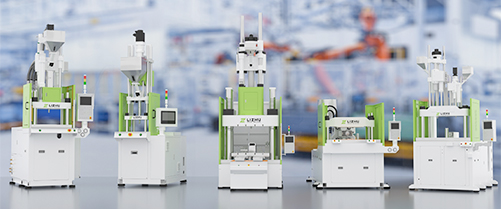
Vertical injection molding machines often run insert molding, small shots, and frequent table movements, so the screw and barrel must recover quickly without over-shearing the melt. A standard vertical machine with a fixed lower table may tolerate longer residence time than a rotary table running short cycles, but the screw still needs enough L/D to plasticize the shot. On a sliding-table machine, the injection unit may pause while the operator loads inserts, so recovery and temperature stability matter more than peak injection speed.
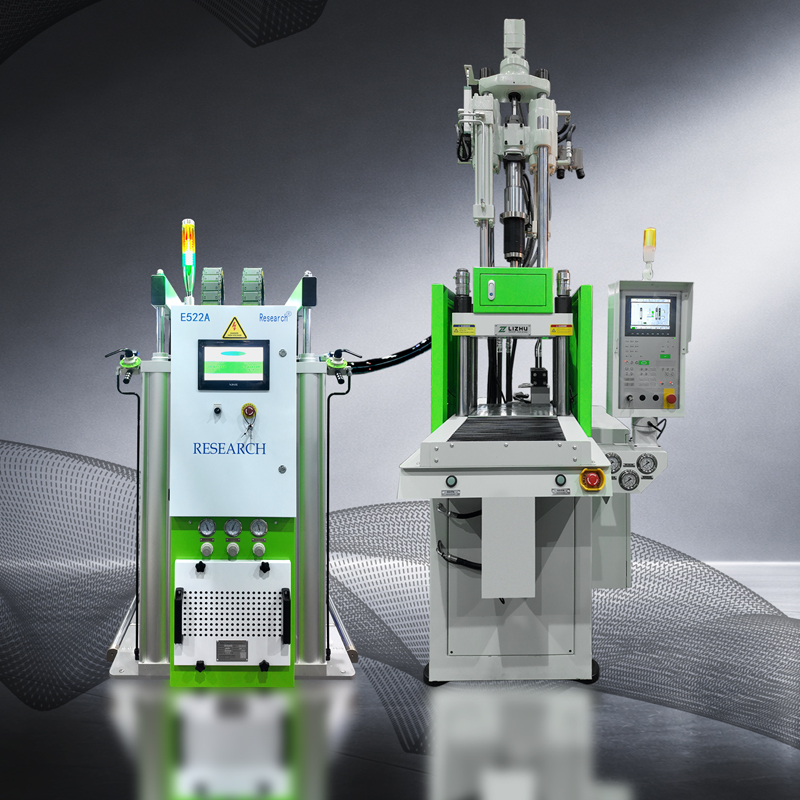
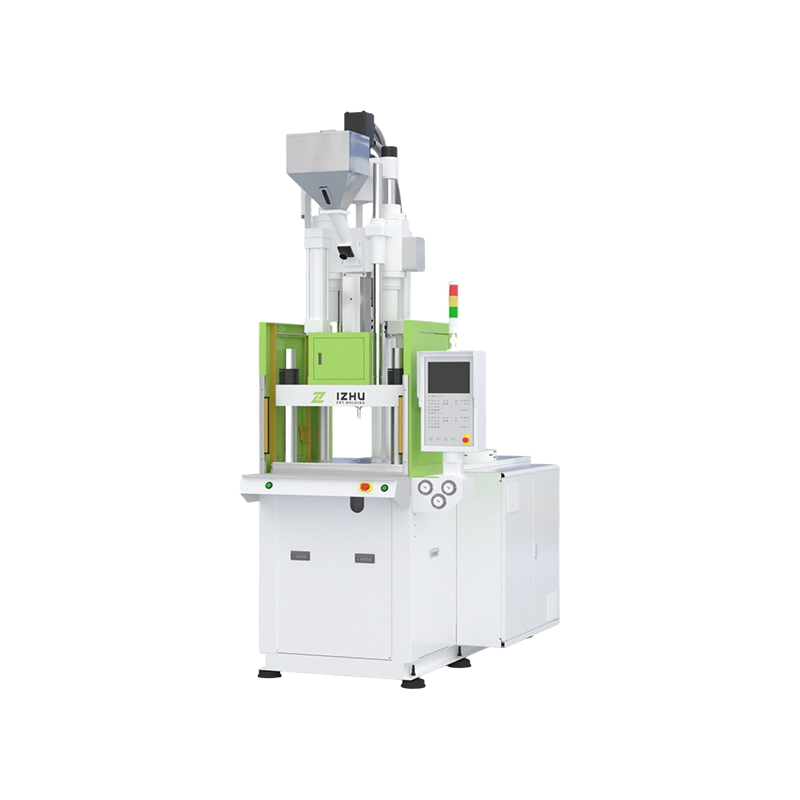 Standard Vertical Injection Molding MachineView this standard vertical model for vertical mold closing and injection, space-saving insert placement, and high-precision alignment in complex parts.View Product →
For custom vertical injection molding machine projects, send the resin, shot weight, insert layout, and cycle target before the screw diameter is fixed. A custom build can add a larger injection unit or a different screw profile, but the barrel flange, nozzle length, and heater zone layout must still fit the clamp and operator access.
Single-sliding and double-sliding vertical machines are common for insert molding because the lower mold half moves out for loading. That loading pause changes the heat history: the screw may sit idle with hot resin, then demand a full shot. A slightly longer screw or a more stable temperature profile can be more useful than a higher nominal injection rate.
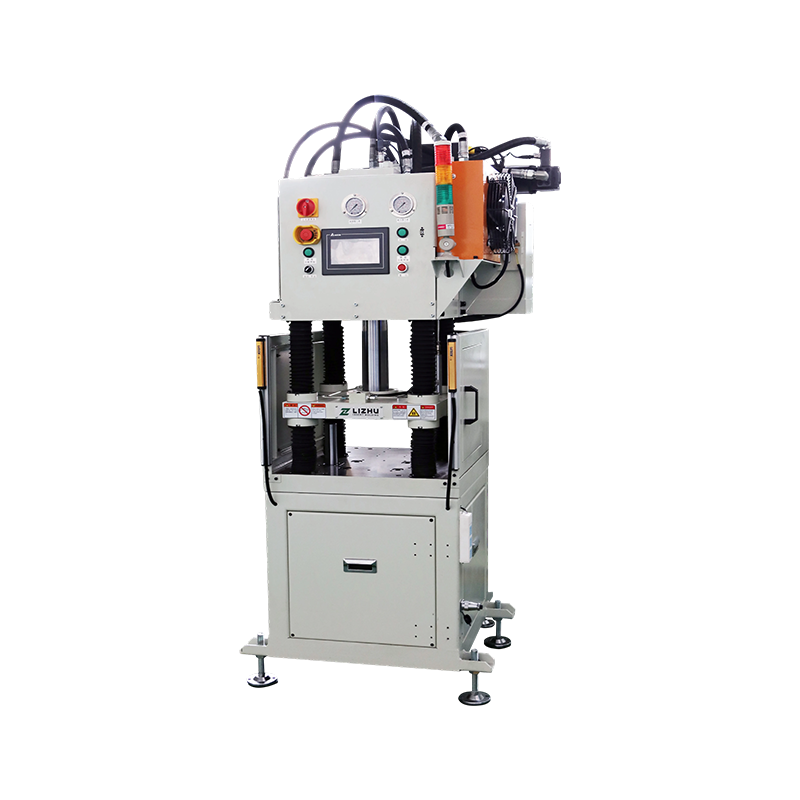
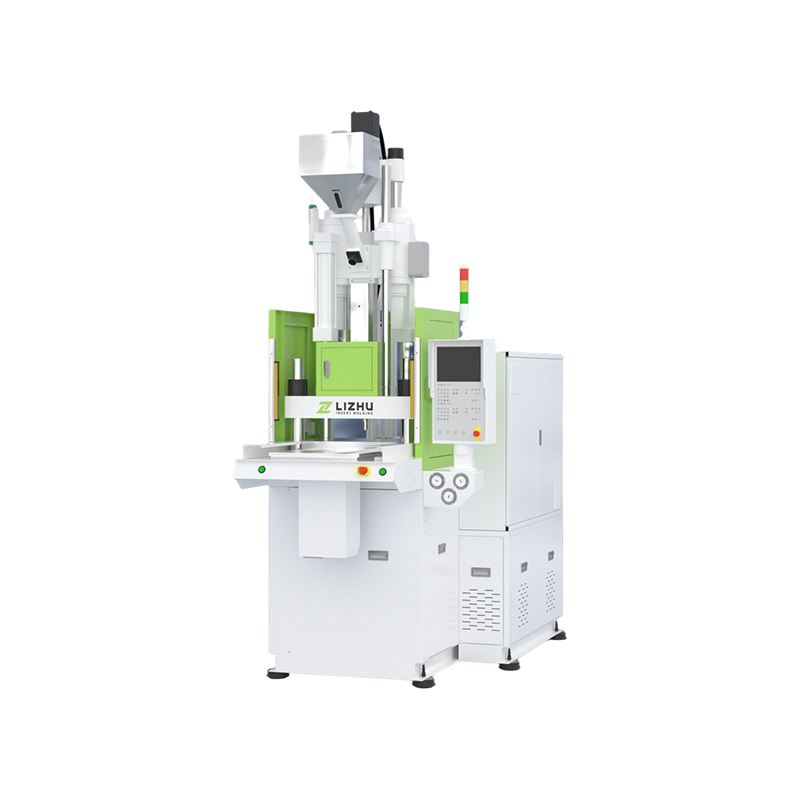 Sliding Vertical Injection Molding MachineSingle- and double-slide vertical machines support insert molding, exposed mold access, robotic loading, and stable cycles for automated medium- to large-volume production.View Product →
Rotary-table vertical machines spread work across stations, so the plasticizing unit may run a short shot every few seconds. In that case, check recovery time, check ring sealing, and screw diameter together. A screw that is oversized for the shot will dwell too long; one that is undersized will delay the table index and increase cycle time.
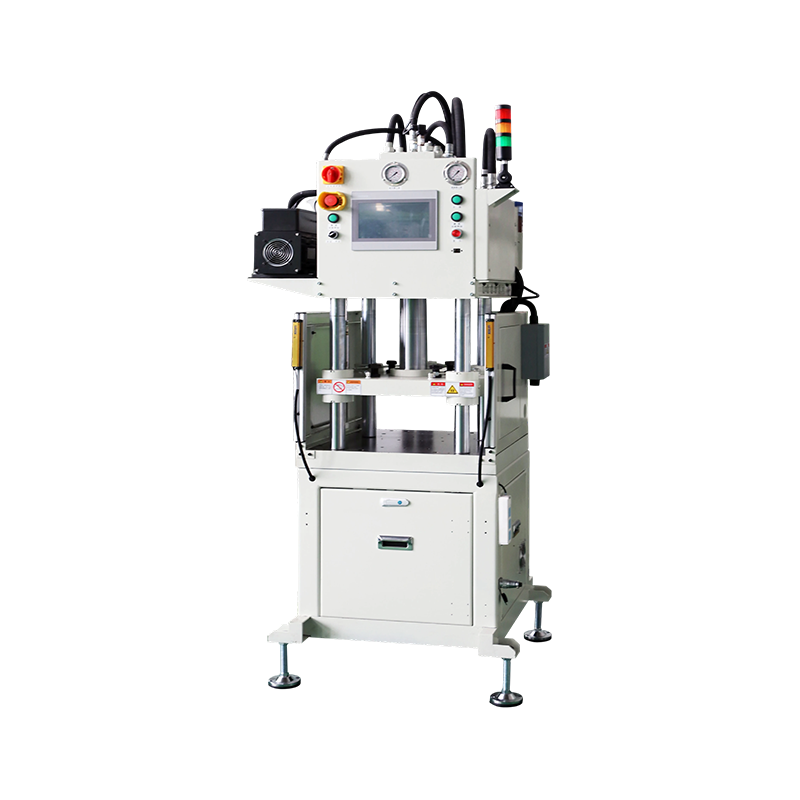
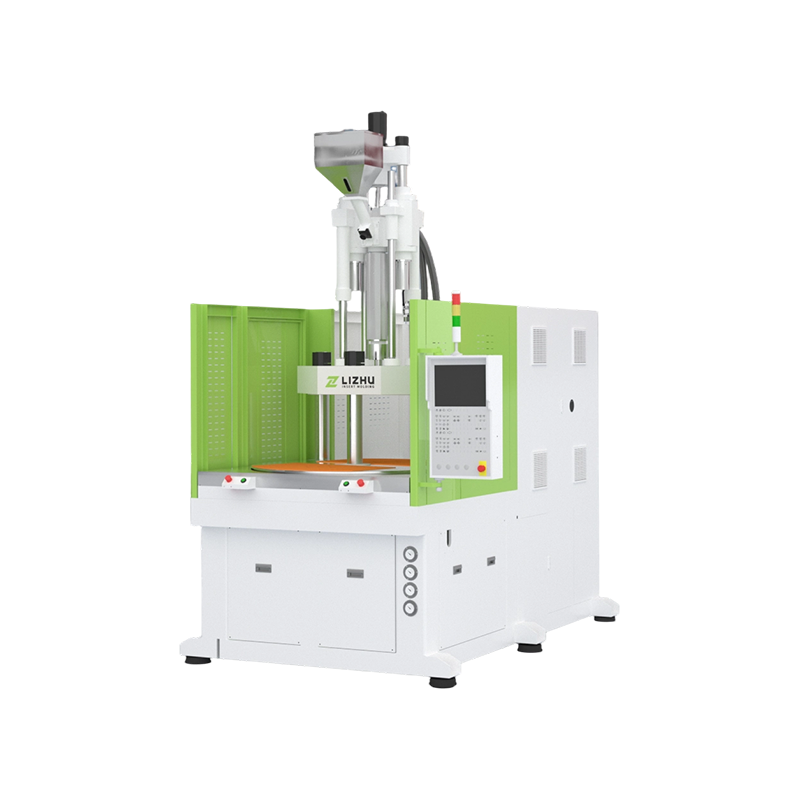 Rotary Table Vertical Injection Molding MachineA vertical injection machine with rotary table design for efficient multi-cavity or complex molds, precision parts, insert molding, and small plastic products.View Product →
The electric vertical injection molding machine line adds another consideration: precise recovery and repeatable injection can expose a worn check ring faster because the control no longer masks the variation. Electric machines still use a screw and barrel, and the same resin, shot, and wear rules apply.
Wear and maintenance: what to inspect
Wear usually appears as process drift before a visible crack, so measure the screw and barrel on a schedule tied to production hours and resin abrasiveness. Start with the check ring and screw tip, because a leaking non-return valve can mimic barrel wear by causing short shots, cushion drift, and inconsistent part weight. Then measure barrel inner diameter at the feed zone, compression zone, and metering zone. Check screw flight outer diameter and root diameter for abrasion, and look for corrosion pitting in the barrel and on the screw surface.
- Record shot weight, cushion position, and peak injection pressure on a new or rebuilt set.
- Inspect the check ring, seat, and screw tip for clearance and sealing marks.
- Measure barrel ID and screw flight OD; compare with the machine builder's wear limit.
- Check heater bands, thermocouples, and temperature recovery after purging.
- Review resin changes, regrind percentage, and drier performance, since moisture and contamination accelerate corrosion and wear.
For abrasive compounds, shorten the inspection interval. For clean unfilled resin, an annual inspection may be enough, but the process data should still be reviewed monthly. If the screw and barrel are near the wear limit, plan replacement before the next high-value production run rather than after scrap appears.
Specification checklist before ordering
Order the screw and barrel by injection unit dimensions and process data, not by machine tonnage alone. Tonnage tells you the clamp size, but the screw and barrel are selected from shot weight, resin, recovery time, and the physical interface between the injection unit and the mold.
- Resin family, filler content, regrind percentage, and drying requirements.
- Shot weight, plasticizing rate, and target cycle time.
- Screw diameter, L/D ratio, compression ratio, and screw profile drawing.
- Barrel length, flange dimensions, nozzle thread, nozzle bore, and heater zone layout.
- Check ring type, screw tip style, and replacement part availability.
- Surface treatment or liner material, especially for glass-filled or corrosive resins.
- Measurement report, hardness record, and dimensional inspection before shipment.
Ask for a drawing that shows the screw, barrel, check ring, and nozzle as an assembly. A set that fits the flange but misses the nozzle length or heater zone position can delay installation even when the screw profile is correct.
Cost trade-offs: nitrided, bimetallic, and tool steel
The lowest purchase price is not always the lowest cost per shot, because wear and corrosion decide how often the set must be rebuilt. Nitrided barrels are common for unfilled resins and moderate production. Bimetallic barrels cost more but usually justify the premium with glass-filled, mineral-filled, or highly abrasive compounds. Tool steel or coated options can help with specific corrosion or wear problems, but they need the right base material and heat treatment.
| Option | Best for | Watch-outs |
|---|---|---|
| Nitrided barrel and screw | Unfilled commodity resins and moderate wear | Limited resistance to glass fiber and aggressive fillers |
| Bimetallic barrel with hardened screw | Glass-filled, mineral-filled, and abrasive compounds | Higher cost; avoid dry running and verify check ring compatibility |
| Tool steel or coated screw | Corrosive resins or specific wear patterns | Confirm corrosion resistance, toughness, and repairability |
A bimetallic barrel is not an automatic upgrade for every job. It is harder and can be more brittle, so proper support, alignment, and warm-up matter. For clean unfilled resin, a well-controlled nitrided barrel may give better value than an over-specified liner.
FAQ
The answers below focus on fit, wear, and replacement decisions that come up most often during a screw and barrel review.
Can I replace only the screw or only the barrel?
Usually no, unless both parts are measured and the remaining part is well within its wear limit. The screw and barrel wear as a pair, and a new screw in a worn barrel can lose clearance and repeatability. Replace the check ring and screw tip at the same time if they are worn.
How do I know a screw and barrel will fit my injection molding machine?
Use the injection unit drawing, not the clamp tonnage. Confirm screw diameter, L/D, barrel length, flange pattern, nozzle thread, nozzle length, heater zone positions, and the coupling or drive interface. A dimensional check before shipment is cheaper than a site retrofit.
Is a bimetallic barrel worth it for glass-filled resin?
Yes, for most glass-filled or mineral-filled compounds, because abrasive fillers wear a nitrided barrel quickly. The gain is longer life and more stable shot weight, but the screw tip, check ring, and nozzle should also be selected for wear resistance.
What causes black specks after a screw and barrel change?
Black specks often come from degraded material trapped in the check ring, nozzle, or barrel dead spots, not always from the new screw. Check purging procedure, temperature profile, screw tip sealing, and any material left in the feed throat or hopper.
Does the screw and barrel affect cycle time?
Yes. Recovery time, melt uniformity, and check ring leakage all affect cycle time and part weight. A screw that is too small may extend recovery, while an oversized screw may increase residence time and require more careful temperature control.
The practical rule is simple: define the resin and shot, verify the injection unit interface, and measure wear before choosing a replacement. A screw and barrel for an injection molding machine is a matched plasticizing system, not a generic spare part, and that distinction is what protects shot repeatability, scrap rate, and maintenance cost over the life of the machine.