中文简体




Injection molding machine power consumption usually lands between 0.3 and 1.5 kWh per kilogram of molded plastic, and drive type, shot weight and idle hours move that figure far more than clamp force alone. Common lifecycle databases apply an average of roughly 1.47 kWh/kg to the injection molding process, while a modern 100-ton all-electric machine can hold about 0.38 kWh/kg on a comparable job. That four-to-one spread is why an energy estimate built on nameplate kilowatts almost always misses.
The working number is simple to build: a 100-ton machine averaging 22 kW on a 30-second cycle uses about 0.18 kWh per shot. Divide by shot weight for specific energy, multiply by your tariff for cost per part, then multiply again by annual volume to see whether a more efficient machine pays for itself.
0.38 kWh/kg
Reported specific energy for a 100-ton all-electric machine on a stable cycle.
1.47 kWh/kg
Average value used for the injection molding process in lifecycle databases.
30% and up
Reduction typically reported when fixed-pump hydraulics give way to servo-driven systems.
Nameplate Power Is Not Running Power
Nameplate kilowatts describe what a machine can draw, not what it draws on your job. A 100-ton machine usually carries 11–15 kW of connected motor power plus 5–8 kW of barrel heating, yet average demand across a stable cycle is often half of that or less, because heating bands switch on and off and the pump only reaches full load during injection and packing.
This is the first place consumption estimates go wrong. Two machines with identical clamp force can differ by a factor of three in kWh per kilogram, and the difference sits almost entirely in how the pump is controlled.
| Drive configuration | Energy behaviour | Where it fits |
|---|---|---|
| Fixed-displacement hydraulic | Motor runs at constant speed; surplus oil returns through the relief valve as heat, so draw stays high even with the mold open. | Low duty cycles, thick sections, simple parts, tight budgets. |
| Servo-hydraulic | Pump speed follows demand; manufacturers commonly report 30–60% lower consumption than fixed-pump machines. | Insert molding, medium volumes, mixed part ranges. |
| All-electric | Servo motors drive each axis directly with no hydraulic losses; lowest energy per part and the tightest repeatability. | Medical, 3C, thin-wall and high-precision work. |
| Hybrid | Electric injection with hydraulic clamp; captures most of the saving at lower capital cost. | Large tonnage, long cycles, general purpose. |
What Drives Consumption During a Cycle
Five variables explain nearly all the variation between machines running the same part: the mass of polymer to be melted, the pressure needed to fill and pack, the efficiency of the drive, the heat escaping the barrel, and the time the machine spends waiting. Only the first two are fixed by part design.
Shot weight sets the baseline
Energy scales with the amount of polymer melted and the pressure used to move it, so shot weight and wall thickness are the strongest predictors of kWh per cycle. A heavy part on a short cycle is efficient by nature; a small mold in a large machine is not, because the barrel still heats a full capacity of resin while the clamp closes a tonne-sized platen.
The pump and drive decide how much of that baseline you pay
How pressure is delivered matters more than how much pressure is available. A fixed-pump motor turns at constant speed, so oil that the shot does not need is throttled away as heat; a servo system matches flow to each phase. The mechanism behind that shift is set out in the servo drive upgrade explained for vertical machines, and it remains the largest single lever in most molding shops.
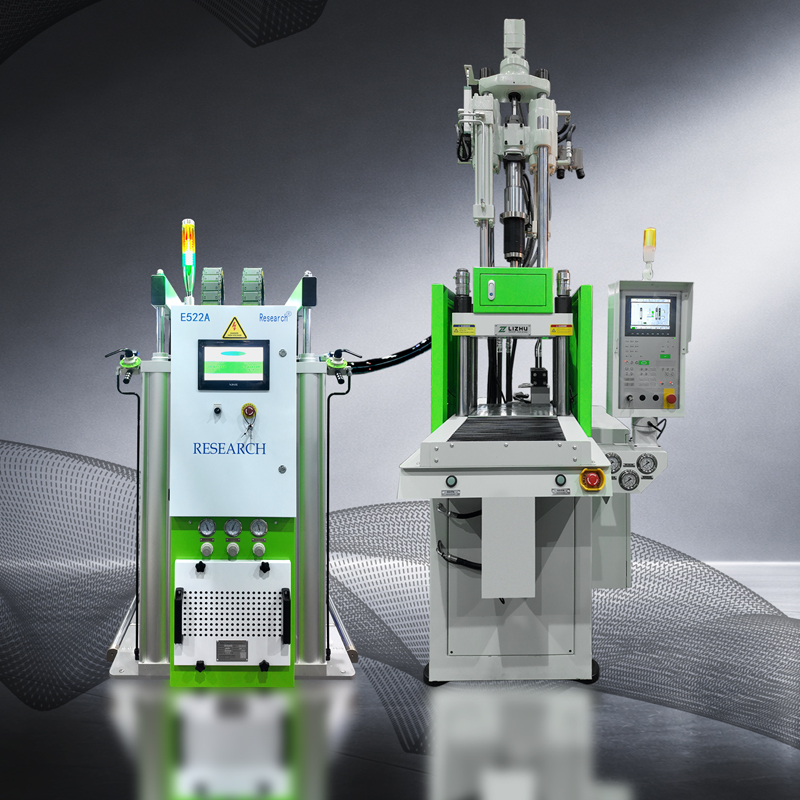
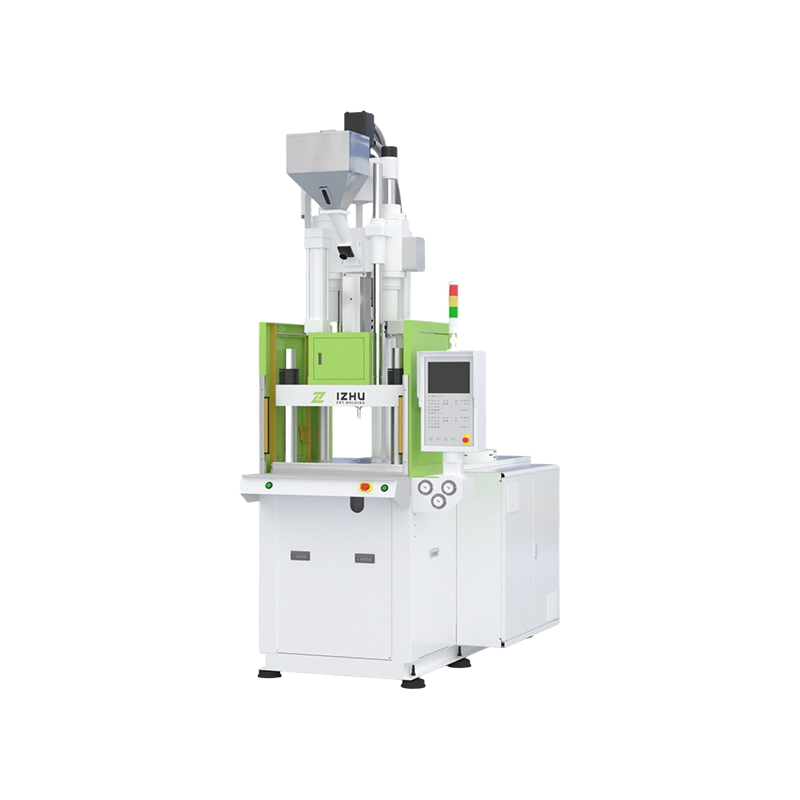
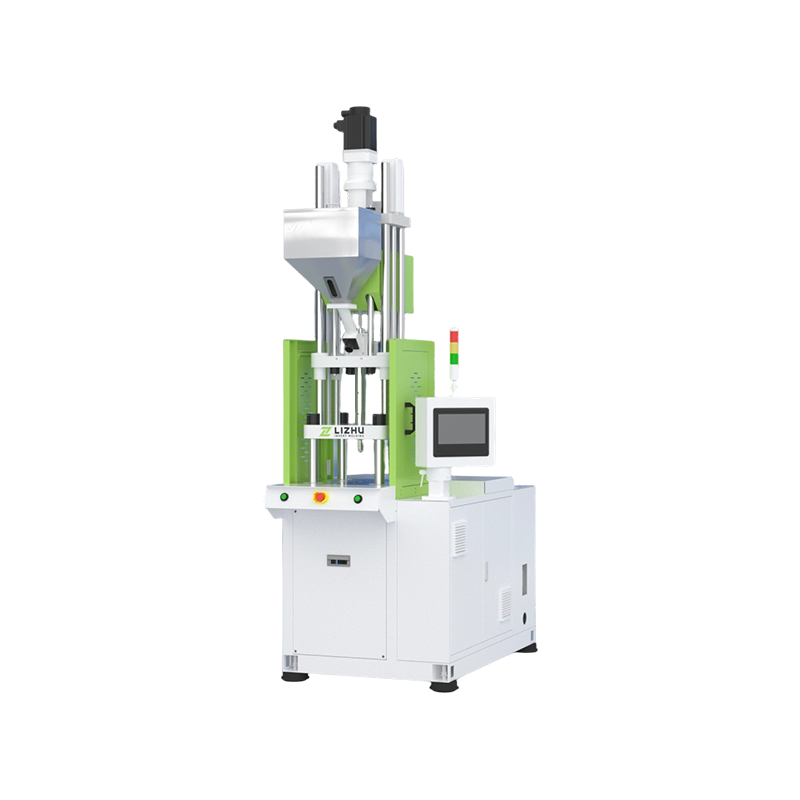 Electric Vertical Injection Molding Machine for Precision ProductionAn all-electric vertical machine suited to precision and insert molding, where repeatable, hydraulic-free operation supports medical and electronics production.View Product →
All-electric designs push the same logic further by removing the hydraulic circuit altogether, which is why they dominate medical and 3C production where energy use and repeatability are both audited.
Barrel heating is a fixed overhead, not a fixed cost
Heating bands take a meaningful share of total draw, and much of that heat leaves through the barrel surface instead of entering the resin. Insulating blankets are inexpensive and reversible, and often recover 20–40% of heating energy, provided you add a check for trapped heat near the feed throat.
Idle time is the biggest avoidable loss
A powered machine that is not producing still draws power, and idle hours often cost more than the cycle itself. Hydraulic machines keep circulating oil at pressure between shots, during operator breaks and across overnight standby, so shutting down, using an energy-saving standby mode and grouping jobs into longer runs usually returns more than any hardware purchase.
Cooling and settings close the gap
Chillers and mold temperature controllers add to the electricity bill without appearing on the machine's own meter. Optimized cooling, realistic mold temperature and a cycle trimmed of unnecessary dwell reduce both machine and chiller demand, so they should always be counted together.
How to Calculate kWh and Cost per Part
Measure rather than estimate from the nameplate: put a logger or submeter on the machine, capture at least 50 consecutive cycles, and calculate from average draw rather than peak.
- Energy per shot (kWh) = average power (kW) × cycle time (h).
- Specific energy (kWh/kg) = energy per shot ÷ shot weight (kg).
- Energy cost per part = energy per shot × your tariff.
- Annual energy = energy per shot × shots per year + standby draw × idle hours.
| Item | Value | How it is obtained |
|---|---|---|
| Average power draw | 22 kW | Submeter over 50 consecutive cycles |
| Cycle time | 30 s (0.0083 h) | Machine timer, steady state |
| Energy per shot | 0.18 kWh | 22 × 0.0083 |
| Shot weight | 0.15 kg | Part plus runner |
| Specific energy | 1.2 kWh/kg | 0.18 ÷ 0.15 |
| Energy cost per part | USD 0.022 | 0.18 × 0.12 |
Repeat the exercise for standby. A machine idling 10 hours a week at 8 kW consumes 80 kWh weekly without producing a single part, which is often several percent of the productive total and the easiest slice to remove.
Practical Ways to Cut Consumption
The cheapest measures come first, and most plants find 15–30% without buying new equipment.
- Right-size the machine. Move small molds off large platens; an oversized barrel and clamp waste energy on every shot.
- Cut idle and standby hours. Shut down during breaks, enable standby, and group low-volume jobs into single runs.
- Insulate the barrel. Low cost, reversible, and quick to recover on machines running above 200°C.
- Optimize cooling. Check chiller set points, flow rates and mold circuits; oversized chillers run inefficiently at part load.
- Trim the cycle where quality allows. Dwell, hold pressure and clamp open time all draw power for as long as they last.
- Meter first, buy second. Submetering three or four representative machines tells you where a capital decision actually pays.
- Choose the drive for the duty cycle. Servo or all-electric pays back fastest on short cycles, high volumes and precision parts.
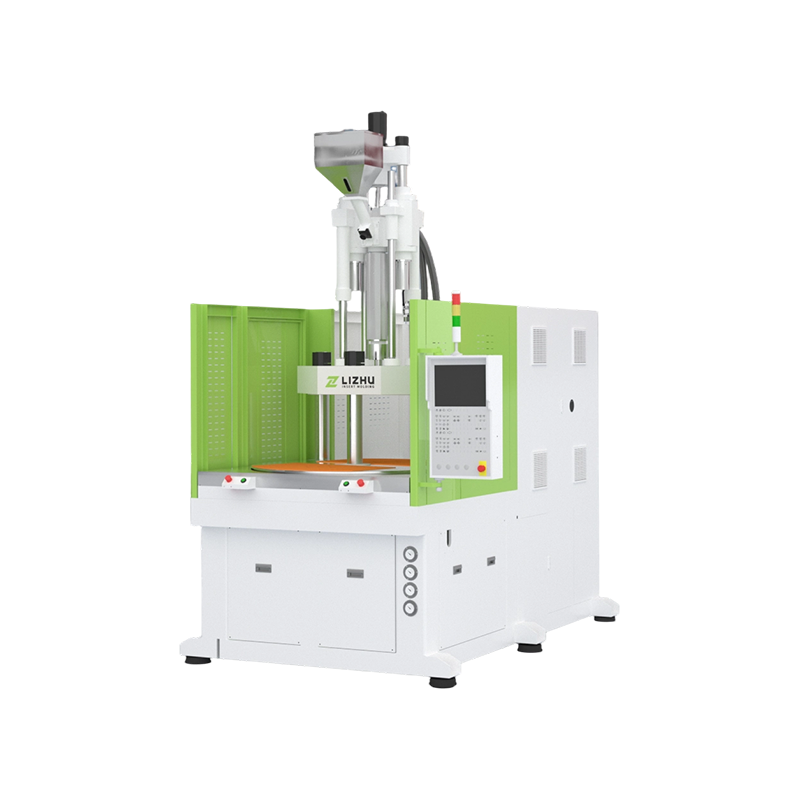 Rotary Table Vertical Injection Molding MachineA vertical molding machine with rotary table design that supports multi-cavity and insert work by enabling loading alongside molding for efficient multi-station production.View Product →
Multi-station configurations are an underrated energy measure, because overlapping work shortens the interval in which the machine is powered, clamped and waiting. A rotary table lets loading and unloading happen while another station molds, which raises output per hour of connected load rather than lowering draw per shot.
Why Vertical Machines Have a Different Energy Profile
Vertical machines consume a similar amount per kilogram at equal clamp force and shot weight, but their energy profile is shaped by how the operator interacts with the mold. With the clamp moving vertically and the lower platen at working height, inserts are placed by hand or robot at the open mold, and the seconds spent loading sit inside the cycle as fully powered idle time.
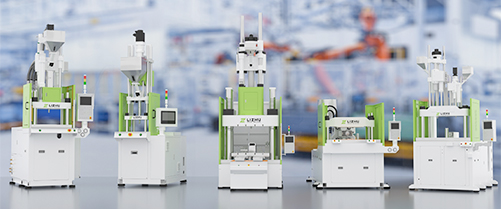
That single characteristic explains most of the difference between a well-run vertical cell and a wasteful one. The practical answers are a sliding table, a rotary table or an automated loader, all of which keep the machine productive while parts and inserts are handled. The range itself is broad: standard, single and double sliding, rotary, all-electric, multi-color and custom frames up to 2,000 tons, which you can review across the vertical injection molding machine range before matching a frame to your part.
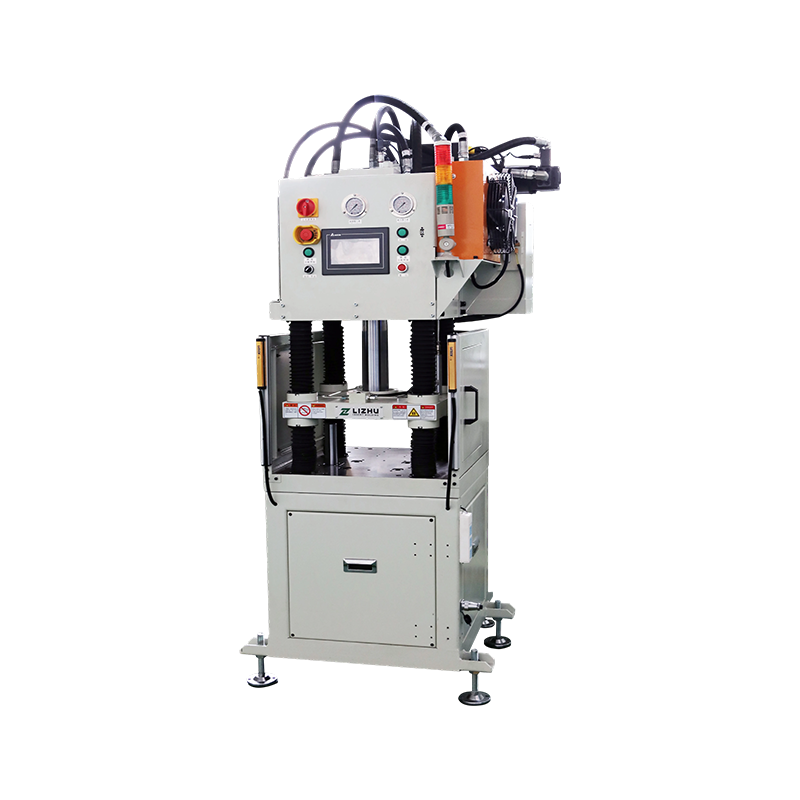
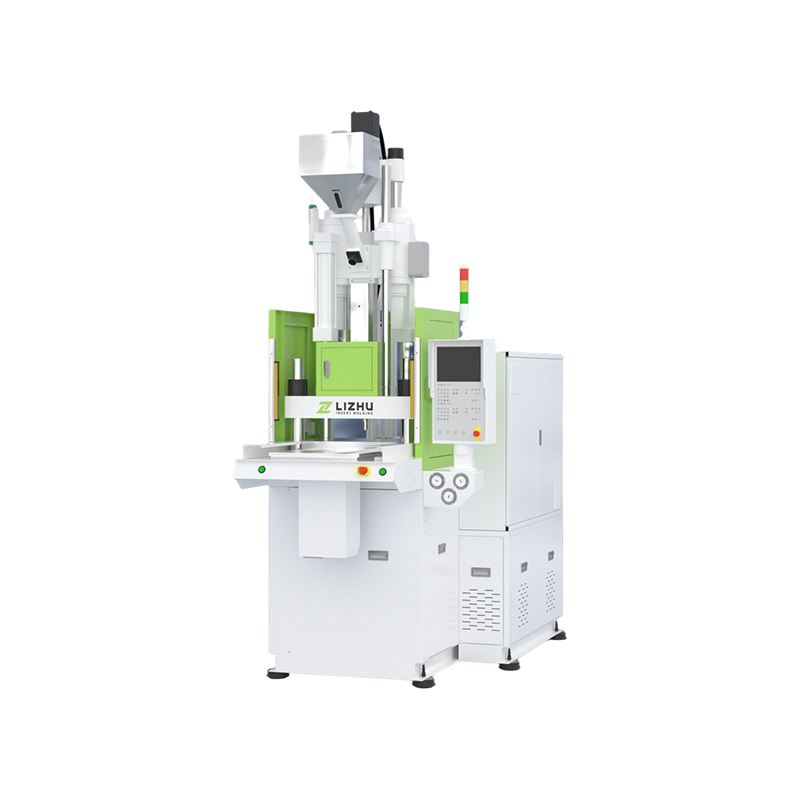 Single Sliding Vertical Injection Molding MachineA vertical injection molding machine with a single sliding lower mold, suited to insert molding where loading can happen while the clamp remains closed.View Product →
For insert-heavy work, a single sliding table is usually the shortest payback route: the mold slides out for loading while the clamp stays closed on the other half, converting operator time from powered waiting into parallel work. Where parts need multiple colors or a second material, multi-color frames remove a whole secondary molding pass and its associated energy.
What to Check Before You Buy
Ask for specific energy at your part, not a generic efficiency claim. Any supplier can quote motor and heating kilowatts; far fewer can quote kWh/kg on a comparable mold, and that is the figure that determines your operating cost.
- Specific energy in kWh/kg measured on a part close to yours in weight and wall thickness.
- A breakdown of connected load: motor, heating, servo drives, controls.
- Standby draw and what the machine does automatically when the mold is open.
- Whether quoted figures include the chiller and temperature controller.
- Clamp force and shot capacity matched to the mold, with realistic headroom rather than a comfort margin.
- Payback arithmetic on your own hours and tariff, not the supplier's.
A worked payback keeps the decision honest. If a 22 kW machine runs 6,000 hours a year and a drive change cuts consumption by 30%, the saving is about 39,600 kWh, roughly USD 4,750 per machine per year at USD 0.12/kWh, before any gain from shorter cycles or lower scrap.
Frequently Asked Questions
How many kW does an injection molding machine use?
A 100-ton machine typically has 11–15 kW of connected motor power plus 5–8 kW of heating, but average draw during production is commonly 15–25 kW, and standby demand drops well below that. Larger tonnage raises the range quickly, so always ask for average draw at your cycle.
Does higher clamp force always mean higher power consumption?
No. Clamp force raises the ceiling, but consumption per part is driven mainly by how much polymer is melted and how efficiently the drive delivers pressure. An oversized machine running a small mold wastes energy in heating and in moving mass it does not need.
How much energy does an idle machine consume?
Enough to matter. Fixed-pump hydraulics keep oil circulating at pressure whenever the machine is powered, so a machine idling a few hours a day can add several percent to the annual bill without producing anything.
Is an all-electric machine always the lowest-energy choice?
Per part, usually yes, and by a wide margin on short cycles. On long cycles, thick sections or low volumes, a servo-hydraulic machine can deliver most of the saving at a lower capital cost, so the duty cycle should decide rather than the label.
Do vertical machines use more power than horizontal ones?
Not at equal clamp force and shot weight. The difference appears in handling: manual insert loading extends powered idle time, which is why sliding tables, rotary tables and automated loading change the energy picture more than the machine orientation itself.