中文简体
中文简体



The answer to how much is an injection molding machine spans a broad range: a small, benchtop manual machine for prototyping may cost as little as $5,000 to $15,000, while a large-tonnage, high-speed industrial machine for high-volume automotive parts can exceed $1,000,000. For a typical mid-range hydraulic machine with a clamping force between 100 and 300 tons, the price generally falls between $30,000 and $120,000 when purchased new. According to the Plastics Industry Association (PLASTICS), the total cost of an injection molding cell—including the machine, auxiliary equipment, installation, and initial mold—represents a significant capital investment that must be carefully evaluated against the expected production volume and part revenue. Understanding the factors that answer how much is an injection molding machine involves examining clamping force, machine type, brand, control features, and the distinction between new and used equipment.
What Determines the Price of an Injection Molding Machine?
The single most influential factor in the price of an injection molding machine is its clamping force, measured in tons of force, which directly correlates with the size and complexity of the parts the machine can produce. Clamping force is the pressure the machine uses to keep the two halves of the mold closed against the injection pressure of the molten plastic. A machine with a higher clamping tonnage must have a heavier frame, larger platens, a more powerful hydraulic system or servo motors, and a larger injection unit, all of which increase material and manufacturing costs. As a general industry rule, a new hydraulic machine with a clamping force of around 100 tons costs between $25,000 and $50,000, while a 500-ton machine typically sells for $100,000 to $250,000. At the upper end, a 2,000-ton machine capable of molding large automotive bumpers or pallets can cost $500,000 to over $1,000,000, depending on the brand and specific configuration. These figures are drawn from manufacturer price lists and aggregated industry data from injection molding equipment suppliers. The second major price determinant is the type of drive system: all-electric machines command a premium of 20% to 50% over comparable hydraulic machines due to their precision, energy efficiency, and reduced maintenance requirements. Additional factors that add cost include closed-loop process control, multi-material injection capability, high-speed injection rates, and specialized screw and barrel materials for processing abrasive or corrosive resins. When evaluating how much is an injection molding machine, it is important to specify these features because a base-model machine and a fully optioned machine of the same tonnage can differ in price by a factor of two or more.
Price Comparison by Machine Type: Hydraulic, Electric, and Hybrid
The drive technology of an injection molding machine—hydraulic, all-electric, or hybrid—significantly impacts both the purchase price and the lifetime operating cost, with all-electric machines having the highest upfront cost but the lowest energy consumption and maintenance requirements. The table below compares typical price ranges for each type at common tonnage levels.
| Machine Type | 100-Ton Price Range (New) | 300-Ton Price Range (New) | 500-Ton Price Range (New) | Key Advantages |
|---|---|---|---|---|
| Hydraulic | $25,000–$50,000 | $60,000–$100,000 | $100,000–$200,000 | Lower initial cost; proven durability; good for thick-walled parts with long hold times |
| All-Electric | $45,000–$80,000 | $90,000–$160,000 | $160,000–$350,000 | Up to 70% energy savings; faster cycles; precision repeatability; cleanroom compatible |
| Hybrid | $35,000–$65,000 | $75,000–$130,000 | $130,000–$270,000 | Combines hydraulic power for clamp with electric precision for injection; good balance of cost and efficiency |
Beyond the Machine: Auxiliary Equipment, Installation, and Tooling Costs
The purchase price of the injection molding machine itself typically represents only 50% to 60% of the total capital required to bring a new molding cell into production, with the remainder going to auxiliary equipment, installation, and the mold itself. A complete injection molding cell requires a material drying system, a mold temperature controller, a granulator or recycling system, a robot or part-removal automation, and a conveyor system. For a 200-ton machine, these auxiliary items can add $30,000 to $80,000 to the total project cost. Installation and rigging, including electrical connections, water lines, and anchoring, typically cost an additional $10,000 to $25,000. The single largest associated cost, however, is the mold tool. A production mold for a moderately complex part can cost between $10,000 and $100,000, and a high-cavitation mold for a high-volume packaging closure can exceed $300,000. When calculating how much is an injection molding machine as part of a complete production line, the mold cost must be factored in because it is inseparable from the machine's ability to produce parts. According to a survey by the Manufacturers Association for Plastics Processors (MAPP), the average total investment for a single new molding cell, including the machine, auxiliary equipment, and one mold, ranges from $150,000 for a simple 100-ton cell to over $1.5 million for a large-tonnage, highly automated cell.
New vs. Used Injection Molding Machines: Cost Comparison
A used injection molding machine can cost 40% to 70% less than an equivalent new machine, making it an attractive option for startups and for applications where the latest precision and energy efficiency are not critical requirements. A well-maintained hydraulic machine from a reputable manufacturer, such as a 200-ton press that originally sold for $80,000, might be available on the used market for $25,000 to $40,000 depending on its age, condition, and included accessories. However, purchasing a used machine carries risks that can substantially increase the true cost. Worn screw and barrel assemblies, leaking hydraulic hoses, outdated control systems, and fatigue damage to the clamping unit can require repairs costing $10,000 to $50,000 or more. A thorough inspection by a qualified service technician is essential before buying a used machine, and the machine's service history and the availability of replacement parts should be verified. The auction market for used machinery is particularly active, with industrial auctioneers regularly selling injection molding machines at 30% to 60% of their original price. When comparing how much is an injection molding machine new versus used, the lower upfront cost must be balanced against the higher risk of unplanned downtime and the potentially shorter remaining service life.
Operating Costs and Return on Investment
The total cost of ownership over a 10- to 15-year lifespan often exceeds the purchase price by a factor of three to five, because energy, maintenance, labor, and facility costs accumulate continuously while the machine is in operation. An all-electric machine that costs $50,000 more than a comparable hydraulic model can recover that premium through energy savings alone within 2 to 4 years, based on typical industrial electricity rates and a two-shift production schedule. A study by the Plastics Technology Center documented that a 150-ton all-electric machine consumed approximately 0.4 kilowatt-hours per kilogram of material processed, compared to 0.9 to 1.2 kWh/kg for a conventional hydraulic machine, representing a 50% to 65% reduction in energy usage. Maintenance costs follow a similar pattern, with hydraulic machines requiring regular oil changes, filter replacements, and eventual pump and valve rebuilds, while electric machines primarily require bearing lubrication and occasional servo drive service. When evaluating how much is an injection molding machine in the context of a business plan, the focus should be on the cost per part produced, not the machine price alone, because a more expensive machine that cycles faster, produces less scrap, and has lower energy and maintenance costs will often deliver a superior return on investment.
Frequently Asked Questions About Injection Molding Machine Costs
How much is a small injection molding machine for prototyping or desktop use?
A small, benchtop manual or pneumatic injection molding machine suitable for prototyping and low-volume production typically costs between $5,000 and $15,000 new. These machines have clamping forces of 5 to 20 tons and can produce small parts from aluminum or 3D-printed molds. They are popular in educational settings, makerspaces, and for entrepreneurs testing a product before investing in full-scale production.
What is the price range for a vertical injection molding machine?
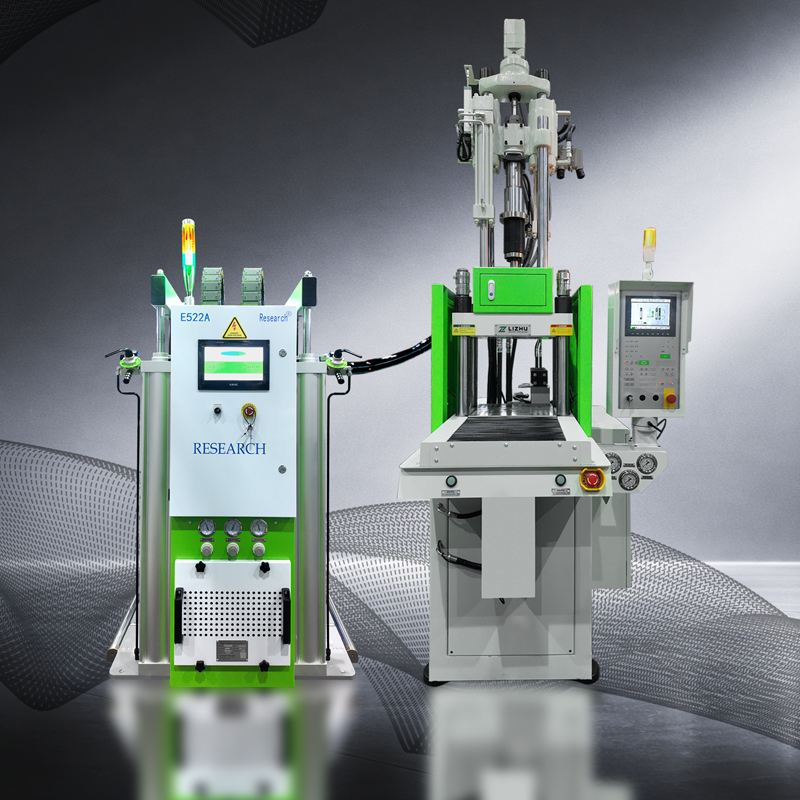
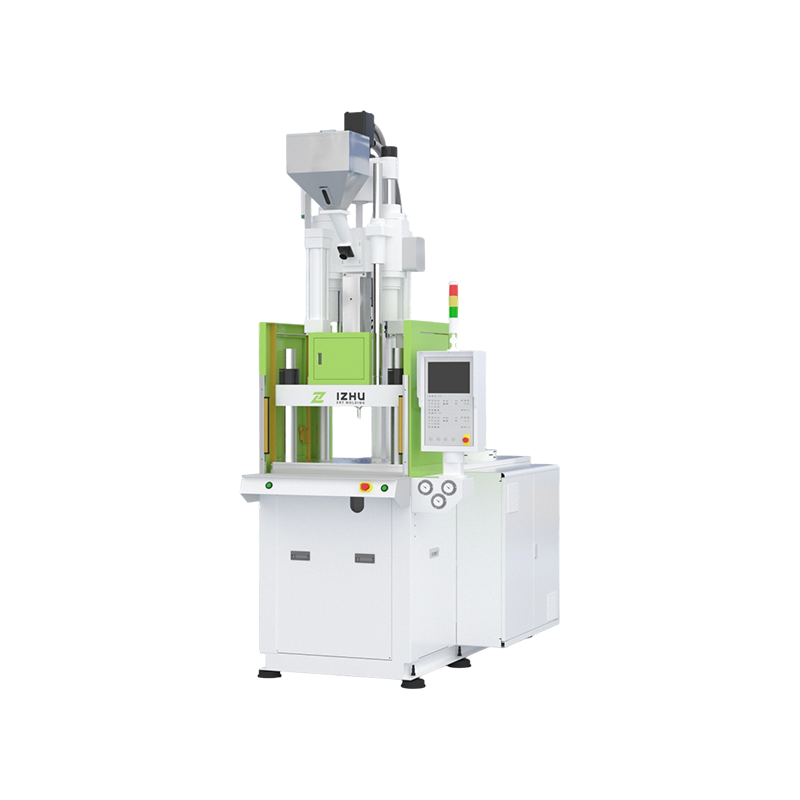
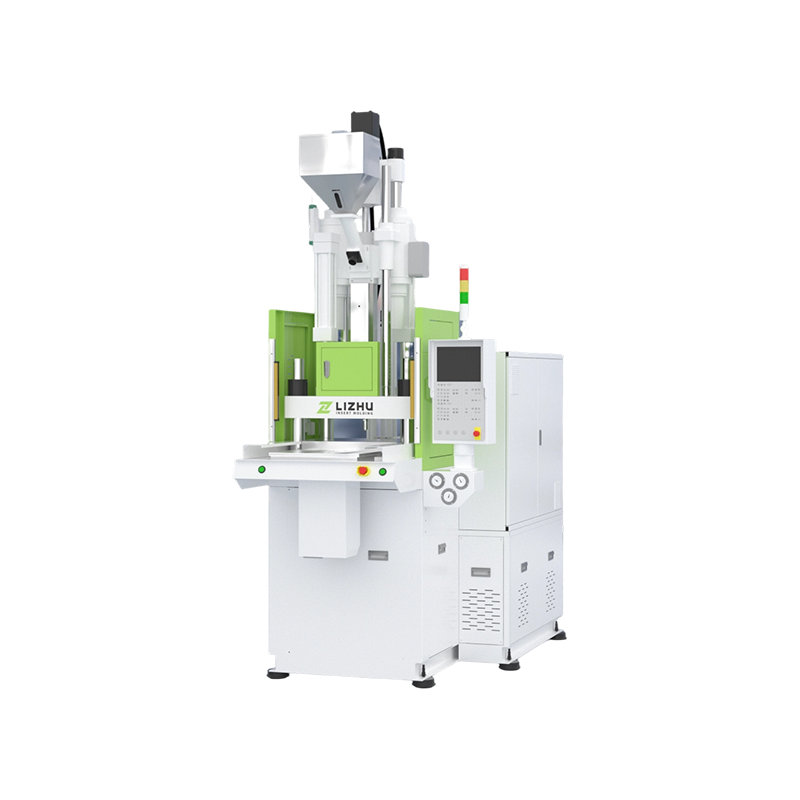
Vertical injection molding machines, which are used for insert molding and overmolding where the mold opens vertically, range from approximately $20,000 for a 20-ton machine to $150,000 or more for a 300-ton machine. The price is comparable to horizontal machines of similar tonnage, but the specialized rotary or shuttle tables that many vertical machines incorporate add to the cost.
Can I lease or finance an injection molding machine?
Yes, most equipment manufacturers and distributors offer leasing and financing options. A typical lease structure spreads the cost of the machine over 36 to 60 months, with monthly payments calculated as a percentage of the equipment cost. This allows processors to acquire a machine with limited initial capital and to treat the lease payments as an operating expense for tax purposes. Leasing also provides a path to upgrading equipment at the end of the lease term.
How much does it cost to ship and install an injection molding machine?
Shipping and rigging costs depend on the machine's weight and the distance from the manufacturer or seller. For a 100-ton machine weighing approximately 4,000 to 6,000 pounds, domestic shipping, unloading, and positioning typically costs $2,000 to $5,000. A large 1,000-ton machine weighing over 50,000 pounds can cost $15,000 to $30,000 to transport and install, including the crane rental required for placement.
The question of how much is an injection molding machine cannot be answered with a single number, because the price depends on clamping force, drive technology, brand, and the level of automation and auxiliary equipment included. A comprehensive investment analysis must consider not only the purchase price but also installation, tooling, energy, maintenance, and the expected production output over the machine's life. By understanding the factors that drive machine cost, plastics processors can make informed purchasing decisions that balance initial capital outlay with long-term profitability.