 中文简体
中文简体
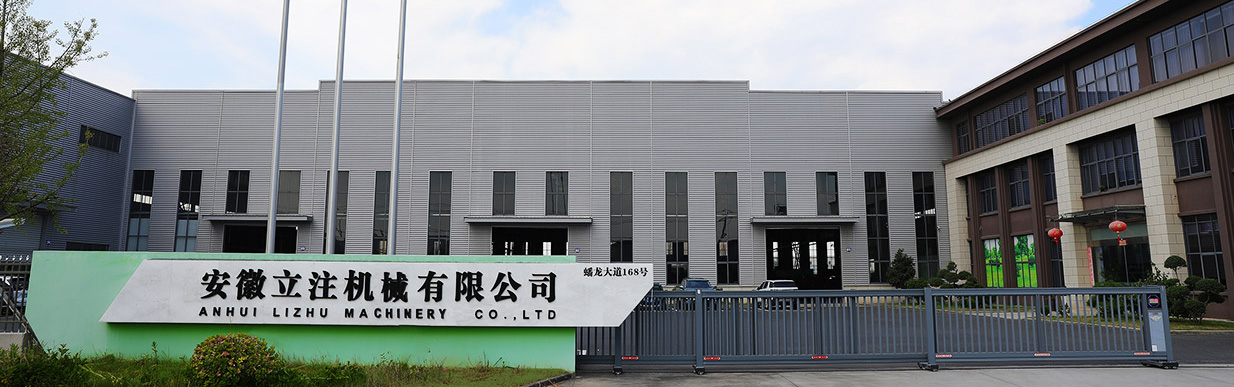
LIZHU Machinery Co., Ltd. was founded in 2011, is a leading company in high-speed precision injection molding...
View More
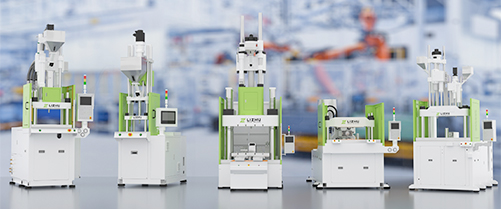
At present, we have various models of standard machines, skateboard machines, disc machines, and multi-color machines under 2000 tons.
View More
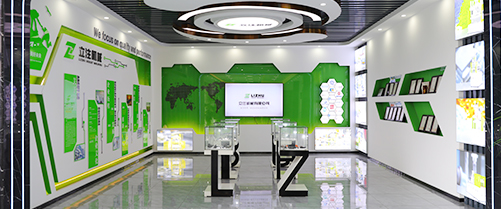
Check out the latest from the injection molding machine about the topics relevant to your industry and manufacturing process.
View More

Automotive Industry
Home / Solutions / Automotive Industry / LIZHU Vertical Injection Molding Machine Works with Automation for Improved Injection Molding Efficiency
 Home / Solutions / Automotive Industry / LIZHU Vertical Injection Molding Machine Works with Automation for Improved Injection Molding Efficiency
 -
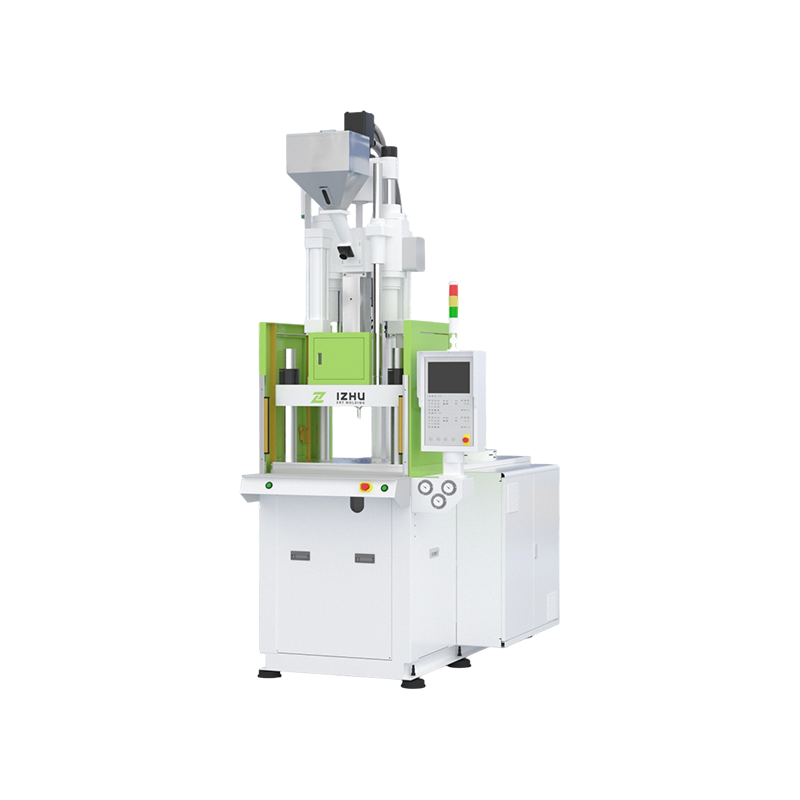
LIZHU Vertical Injection Molding Machine Works with Automation for Improved Injection Molding Efficiency
As injection molding manufacturers continue to pursue higher production efficiency, consistent product quality, and increased automation, traditional production processes that rely heavily on manual part removal and auxiliary operations face growing challenges in terms of efficiency and labor requirements.
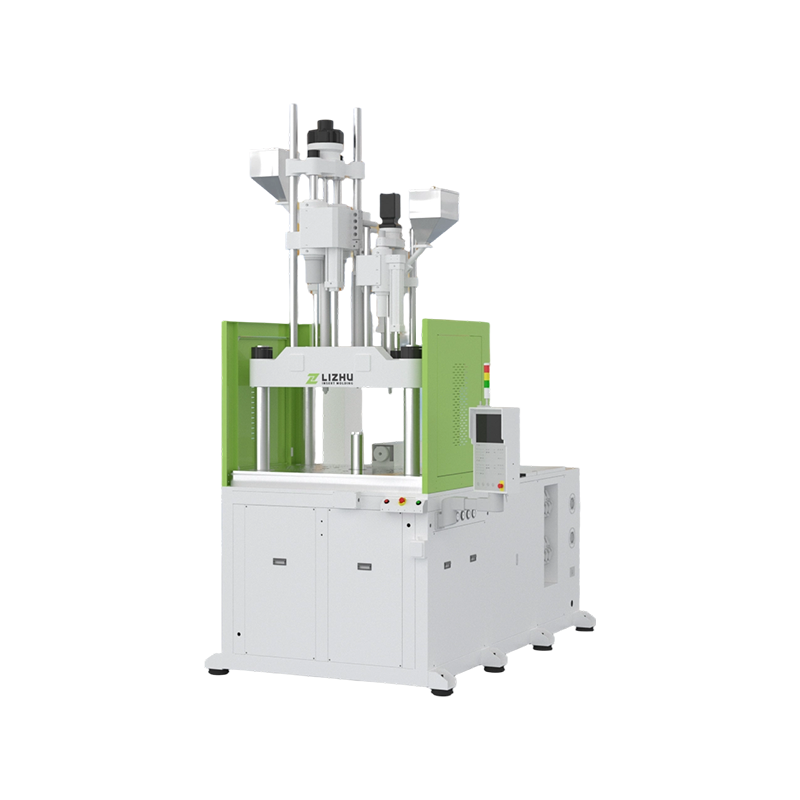
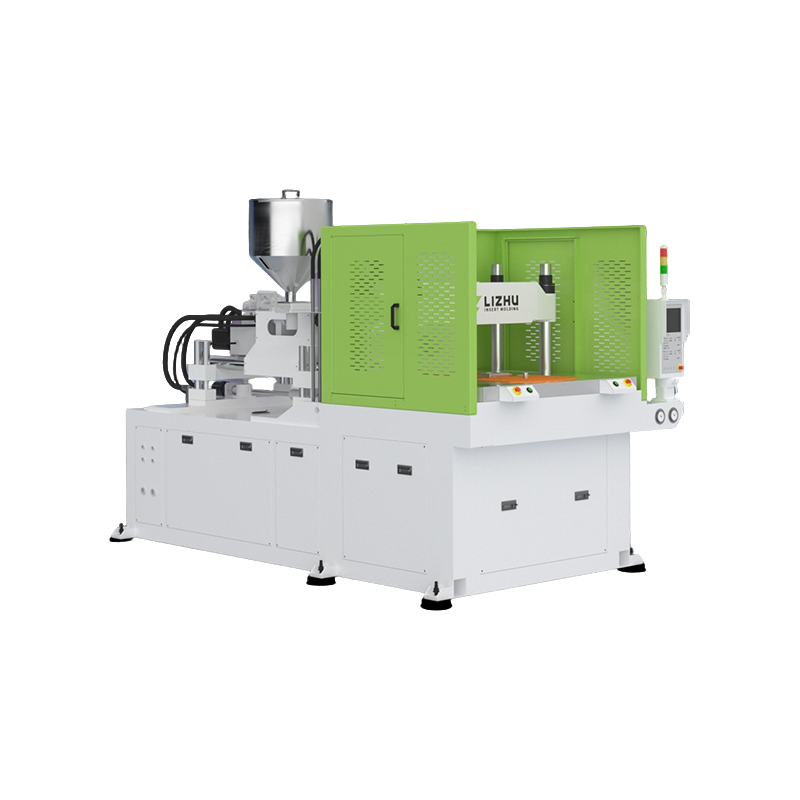
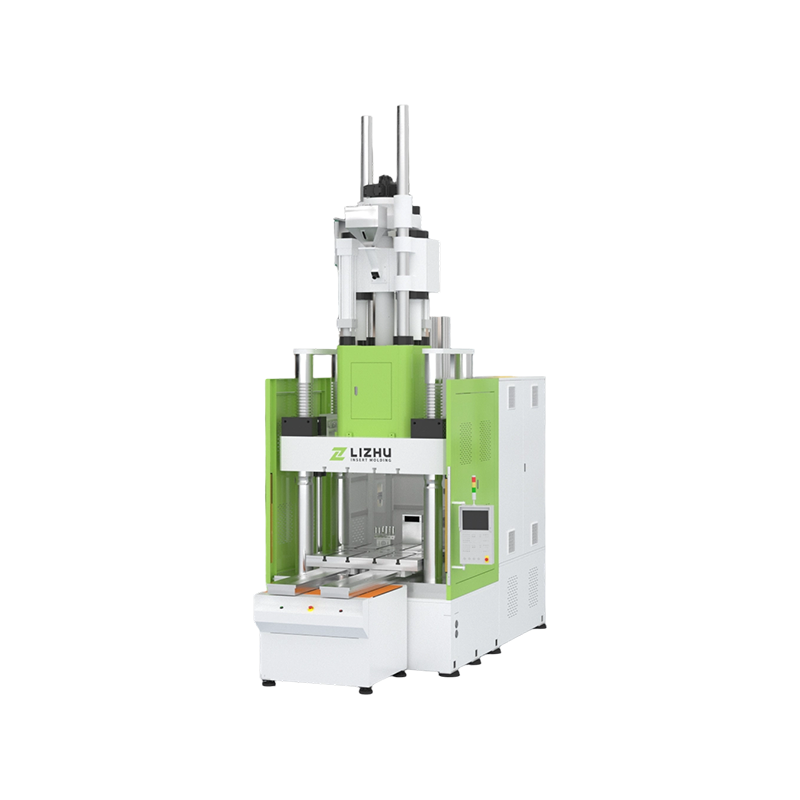
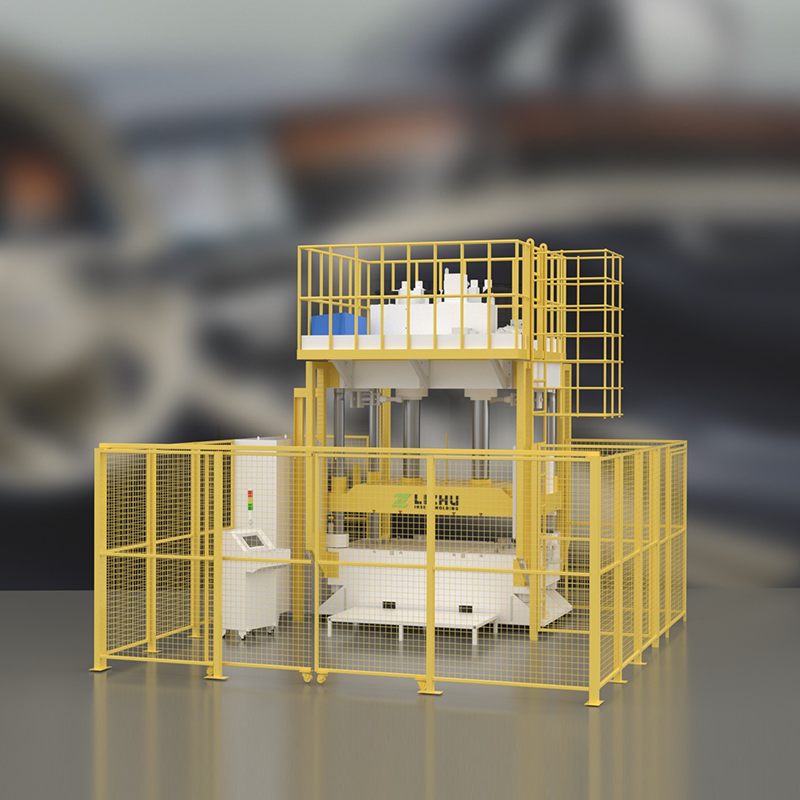
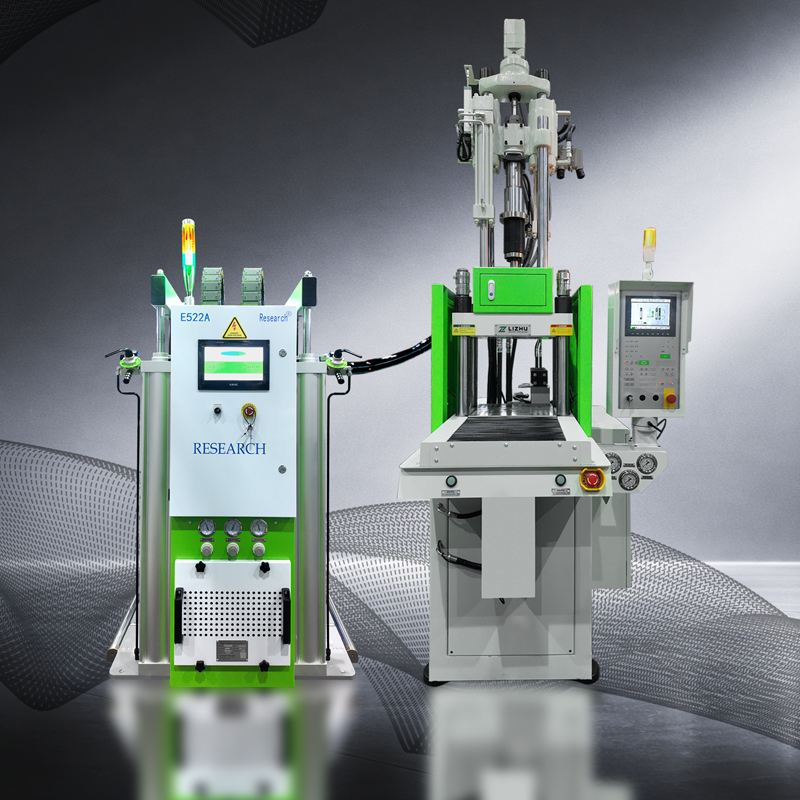
In this project, the LIZHU vertical injection molding machine works together with an automated robotic system to perform handling operations around the mold area. The combination of automated handling and vertical injection molding helps reduce repetitive manual operations and auxiliary time, supporting a more continuous and stable molding process.
Case Details
1. Vertical Configuration for Convenient Automated Operation
The vertical injection molding configuration provides an accessible mold working area, making it convenient for an automated robot to enter the designated position for handling operations. The robot can move between the mold area and the loading or unloading position according to the programmed sequence.
2. Robotic Coordination for Efficient Handling
As shown in the video, the robot performs repeated movements around the machine working area and coordinates with the mold for handling operations. Automating repetitive handling tasks helps reduce manual waiting and auxiliary operations, making the production process more continuous.
3. Stable Mold Closing for Reliable Molding
After the required handling operation is completed, the robot moves away from the mold area and the injection molding machine proceeds with mold closing. Stable mold movement and clamping provide a reliable foundation for the subsequent injection molding process and help maintain consistency between production cycles.
4. Automated Coordination for an Optimized Workflow
The vertical injection molding machine and robotic system operate according to a programmed sequence, coordinating handling, positioning, and mold operation. This cooperation helps reduce manual intervention and creates a more standardized production workflow.
5. Continuous Cycle for Improved Production Efficiency
After one molding cycle is completed, the robot can continue participating in the next handling operation, allowing the machine and automation system to maintain a continuous production rhythm. Reducing repetitive manual operations and auxiliary time can help improve overall equipment utilization and production efficiency.
6. Flexible Configuration for Automation Upgrades
According to different products, molds, and production cycle requirements, robot movements, handling positions, and injection molding parameters can be adjusted accordingly. The combination of a vertical injection molding machine and an automated robotic system provides a flexible foundation for future production-line upgrades and capacity expansion.
Customer Benefits
● Higher Production Efficiency: Automated handling reduces repetitive manual operations and auxiliary time.
● Stable Operation: The injection molding machine and robotic system operate according to a programmed sequence, supporting stable production.
● Convenient Operation: Automated handling reduces the need for frequent manual operations around the mold area.
● Continuous Production: Coordinated machine and robot operation helps maintain a consistent production rhythm and improve equipment utilization.
● Automation Upgrade: Robot operation and molding parameters can be adjusted according to different production requirements, supporting future automation upgrades.
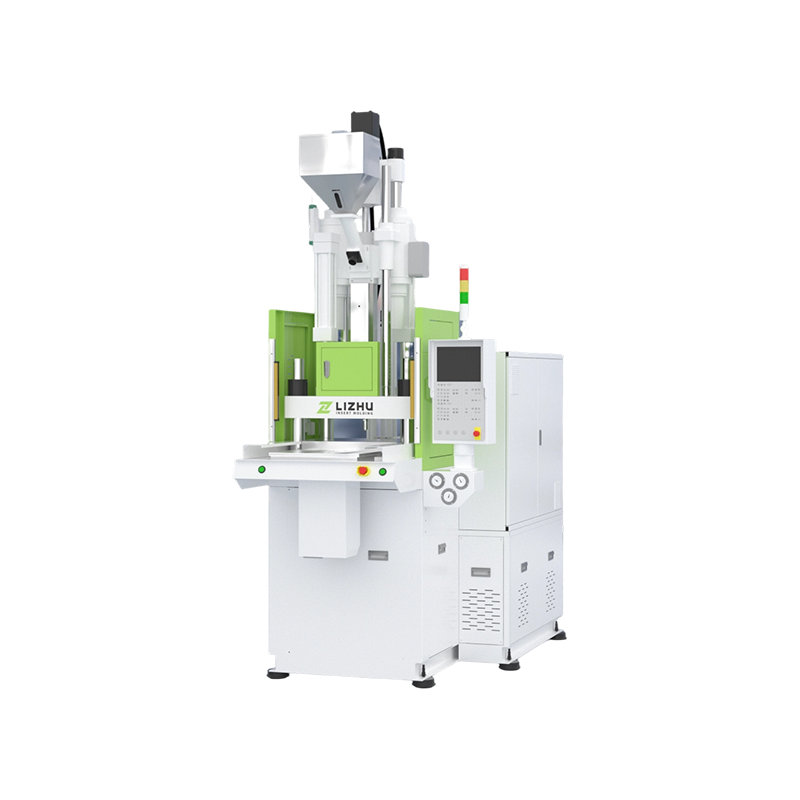
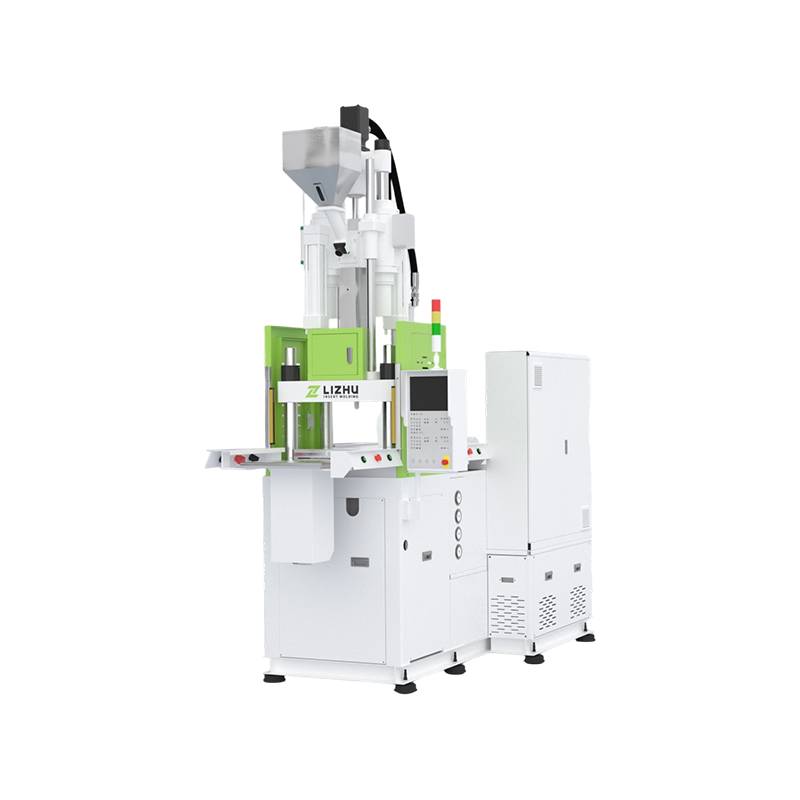
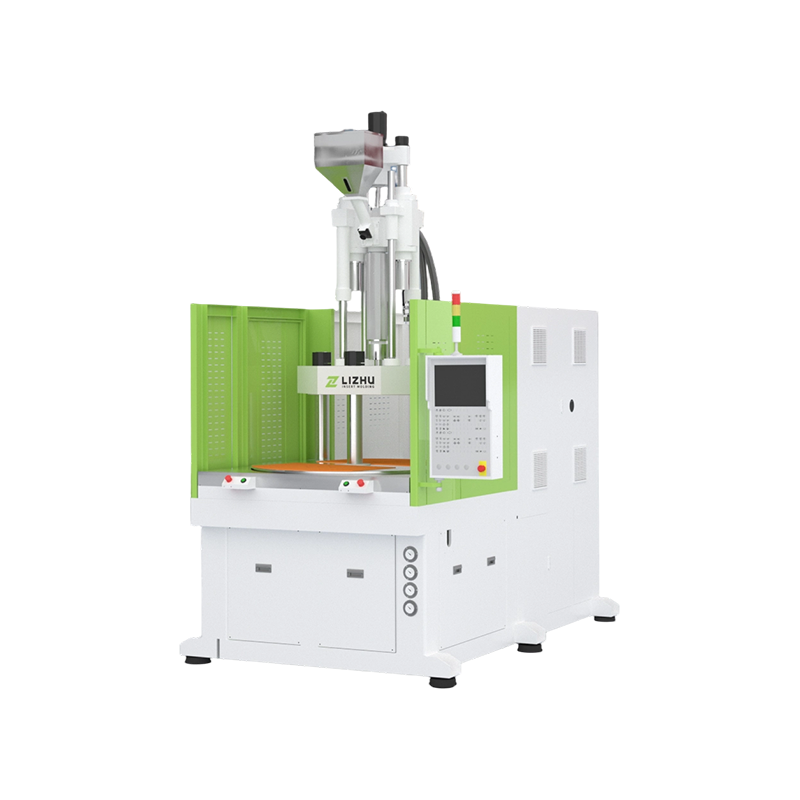
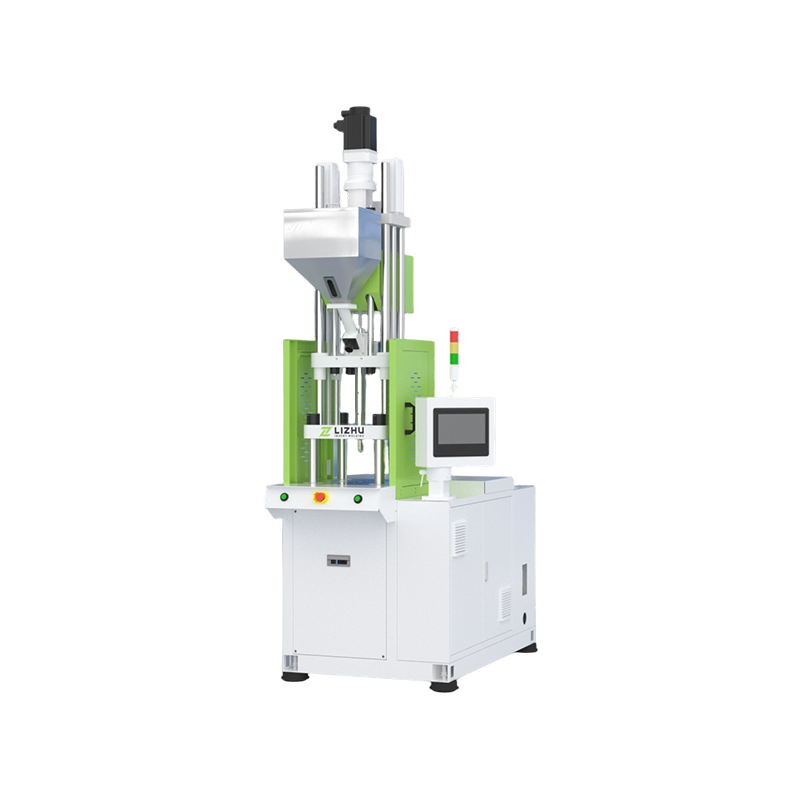
This project combines LIZHU's vertical injection molding technology with automated robotic handling to optimize the handling and molding workflow. By coordinating the machine and automation system, the solution reduces repetitive manual operations, improves production continuity and efficiency, and demonstrates LIZHU Machinery's capabilities in vertical injection molding, automated production, and efficient molding solutions.
Inquiry Us Now!


-
 +86-(0)512-6598 3406
 -
 +86-138 6210 7502
 -

-
 Zhaoyao Science and Technology Park, No. 573 Ruyuan Road, Chengyang Subdistrict, Xiangcheng District, Suzhou, Jiangsu Province, China
Copyright © 2025 Suzhou Lizhu Machinery Co., Ltd. All Rights Reserved.
China precision injection molding machine manufacturers custom precision injection molding machine supplier
